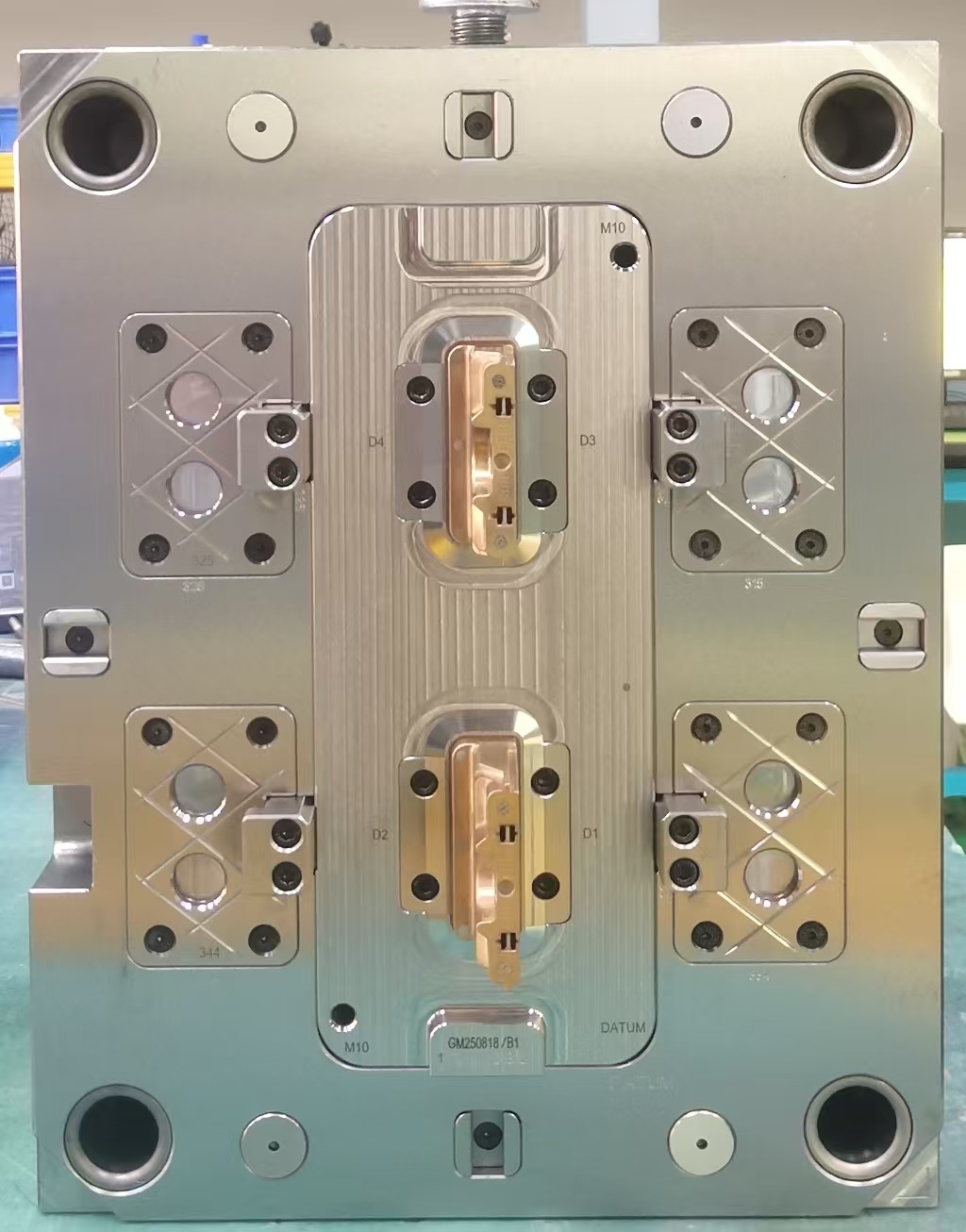
Precision Export Mold Tooling
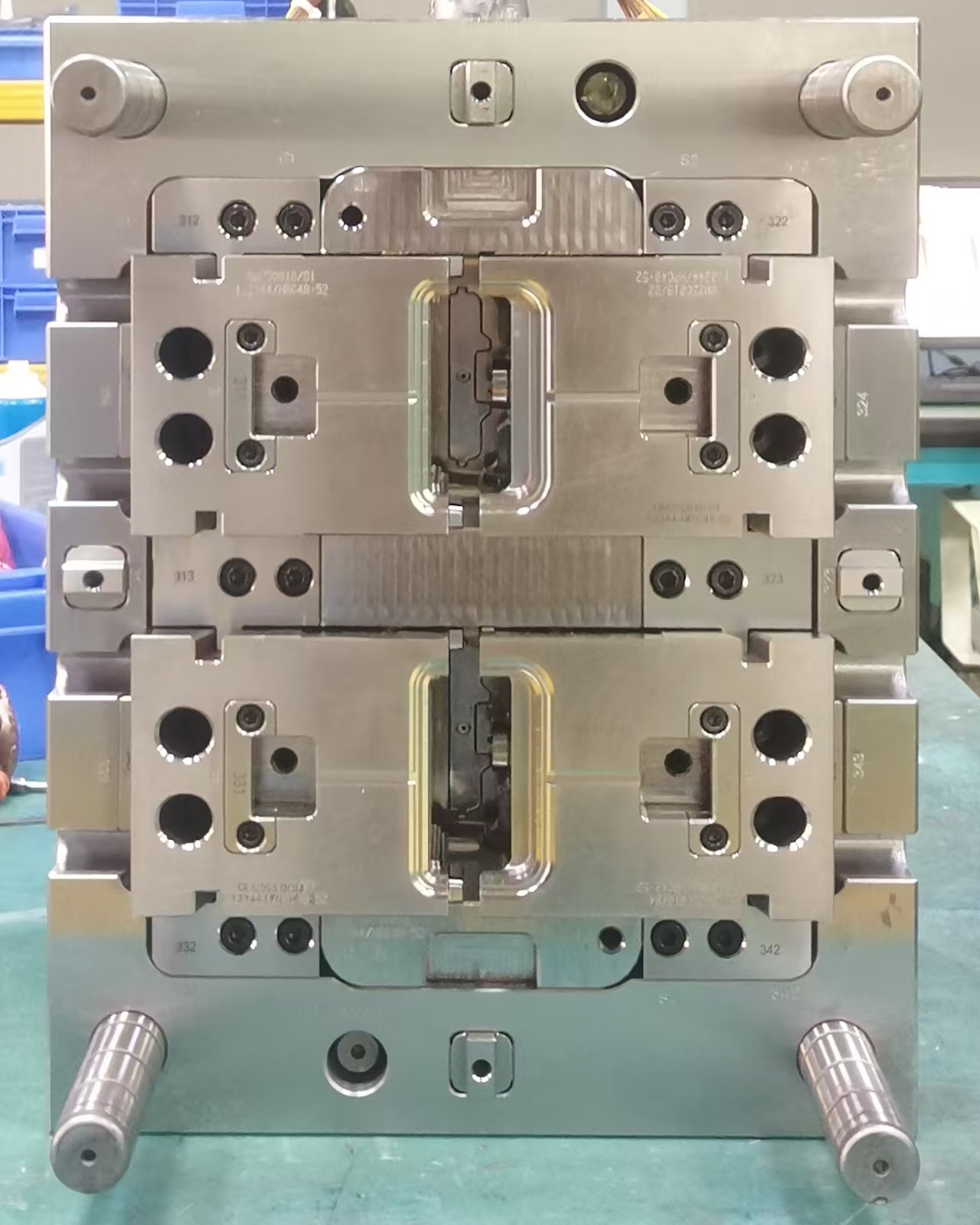 Key Factors Affecting Injection Mold Costs in China
The cost of injection molds in China is determined by a combination of technical, material, regional, and service-related factors, each of which has a distinct impact on the final pricing. The core influencing factors are as follows:
1. Mold Design and Complexity
This is one of the most critical factors affecting mold costs, with differences in structural complexity leading to significant price gaps:
- Geometry and Mechanisms: Basic single-cavity molds without sliders or undercuts are 30–50% cheaper than multi-cavity molds equipped with slides, lifters, or hot-runner systems. A hot-runner system alone can add \(5,000–\)20,000 to the total cost.
- Precision Requirements: Molds for high-precision applications (e.g., medical devices with ±0.001mm tolerance or micro-components) require advanced machining processes such as EDM (Electrical Discharge Machining) and 5-axis CNC, which can increase costs by 50–100% due to stricter quality control and processing techniques.
2. Material Selection and Surface Treatments
The choice of mold materials and post-processing treatments directly affects both upfront costs and long-term durability:
- Base Material Grade: Soft steel or aluminum (priced at \(2–\)5 per kg) is cost-effective for low-volume molds, while hardened tool steels (e.g., H13, S136 at \(8–\)15 per kg) for high-volume production can double the material cost.
- Surface Modifications: Electroplating (e.g., chrome plating for corrosion resistance) or PVD (Physical Vapor Deposition) coatings add \(2,000–\)8,000 to the mold price. Anti-corrosion treatments for cooling channels (required for SPI Class 101 molds) further increase expenses by 10–15%.
3. Regional Manufacturing Capabilities and Factory Types
Production location and factory qualification levels lead to notable cost disparities across China:
- Regional Differences: Molds produced in the Pearl River Delta (PRD) and Yangtze River Delta (YRD) regions (accounting for 40% of national mold output value) are 15–25% more expensive than those from inland areas like Chongqing or Chengdu. However, PRD/YRD manufacturers offer better quality control and shorter lead times (4–6 weeks vs. 8–12 weeks inland) due to concentrated supply chains and skilled labor.
- Factory Certification: Large OEM factories serving automotive or electronics giants charge premium prices for industry certifications (e.g., ISO 9001, IATF 16949), while small workshops provide lower-cost options but with limited quality guarantees.
4. Production Volume Requirements and After-Sales Services
Mold lifespan expectations and additional service agreements influence cost structures:
- Lifetime Cycle Rating: Molds rated for 1 million+ cycles (SPI Class 101) require thicker steel sections and wear-resistant components, raising upfront costs but reducing long-term per-unit production expenses. Low-cycle prototype molds (≤500 cycles) use epoxy or cast iron and cost as little as $500 for simple designs.
- Maintenance and Warranty: Extended warranties (1–3 years) or on-site maintenance services add 5–10% to the mold price but minimize downtime for mass-production projects, improving overall operational efficiency.