


Case Studies

Home Case Studies Unscrew Mold Tooling

Unscrew Mold Tooling

October 9, 2016
unscrew molded part

unscrew molded part

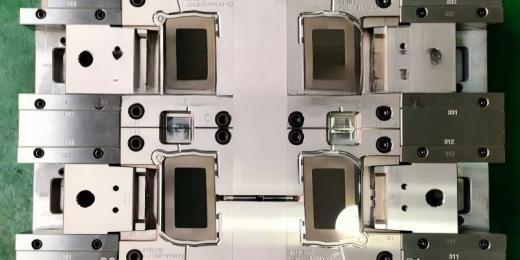
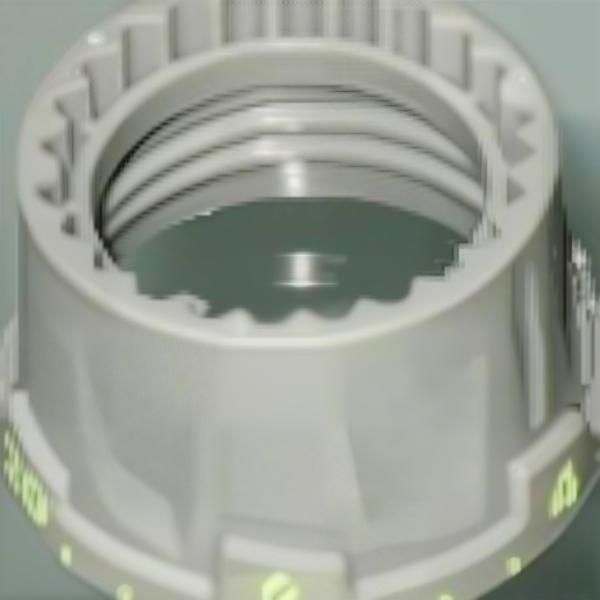
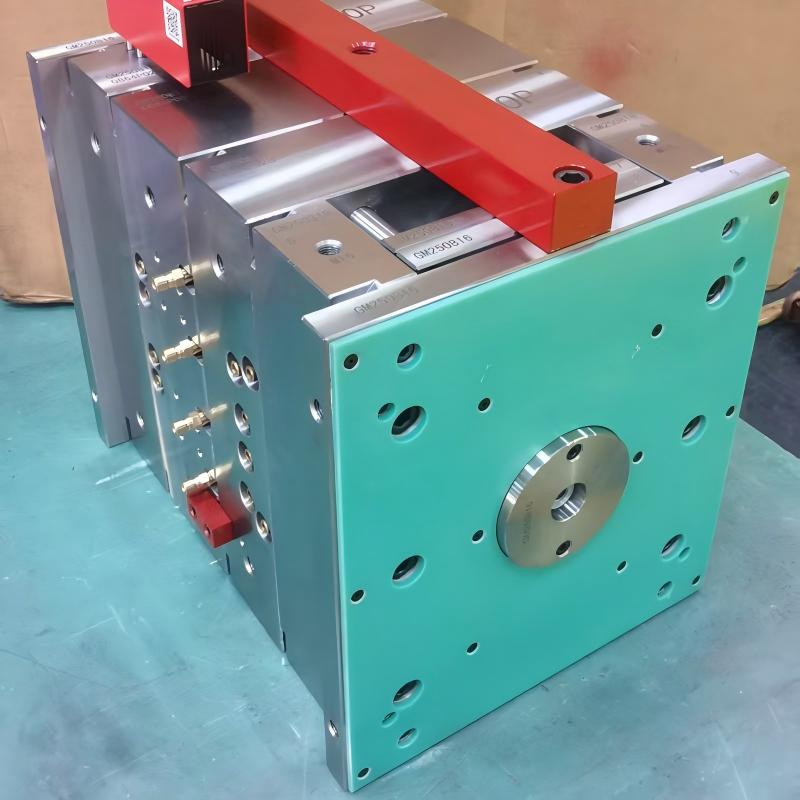
Unscrew mold tooling is a specialized injection molding solution for producing threaded plastic parts (e.g., bottle caps, medical vials, automotive fasteners), relying on rotational core movements to release threaded components without damaging the helical structures. Unlike standard molds with straight-pull ejection, it uses mechanical, hydraulic, or motor-driven rotation to unscrew the part from the threaded core, making it indispensable for high-precision threaded products.

1. Core Design Principles of Unscrew Mold Tooling

The design of unscrew mold tooling focuses on threaded core structureactuation mechanism, and part retention, with the following key steps and considerations:

  1. Product & Thread Analysis
    • Confirm thread specifications (pitch, lead, handedness, and thread count) and calculate the required unscrewing stroke (total stroke/pitch + 0.5 extra teeth to ensure full release).
    • Evaluate undercut features and part geometry to determine if the part stays on the moving mold half (preferred for simplicity) or requires cavity-side ejection.
  2. Selection of Actuation Mechanism
    • Mechanical (rack-pinion): Ideal for small-to-medium parts; uses gear-rack systems driven by mold opening/closing motion for core rotation, with a recommended gear ratio of 1:2.5 or higher to reduce cylinder load.
    • Hydraulic: Suited for large parts or long threads; offers adjustable rotation speed and torque, commonly used for big-diameter threaded caps (e.g., 149mm diameter components).
    • Motor-driven: Provides precise rotation control for high-precision medical parts or micro-threads.
  3. Core & Cavity Optimization
    • Add keying features (rectangular/triangular ribs) on the part’s base to resist rotation during unscrewing; the main face against unscrewing should be straight, and the trailing face tilted for easy ejection.
    • Incorporate draft angles (1°–3° for most plastics) on the core and cavity to reduce friction during unscrewing and prevent part sticking.
  4. Cooling & Ejection System Design
    • Design cooling channels around the threaded core to ensure uniform cooling and avoid warpage; for large parts, use 3-point gating to balance material flow.
    • Install stripper plates or ejector pins to push the part out after unscrewing; ensure ejector pin clearance (0.05–0.08mm) to prevent jamming or leakage.

2. Common Defects & Prevention Measures

Defects in unscrew mold tooling mainly stem from improper rotation controlthreaded core wear, or uneven cooling. Below are typical issues and solutions:
Defect Type Causes Prevention & Solutions
Thread Damage/Deformation – Insufficient keying leads to part rotation with the core

– Excessive unscrewing speed or uneven core movement

– Plastic shrinkage onto the core

– Add anti-rotation keys on the part/mold

– Adjust rotation speed (50–150rpm for most plastics)

– Optimize cooling to reduce shrinkage mismatch

Part Sticking to Core/Cavity – No draft angles or rough core surface

– Cooling imbalance causes uneven shrinkage

– Polish the threaded core to Ra0.4 or smoother

– Add 1°–3° draft angles and ensure symmetric cooling channels

Guide Post Damage/Bending – Lateral offset force from uneven wall thickness or asymmetric part design

– Poor guide post alignment

– Install 4 high-strength positioning keys on the parting surface

– Machine guide post holes in one clamping to ensure concentricity

Gate Breakage/Sticking – Rough gate taper hole (Ra > 0.4)

– No gate ejection mechanism

– Use standard gate bushings and grind taper holes to Ra0.4

– Add gate pull rods or ejector pins for gate removal

Core Jamming – Excessive friction between core and mold plate

– Thermal expansion of the core

– Lubricate the core with high-temperature grease

– Reserve 0.2mm clearance on non-contact core sections to accommodate expansion

3. Key Tips for Defect Prevention

  1. Prioritize Part Design Simplification: Minimize complex undercuts or multi-start threads unless necessary to reduce mold complexity.
  2. Material Matching: Use hardened steel (HRC 52–58) for the threaded core (e.g., S136 or H13) to resist wear, especially for abrasive plastics like glass-filled PA.
  3. Test & Calibrate: Conduct trial runs to adjust unscrewing speed and stroke; check for thread burrs or deformation and tweak cooling or ejection timing as needed.
CATEGORY AND TAGS:
Case Studies

Related Posts

  • Featured Services

     Optical Lens Molds  

    2K / Two-Shot Injection Molds  

    High Precision Electronic Molds  

    DFM & Mold Flow Analysis   

    Rapid Prototyping 

  • Global Contact Info
    • Office Address: 1st Floor of Building Two ,ChuangYe Industrial Park of ShaPuWei ,SongGang Town,BaoAn District; ShenZhen ,China ;Post code: 518100

    • Direct Call: +86-13530516428

    • Email: sales@gptmold.com

    • Working Hours: Mon – Sat, 8:00 AM – 6:00 PM (GMT+8)

  • Trust & Compliance