


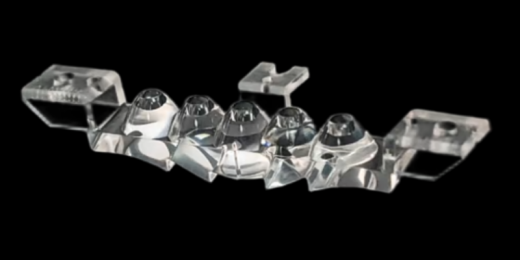
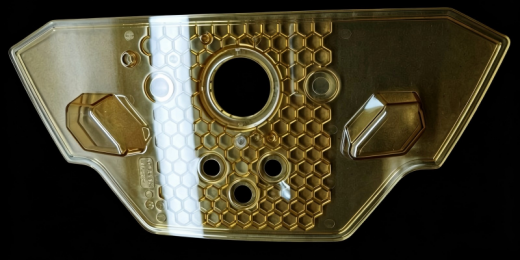
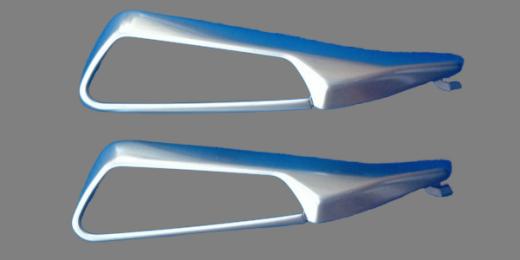

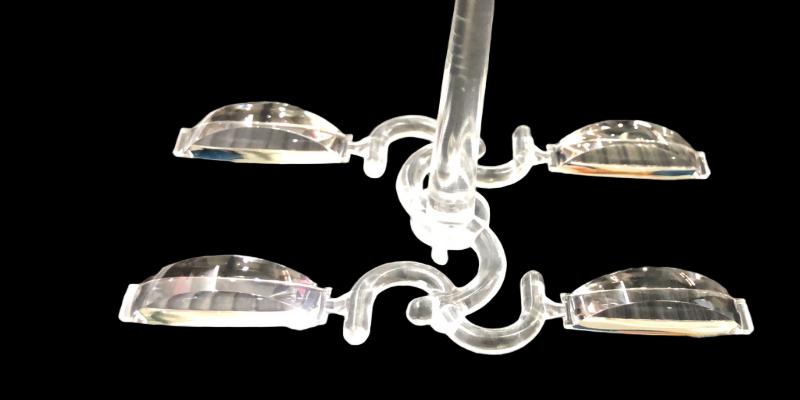
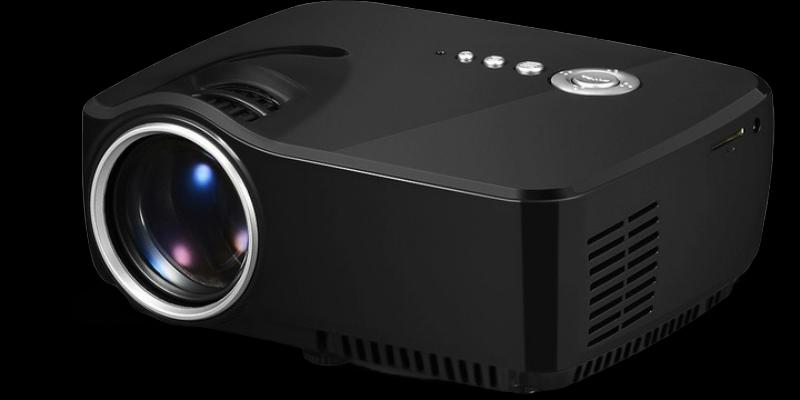
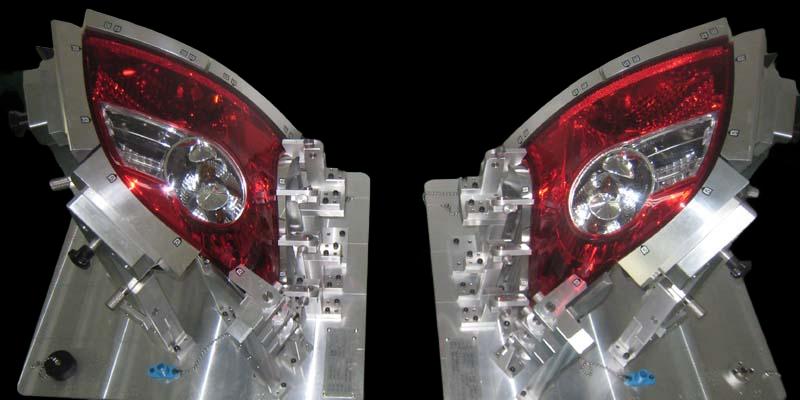
Lighting and optical parts
Mark transparent regions, light-facing surfaces and assembly datums. Provide optical and cosmetic criteria, including how the finished samples will be reviewed.
AUTOMOTIVE COMPONENT TOOLING
GPTMOLD develops custom injection molds for automotive applications, with related expertise in optical tooling and automotive lighting. A useful project discussion brings the part model, material, appearance and assembly requirements together. Use the related automotive guidance to prepare your enquiry, then share the requirements for your own component.
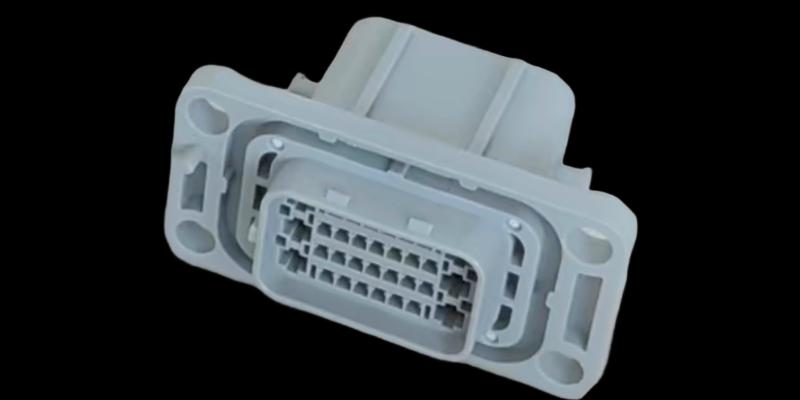
The tooling brief should explain where the part sits in the vehicle assembly and which features determine acceptance. Identify the surfaces that will be seen, the dimensions that control fit and the checks required before the next project stage.
Discuss Your ProjectMark transparent regions, light-facing surfaces and assembly datums. Provide optical and cosmetic criteria, including how the finished samples will be reviewed.
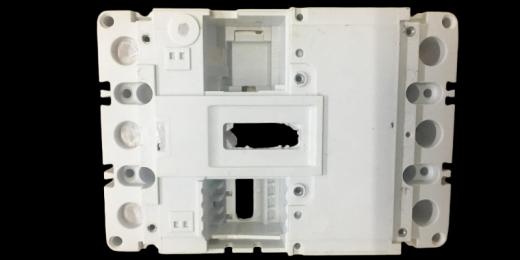
Identify appearance zones, mating features, ribs and locating surfaces. Discuss draft, gate positions, parting lines and release direction using the current design.
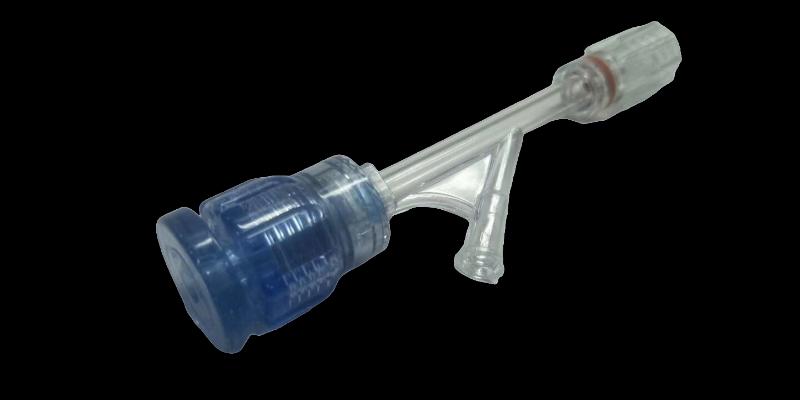
Describe the function of each region and the intended interface. Review the molding sequence and assembly needs before selecting a two-shot or overmolding route.
Explore the existing records below, then use your current part requirements to discuss the next project.
Start with DFM analysis to clarify geometry and tooling questions. Record decisions about wall transitions, draft, gates and other design details before agreeing the mold design. Where filling, venting or cooling questions need further investigation, discuss the appropriate analysis scope. Next, define trial objectives and sample acceptance criteria. Review dimensions, fit, appearance and specified functional checks against that brief. Record approved results and any changes needed, then agree the inspection and handover information for the next stage. The mold validation guide provides related planning topics.