



Automotive tooling
Automotive Molds
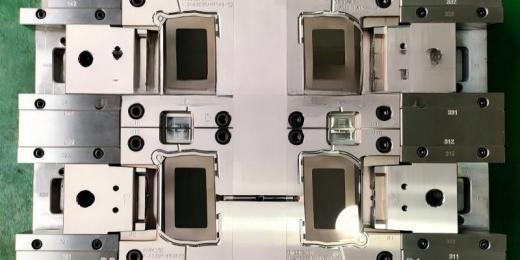
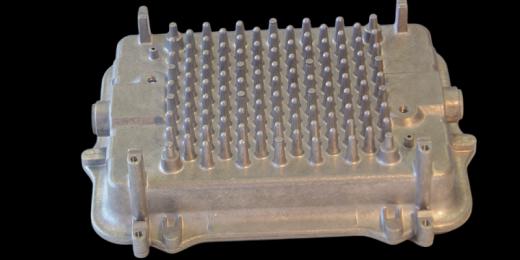
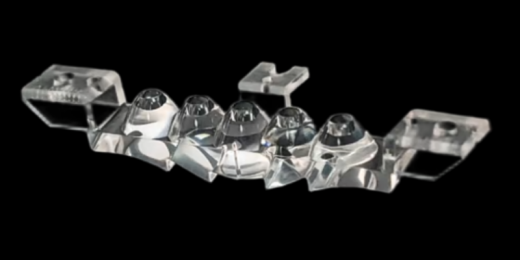
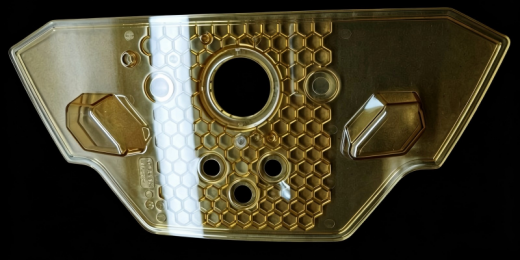
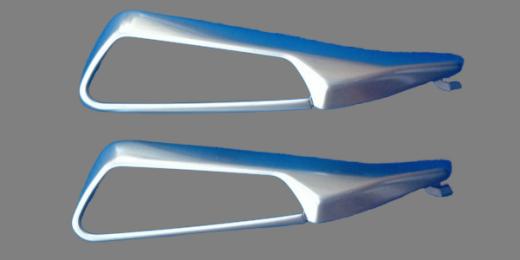
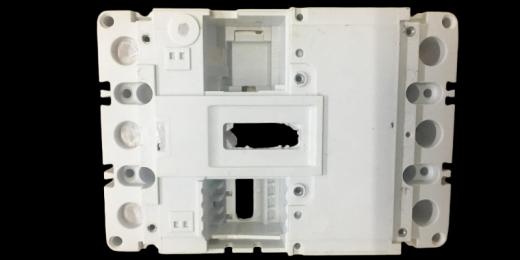
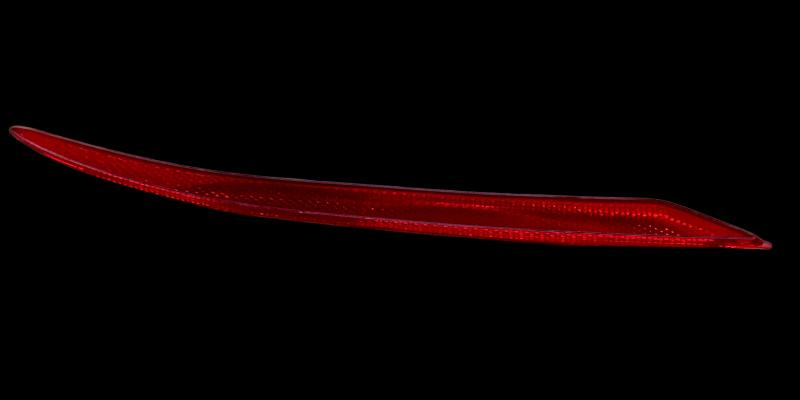
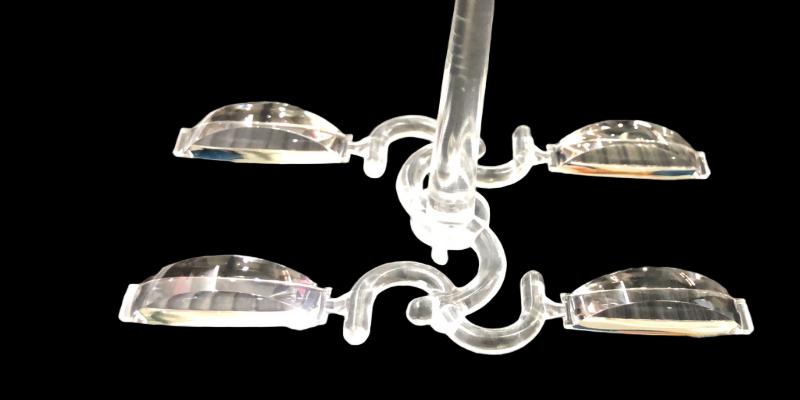
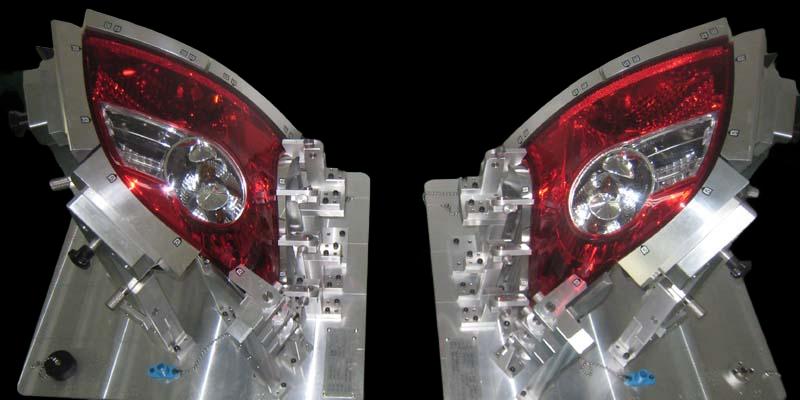
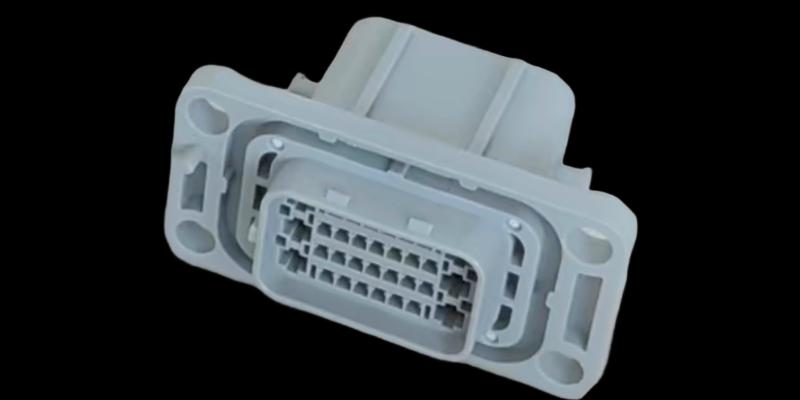
Bring part geometry, appearance and assembly requirements into one tooling discussion. GPTMOLD develops custom injection molds for automotive applications, with related expertise in optical tooling and automotive lighting.
Start with the part and its function
The tooling route should follow the application, material and acceptance criteria. These are useful starting points for an automotive mold review.
Lighting and optical parts
Identify light-facing surfaces, transparent areas and assembly datums. Review the optical and cosmetic criteria alongside the mold design and trial plan.
Visible and functional parts
Mark visible surfaces, mating features and critical dimensions. Discuss gate and parting-line locations, draft and the inspection evidence needed for approval.
Multi-material requirements
Where a design combines colors or materials, review the interfaces, molding sequence and assembly needs before choosing a two-shot or overmolding approach.
What to include in your enquiry
- 2D drawings and 3D CAD data, including the current revision
- Part application, mating components and critical dimensions
- Target resin grade, finish, color and visible surfaces
- Expected production volume and project timing
- Customer-specific inspection, trial and handover requirements
From DFM to sample review
Begin with DFM analysis to clarify manufacturability questions and design decisions before tool construction.
Agree the mold design, trial objectives and sample acceptance criteria. Review the resulting parts for fit, dimensions, appearance and any specified functional checks before the next project stage.
Related tooling and engineering
Related reading
Plan the tooling around your automotive part
Send the part model and the requirements that matter to your application. GPTMOLD can review the information and discuss the tooling scope and next engineering step.