






Consumer electronics
Consumer Electronics Molds
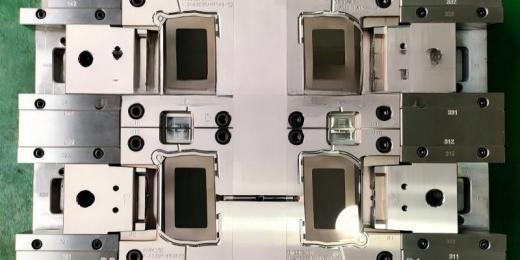
Connect the look, fit and function of an electronic product with its tooling requirements. Start with the housing, internal component or transparent part, then define the material, surface and assembly criteria.
Make appearance and assembly requirements clear
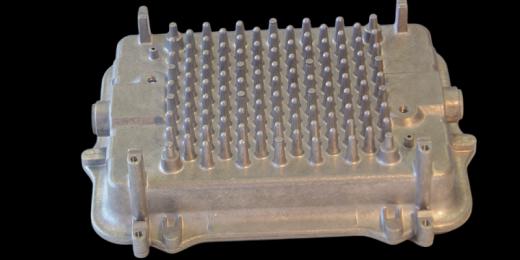
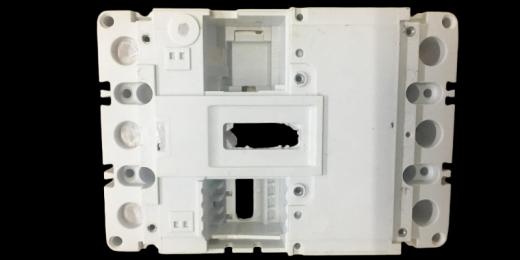
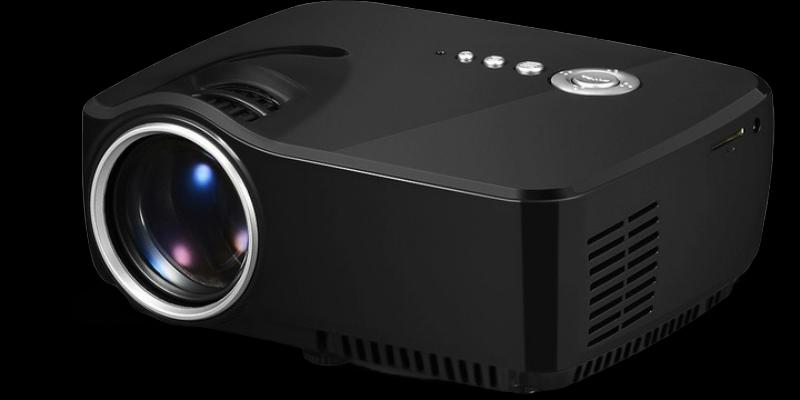
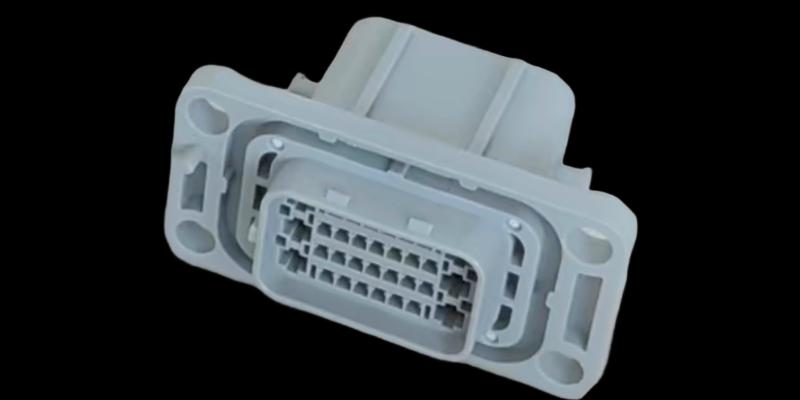
GPTMOLD’s published electronics scope includes external housings and internal components. A useful mold brief identifies what the part must do and which features control the finished product.
Housings and visible surfaces
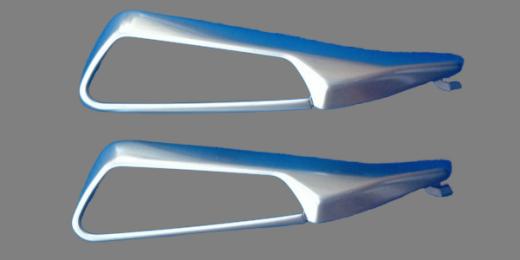
Identify cosmetic zones, texture or gloss targets, parting lines and acceptable gate locations. Include mating parts so the tooling review can address the intended assembly.
Internal and mating features
Highlight connectors, ribs, bosses, clips and other geometry that controls fit. Define critical dimensions and how these features will be measured or checked.
Transparent or multi-material parts
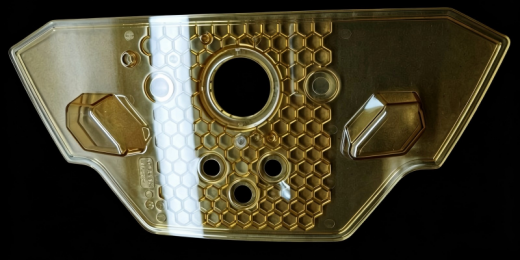
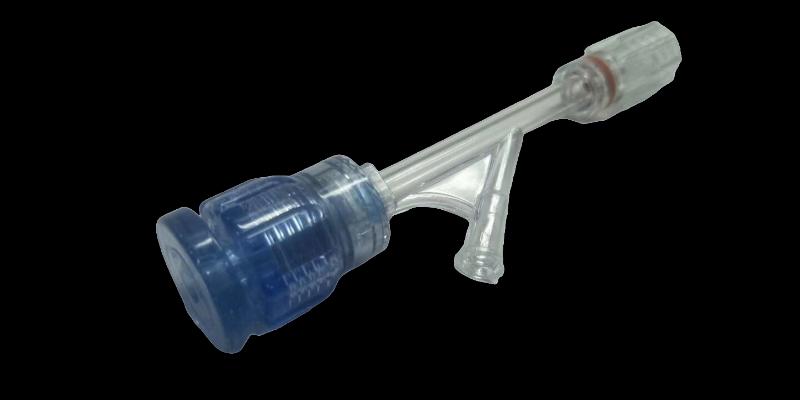
For optical windows or parts combining materials or colors, specify the function of each region and the interface requirements. Review the appropriate tooling route with the actual CAD data.
Prepare a useful project brief
- 2D drawing and 3D model with revision information
- Product application and the mating-part or assembly context
- Material grade, color and surface-finish requirements
- Critical dimensions, cosmetic limits and functional checks
- Expected volume and the required sample-review stage
Review before tool construction
Use DFM analysis to review wall transitions, draft, gates and other tooling questions against the design.
Set trial and inspection objectives before samples are produced. Assess dimensions, appearance and assembly against the agreed criteria, then record the changes or approvals needed for the next stage.
Related tooling and engineering
Share the component, not just the product name
Send your CAD data, material target and key appearance or assembly requirements so the team can discuss the mold approach for your electronics project.