


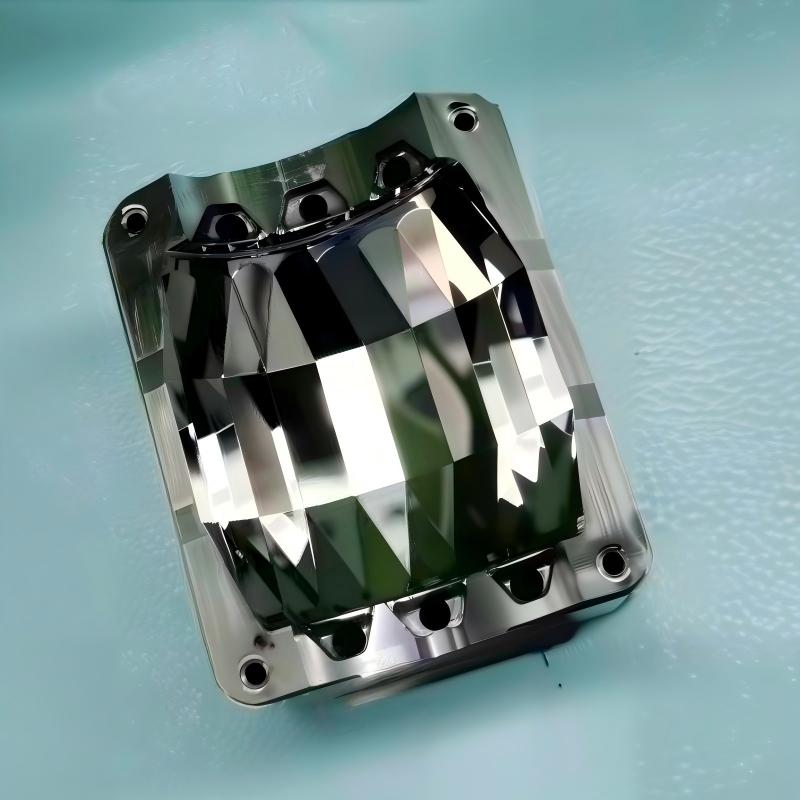
Optical injection molding
Custom Optical Molding for Transparent Plastic Parts
Connect optical part requirements with mold design, material selection, molding trials and project-specific inspection.
Project flow
From optical brief to molded samples
The engineering path depends on the part geometry, resin and defined optical requirements.
- 01
Define performance
Share the drawing, CAD data and the optical, appearance, dimensional and assembly requirements that will be used for acceptance.
- 02
Review manufacturability
Discuss resin, wall geometry, gate location, visible surfaces and tooling questions through DFM analysis.
- 03
Prepare and trial the mold
Develop the tooling approach, evaluate trial parts and identify any issues that need a design or processing decision.
- 04
Review molded parts
Inspect the agreed characteristics and discuss revisions or the next production stage with the customer.
Project-specific controls
What shapes an optical molding plan
These topics are reviewed against the actual application. No generic transparency claim can replace a defined acceptance standard.
Material and part geometry
Resins such as PC and PMMA are used in optical projects; the suitable grade depends on function, environment and customer requirements.
Optical and visible surfaces
Identify the surfaces where clarity, texture, light distribution or appearance need special attention.
Mold and flow behavior
Review gates, venting, wall transitions and cooling where they may influence the finished component.
Inspection and approval
Agree which samples, measurements or functional tests will support the customer’s decision.
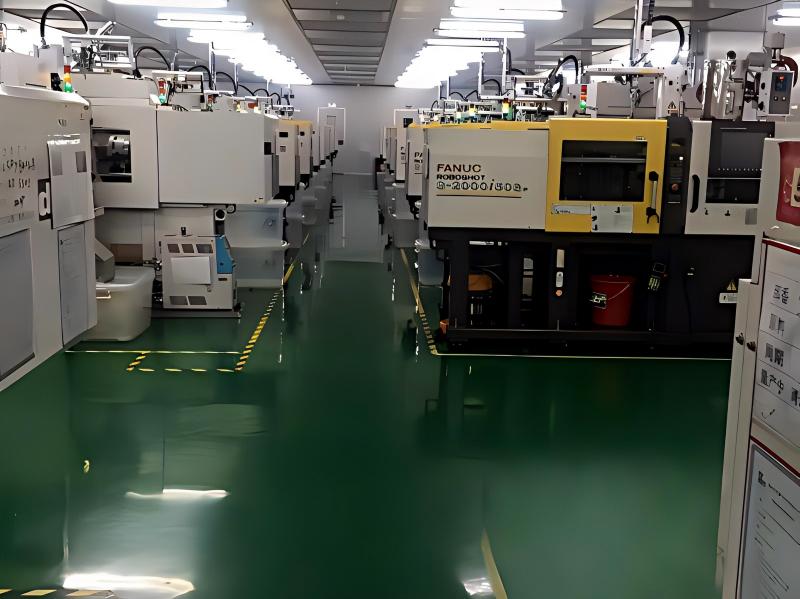
Tooling and molding
Mold design and molded-part needs belong in one discussion.
This page focuses on making transparent plastic components. For the tool itself, see our optical mold page.
Depending on the design, the discussion may also involve mold flow analysis and trial-part inspection.
For a useful first review
Include these details with your enquiry
Where a specification is still open, state the target and the question that needs engineering review.
- 2D drawing and 3D model
- Optical function and application
- Resin grade or material target
- Critical and visible surfaces
- Expected annual volume
- Inspection and approval criteria
Frequently asked questions
How is optical molding different from optical mold making?
Optical mold making concerns the tool. Optical molding concerns the molded component and the process used to produce it. The two should be reviewed together.
Which transparent material should I specify?
Material selection depends on the part’s optical, mechanical and environmental requirements. Share any preferred grade or performance target for review.
Can I request molded samples?
Share the tooling status, CAD data and acceptance criteria so GPTMOLD can discuss trial or sample options for the project.
Send the optical requirements that matter.
Share the part model, resin target, expected volume and optical or cosmetic criteria. GPTMOLD can review the information and discuss a practical next step.