



Engineering And Tooling
Design engineers review the part drawing, material and functional requirements with the customer. After the tooling approach is agreed, the tooling team connects the approved design with machining, fitting and mold assembly.


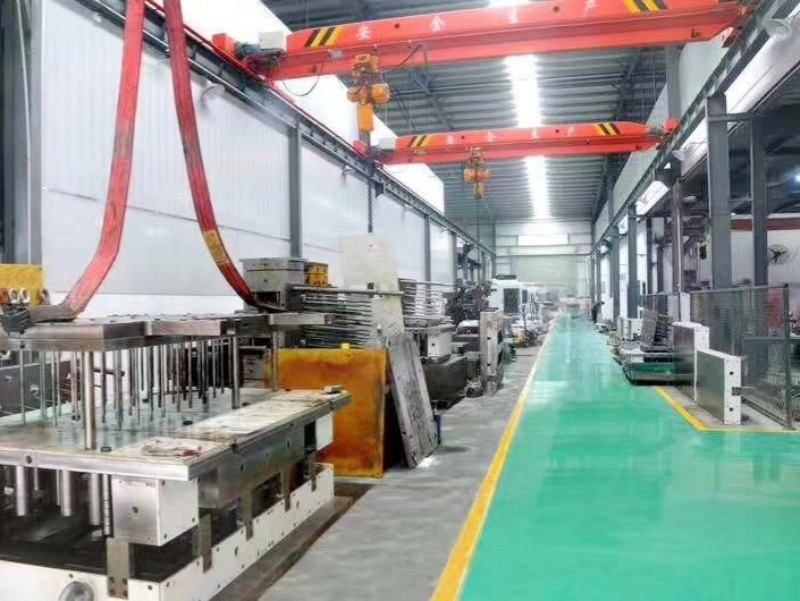
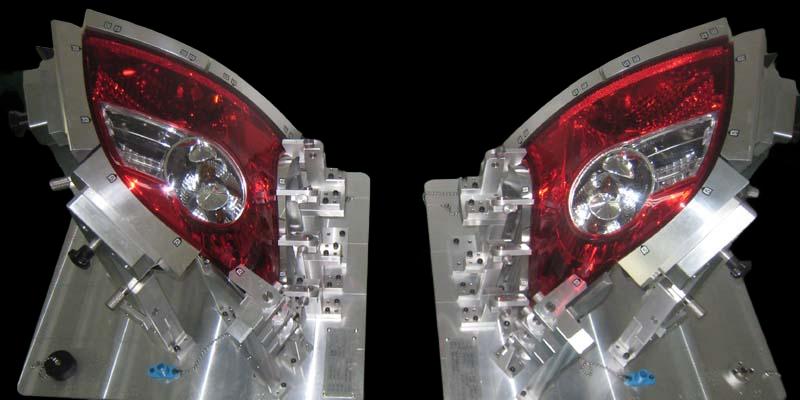
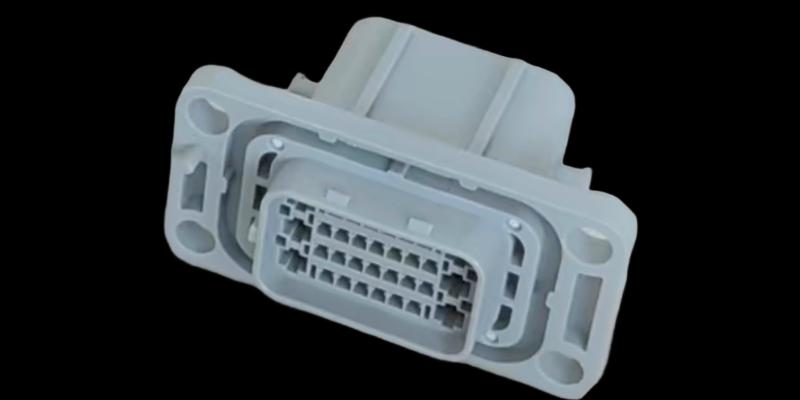
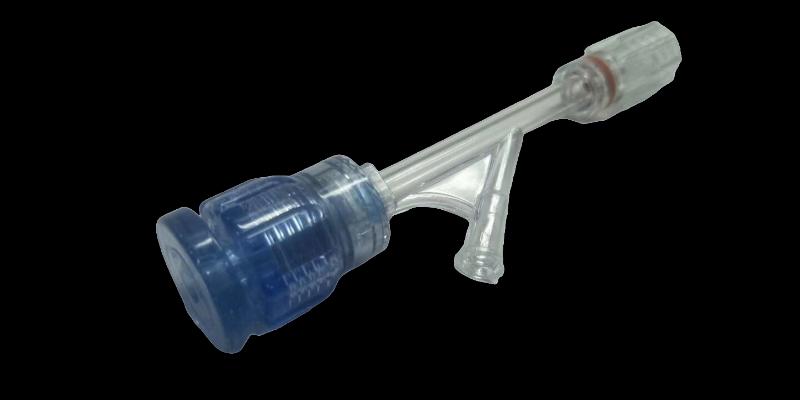
GPTMOLD is a Shenzhen-based manufacturer of custom injection molds for plastic components. We support projects in automotive lighting, consumer electronics, optics and industrial applications, connecting mold design and manufacturing with trial sampling and inspection.
Precision optical lens molds and inserts are a particular strength within our broader tooling work. Our scope also includes two-shot molds, overmolding and other custom molds. Each project starts with the part drawing, material, geometry, surface and functional requirements.
From DFM review through tool construction and sample evaluation, we keep engineering questions and inspection criteria tied to the agreed brief. That gives customers a practical basis for discussing changes, reviewing trial parts and confirming approval or handover.
Design engineers review the part drawing, material and functional requirements with the customer. After the tooling approach is agreed, the tooling team connects the approved design with machining, fitting and mold assembly.
The team reviews mold trials and sample parts against agreed dimensions, appearance and functional criteria. Inspection findings and required adjustments are recorded before the next review or approval.
Project engineers keep drawing revisions, open questions, trial feedback and customer decisions connected. Clear handovers help each team work from the same requirements through design review, validation and final handover.
Material and component choices are reviewed against the part drawing and project specification.
Choose an application to explore published pages and articles. Where a dedicated case is unavailable, related technical pages are labeled clearly.

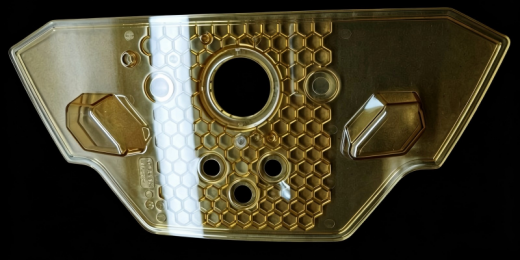
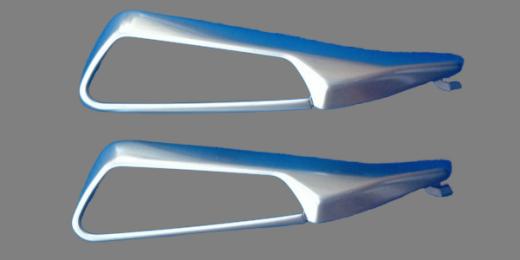
Explore published tooling pages with automotive part examples, including multi-material molding and plating-ready components.

Review related molding and design methods for component geometry, material combinations and tooling decisions.
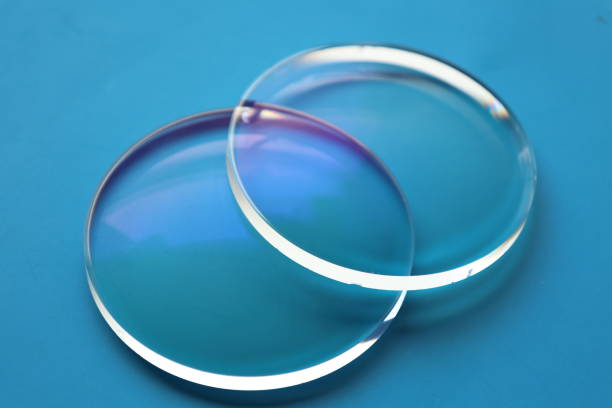
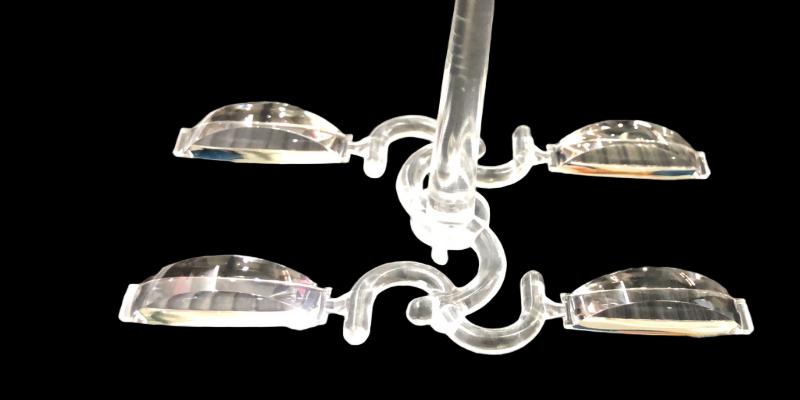
Explore lens mold design, surface requirements and inspection questions in published optical pages and technical reading.

These published technical pages cover silicone tooling and sample validation. They are related capabilities, not medical case studies.

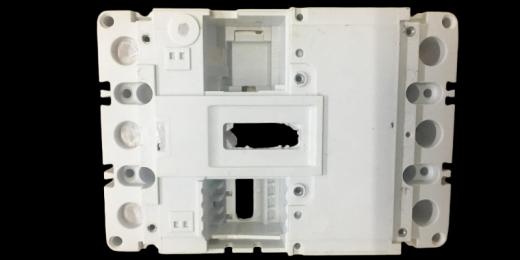
Explore published SMC/BMC and gas-assist methods. These pages explain processes rather than completed industrial case studies.

Explore published LSR molding and silicone overmolding pages for flexible components, seals and multi-material parts.
Explore published information on compression molds for sheet and bulk molding compounds, with related checks for trial parts.

Review mold design for plastic parts that will receive a plated finish, plus a published automotive component example.
Prototyping, mold design, optical tooling, die casting, plating molds, SMC/BMC molds, and pilot production.