



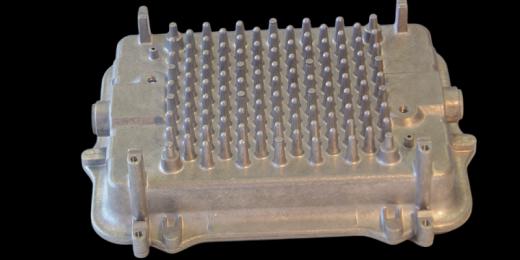

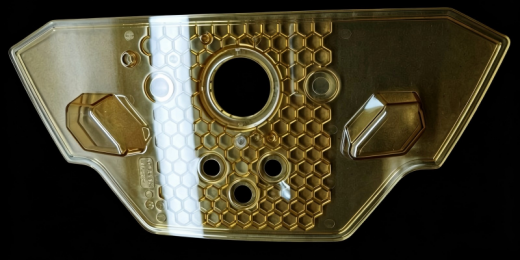
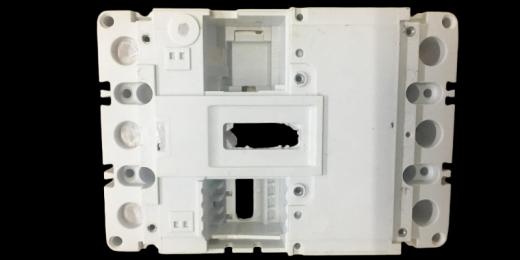




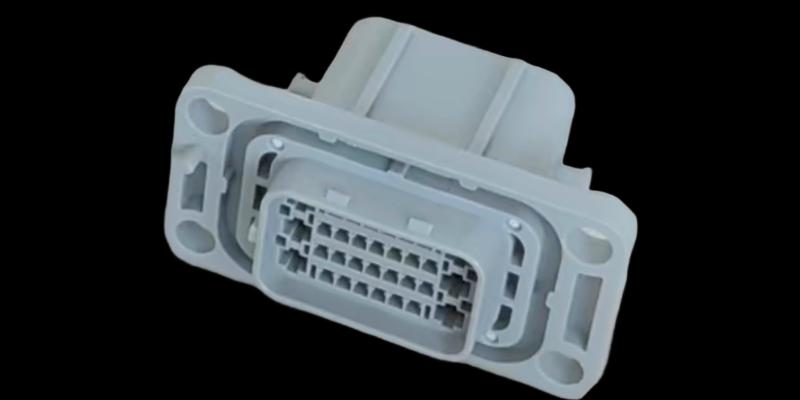

Plastic parts for plating
Identify the plating-grade resin, visible surfaces and finishing process. Review gate positions, weld-line risks and sink-prone areas against the final appearance requirements.
Tooling and surface treatment
A plating enquiry may concern a plastic part intended for a metallic finish, a treated mold cavity, or both. Define the surface being treated so GPTMOLD can review the appropriate tooling scope.
For plated plastic components, review the substrate, appearance and finished dimensions. For mold-surface treatments, specify the base material, treated areas and required coating.
Discuss Plating-Related Tooling
Identify the plating-grade resin, visible surfaces and finishing process. Review gate positions, weld-line risks and sink-prone areas against the final appearance requirements.
For hard chrome, nickel or other specified mold-surface treatments, provide the steel or insert material, coating specification, treatment boundaries and required final dimensions.
Agree plating thickness allowances, masking, cosmetic limits and relevant adhesion or corrosion tests. Assign responsibility for molding, finishing, testing and approval before work starts.
Electroforming and specialist coating requests need a separate scope review. A mold finish alone does not establish the performance of the finished plated part.
View the existing plated-plastic component gallery and tooling topics.
Connect visible trim surfaces with fit and assembly requirements.
Review housing details, cosmetic areas and component interfaces.
Use these engineering guides to prepare the brief and agree the review scope for your project.