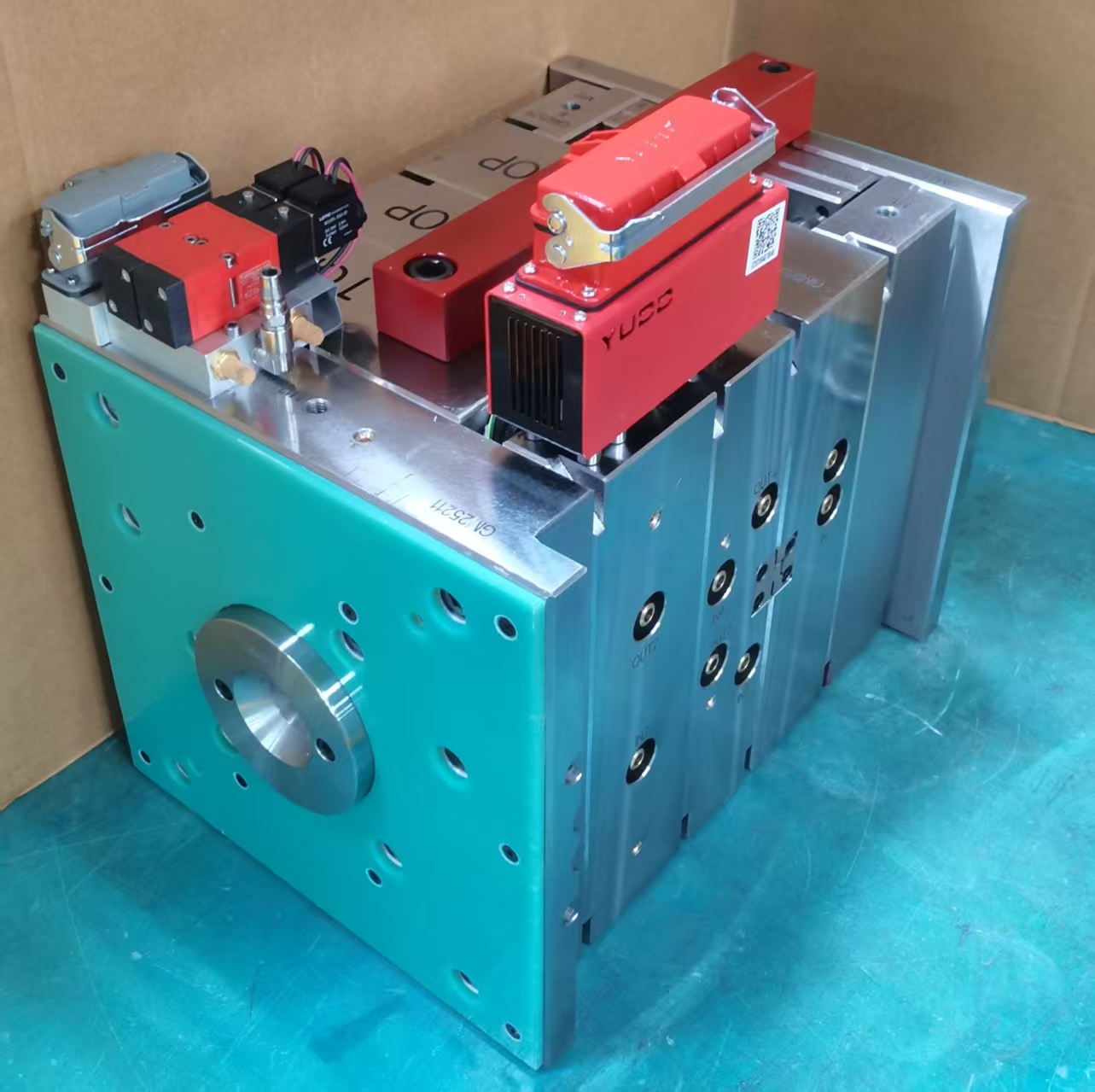
Precision Export Mold Tooling
Стоимость инжекционных форм в Китае: Подробный разбор
The cost of injection molds in China varies dramatically based on mold complexity, качество материала, требования к точности, объем производства, и региональные производственные возможности. По мере того как индустрия форм в Китае продолжает расширяться (с прогнозируемым размером национального рынка свыше 400 миллиардов юаней 2025, growing at over 8% annually), it offers a wide price spectrum for domestic and international buyers, ranging from low-cost prototype molds to high-precision mass-production tools.
1. Core Price Ranges by Mold Type
1.1 Prototype & Low-Volume Molds (Класс SPI 105-104, 000 cycles)
- Price Range: 500–10,000 per mold
- Подробности:
- Prototype molds (≤500 cycles) use cost-effective materials like epoxy, cast iron, or aluminum, with prices starting as low as $500 for simple designs.
- Low-volume molds (10,000–100,000 cycles) typically adopt soft steel or aluminum, costing 2,000–10,000 for small-to-medium parts (например, consumer electronics casings, small plastic components).
- Suitable for product testing, small-batch customization, or short-life-cycle items.
1.2 Medium-Volume Molds (Класс SPI 103, 00,000 cycles)
- Price Range: 10,000–30,000 per mold
- Подробности:
- Made of medium-hard steel (min. 165 BHN for mold bases, 280 BHN for cavities/cores), these molds balance durability and cost.
- Common applications include household appliance parts, auto interior components, and industrial accessories with moderate precision demands.
- Multi-cavity designs (2–4 cavities) may push costs to the upper end of the range.
1.3 High-Volume & Precision Molds (Класс SPI 102-101, ≥500,000 cycles)
- Price Range: 30,000–200,000+ per mold
- Подробности:
- Класс SPI 102 (≤1,000,000 cycles): 30,000–80,000, using hardened tool steel (min. 48 Rc for molding surfaces) and suitable for abrasive materials (например, glass-filled plastics) or close-tolerance auto parts.
- Класс SPI 101 (≥1,000,000 cycles): 80,000–200,000+ for complex designs (например, medical devices, automotive engine components) with features like guided ejection systems, corrosion-resistant cooling channels, and parting line locks. Ultra-precision molds for aerospace or microelectronics can exceed $500,000 for large or multi-functional tools.
2. Key Factors Driving Cost Variations
2.1 Mold Design & Сложность
- Simple vs. Complex Geometries: Basic single-cavity molds with no sliders or undercuts cost 30–50% less than multi-cavity molds with slides, lifters, or hot-runner systems (hot runners alone add 5,000–20,000 to the total cost).
- Precision Requirements: Molds for medical devices (±0.001mm tolerance) or micro-components demand advanced machining (например, ЭДМ,, 5-axis CNC) and quality control, increasing costs by 50–100%.
2.2 Выбор материала
- Mold Base Materials: Soft steel/aluminum (2–5 per kg) vs. hardened tool steel (например, H13, S136 at 8–15 per kg) can double the material cost for high-volume molds.
- Surface Treatments: Electroplating (например, chrome plating for corrosion resistance) or PVD coatings add 2,000–8,000, while anti-corrosion cooling channel treatments (common in SPI Class 101 molds) increase expenses by 10–15%.
2.3 Regional Manufacturing Costs
- Pearl River Delta (PRD) & Yangtze River Delta (YRD): These regions (accounting for 40% of China’s mold output value) have concentrated supply chains and skilled labor, but costs are 15–25% higher than inland areas (например, Chongqing, Chengdu). However, PRD/YRD molds offer better quality control and faster lead times (4–6 weeks vs. 8–12 weeks inland).
- OEM vs. Custom Factories: Large OEM factories (serving automotive/electronics giants) charge premium prices for certification (например, ISO 9001, IATF 16949), while small workshops offer lower costs but limited quality guarantees.
2.4 Production Volume & After-Sales Services
- Mold Lifetime: Molds rated for 1 million+ cycles require thicker steel sections and wear-resistant components, raising upfront costs but lowering long-term per-unit production expenses.
- Maintenance & Warranty: Extended warranties (1–3 years) or on-site maintenance services add 5–10% to the mold price but reduce downtime for mass production.
3. Cost Comparison with Global Markets
China’s injection mold costs are typically 30–60% lower than those in North America or Europe for equivalent quality. For example:
- A 50,000 high-volume mold in China would cost 80,000–$100,000 in the U.S. due to higher labor and material expenses.
- Even precision medical molds in China are 20–30% cheaper than in Germany or Japan, though top-tier European molds may offer tighter tolerances for ultra-high-end applications.