



Design for Manufacturability
Injection Mold DFM Analysis
Review part geometry and tooling risks before mold design starts.

Decisions to settle before tooling
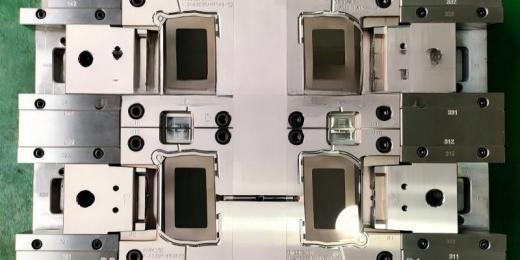
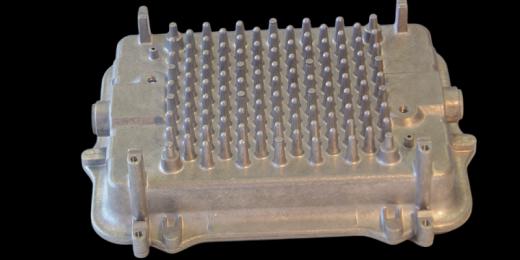
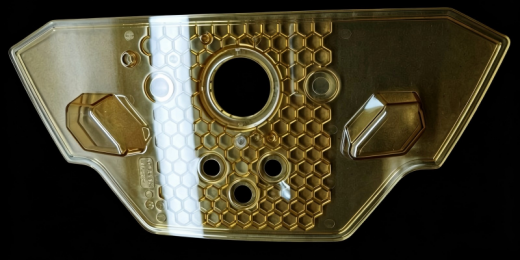
A DFM review connects part requirements with practical mold design. The review can identify questions about the parting line, Anschnittposition, Gefälle, moving mechanisms and ejection before the design is approved.
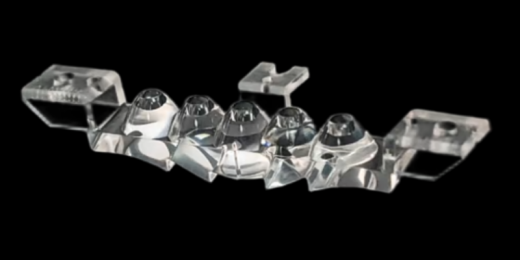
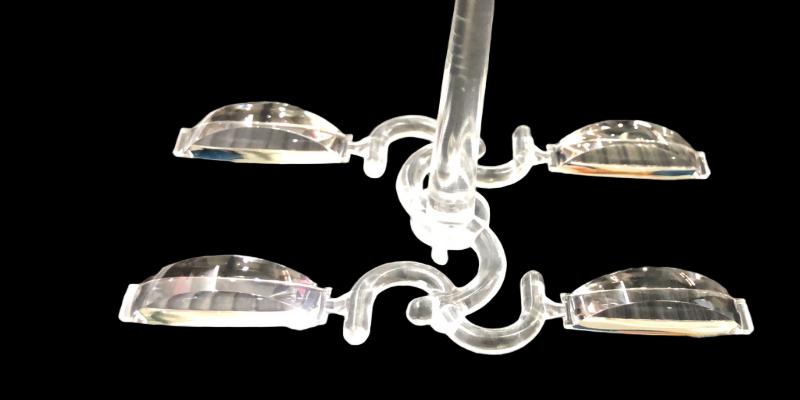
Recommendations depend on the supplied CAD data, resin and quality requirements. For projects such as optische Linsenformen, gate position and surface requirements may need closer attention. The customer reviews the proposed direction before formal mold design proceeds.
What the DFM review covers
Six practical decisions shape the discussion between part design and tooling.
Part geometry
Parting line
Consider how the mold halves meet while protecting function and visible surfaces.
Draft
Review wall inclination for part release and potential surface damage.
Part design changes
Identify geometry adjustments that could improve manufacturability without compromising requirements.
Mold action
Gate position
Discuss how material enters the cavity and where flow behavior needs further study.
Sliders and mechanisms
Assess proposed solutions for undercuts and other complex features.
Ejection method
Evaluate removal options against part geometry and material needs.
Use analysis to guide the next decision
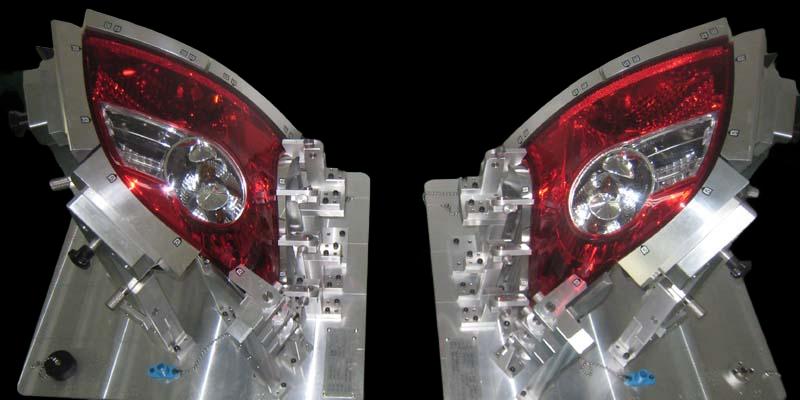
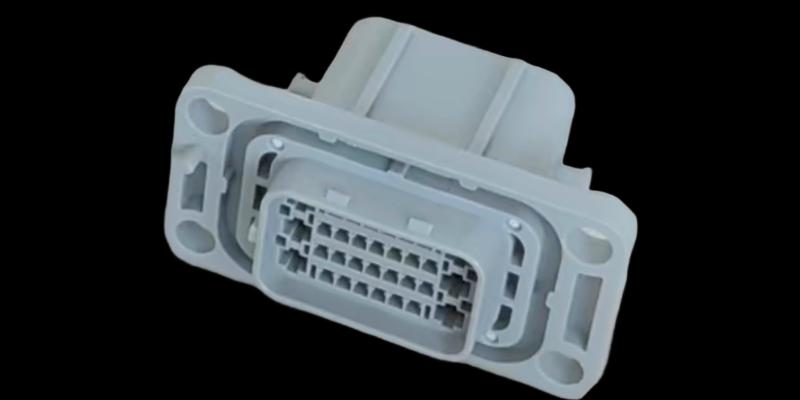
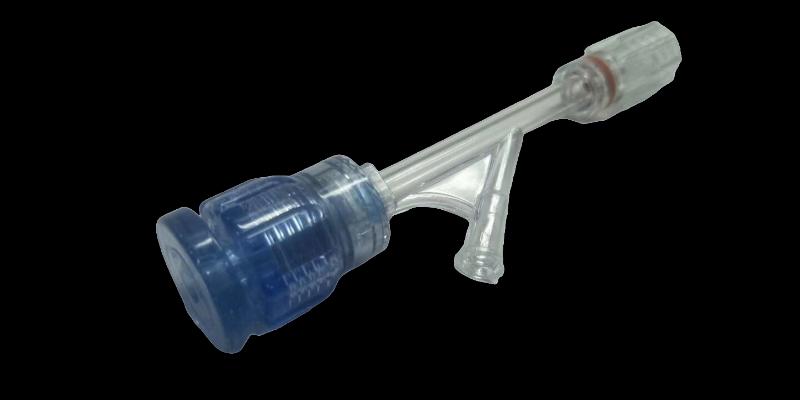
Published GPTMOLD visuals show related mold design and flow studies. Where flow behavior is a concern, the DFM discussion can connect to mold flow analysis. Project-specific review scope depends on the part data and requirements.
Mold design views
Examples of 3D tooling design from the GPTMOLD media library.


Mold flow studies
Related flow examples for two different molded parts.


From part data to an agreed direction
The review creates a checkpoint before formal mold design.
-
Share the part
Provide the 3D part file, Harz, expected volume and key quality requirements.
-
Review tooling questions
The engineering team assesses the proposed part and mold approach against manufacturing constraints.
-
Confirm next steps
Discuss the DFM report, resolve open questions and agree on the design direction.
Have a part ready for review?
Send your model and the requirements that matter most to your project. GPTMOLD can review the information and discuss the next engineering step.