




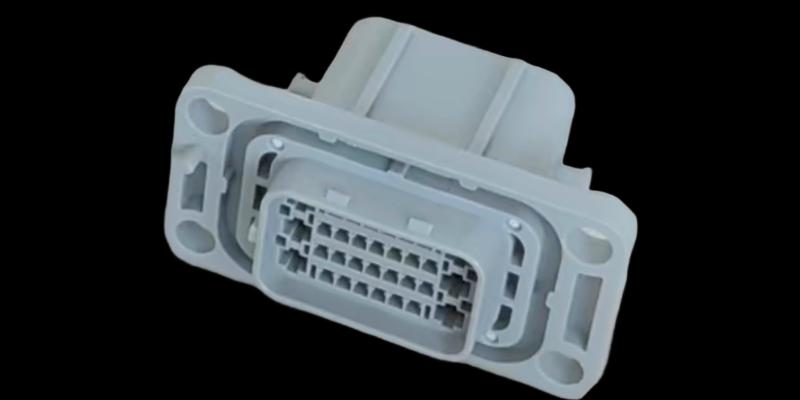
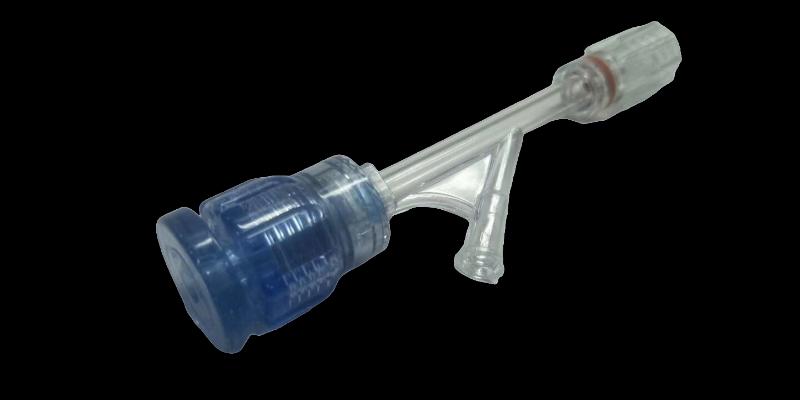
Requirement baseline
Collect the part model, Zeichnungsrevision, Harz, expected volume and acceptance requirements.
Keep the approved drawing, open issues and next decision clear from initial review through trial and handover.
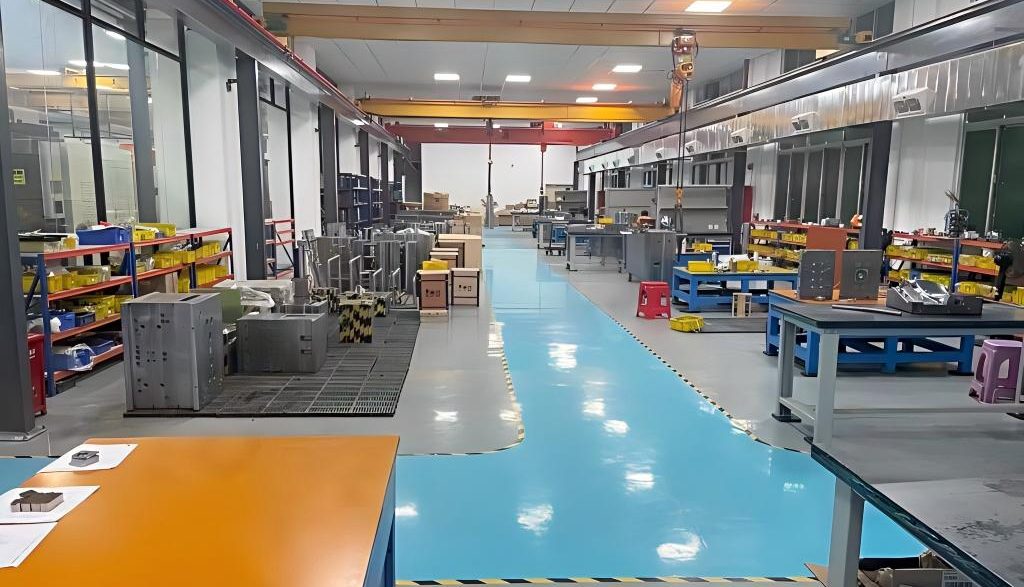
Buyers need to know what is agreed, what remains open and which version of a drawing controls the next activity.
Collect the part model, Zeichnungsrevision, Harz, expected volume and acceptance requirements.
Make DFM questions, design changes and customer decisions visible to the project team.
Set clear checkpoints for design approval, mold trial, sample evaluation and handover.
Associate sample results, inspection records and final approvals with the relevant revision.
These checkpoints are more useful than an unexplained percentage-complete figure.
Keep the latest approved revision and change history visible.
Name the owner, question and information needed to close it.
Link sample observations and reports to the agreed acceptance criteria.
Confirm the approved status and project-specific deliverables.
Commercial timing and technical acceptance affect each other. A revision or trial finding should be discussed in terms of scope, next action and approval before the plan is updated.
A clear change record helps both teams understand the impact of a decision.
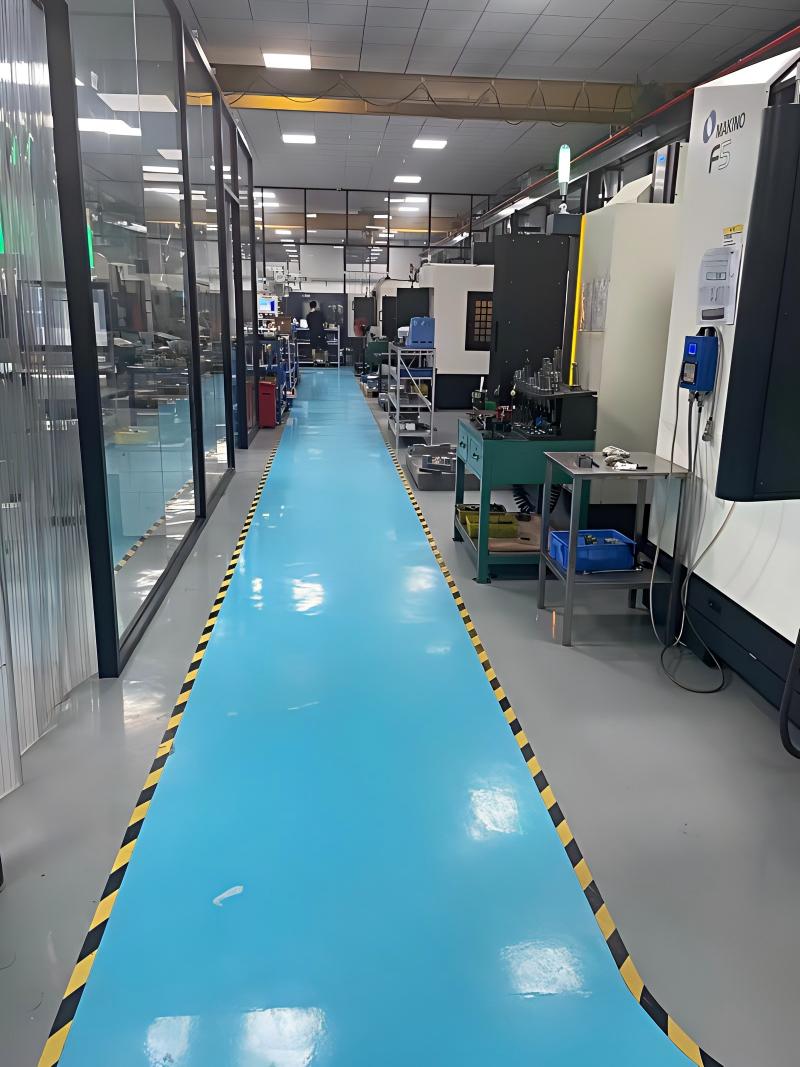
Share current CAD and drawing files, Harz, erwartete Menge, critical features and any timing or machine constraints.
Record the requested revision, review the effect on tooling and confirm the updated scope and approval before proceeding.