


Kategorien
- Aktuelle Updates
Pilot production is a limited run used to evaluate injection-molded parts and the manufacturing process before a planned increase in volume. It gives engineering, quality and purchasing teams a defined set of parts to inspect, assemble and test. The run size, Harz, tooling route and acceptance criteria should be agreed for each project.
A typical project moves from part design and design for manufacturing (DFM) into tool build, mold trials and part evaluation. A pilot run can follow once the team has identified what needs to be checked with more than a few trial shots. Its purpose is to gather evidence for the next decision, which may be a design revision, further validation or a wider production plan.
Pilot production differs from an early prototype because it focuses on a repeatable run of molded parts. It also differs from an unrestricted production release: open questions and agreed limits are recorded and reviewed before the project scales.
The useful checks depend on the part and its application. A project plan may cover:
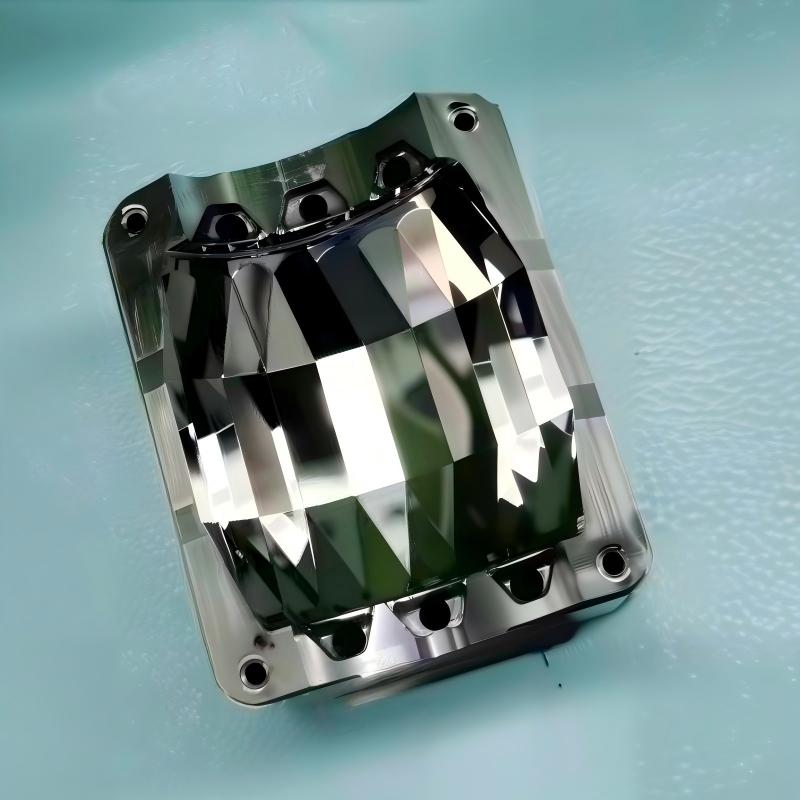
For optical or transparent components, the inspection plan should state the optical and cosmetic criteria that matter to the customer. Those criteria cannot be inferred from a generic mold specification. Siehe unsere optical mold overview for related tooling context.
A clear brief helps the tooling and molding teams prepare a useful pilot run. Send the current 2D drawing and 3D CAD data, material grade, expected pilot quantity, target annual volume, critical dimensions, surface or optical requirements, and any assembly or test method. If a part has changed since the last mold trial, identify the revision and the reason for it.
Before the run, agree on the sample quantity, acceptance criteria, inspection method, and who will approve the results. After the run, record findings and decide whether the next step is a mold adjustment, another trial or a broader release. Unser Formvalidierung page explains the related tooling checkpoint.
GPTMOLD lists small-batch sampling and pilot production within its injection molding services. The right approach depends on the part design, tooling status, Material, requested quantity and quality requirements. Share these details so the team can review feasibility and define the next step for your project.
Contact GPTMOLD about pilot production or email sales@gptmold.com with your drawing and project brief.
Nein. A pilot run is a controlled stage for evaluating parts and the process before a wider release. The tooling, materials and inspection plan should be confirmed for the specific project.
There is no universal quantity. The required number depends on the tests, assembly checks, customer review and process questions the run must answer. Confirm the target quantity in the project brief.
Send a drawing or CAD model, material specification if known, expected pilot and annual quantities, critical quality requirements, tooling status and target schedule. This helps the team identify the right questions before quoting.