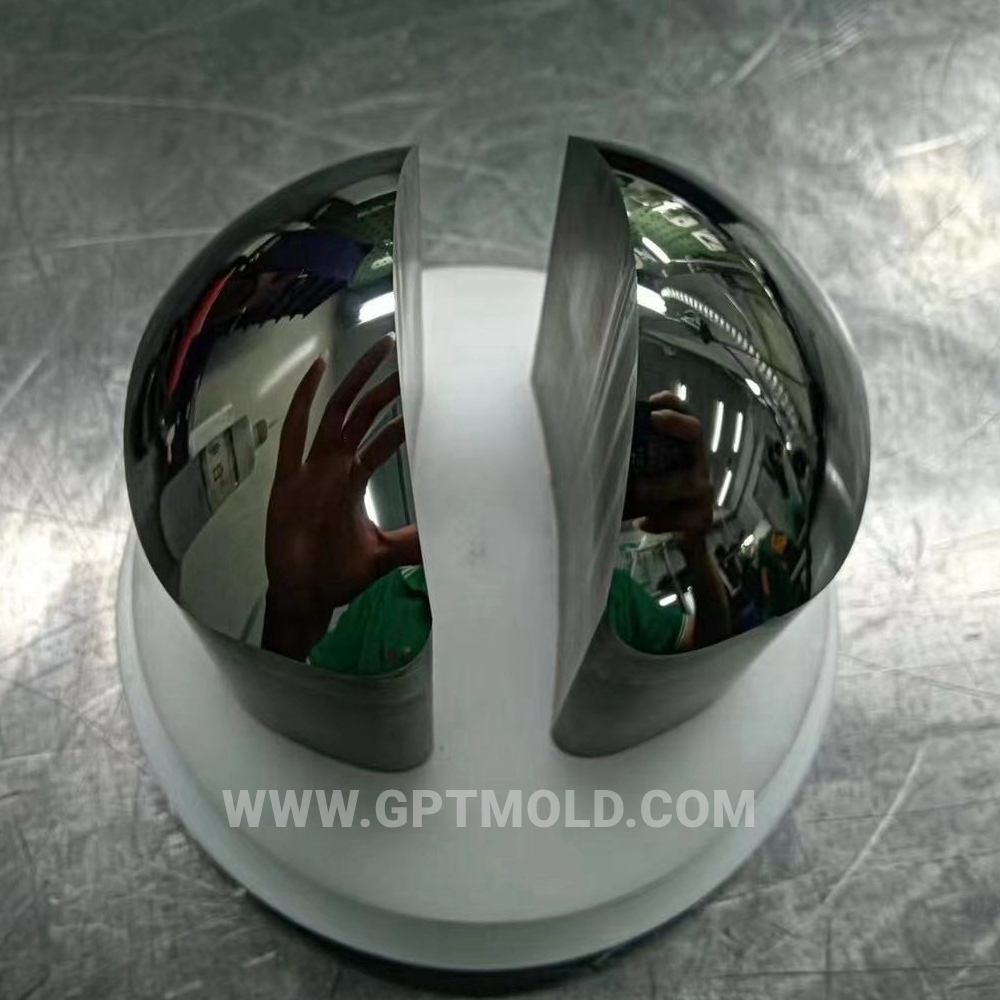
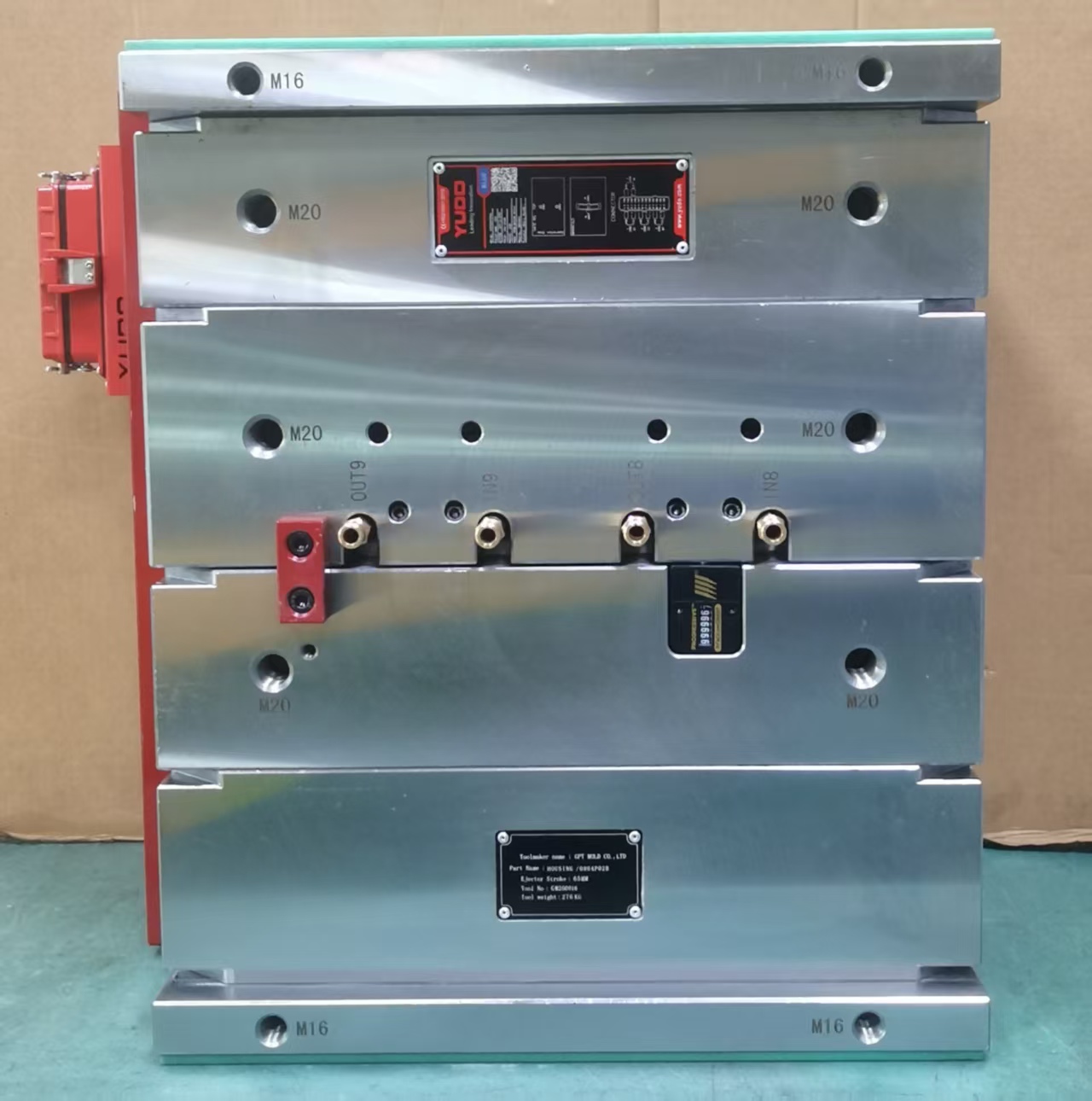
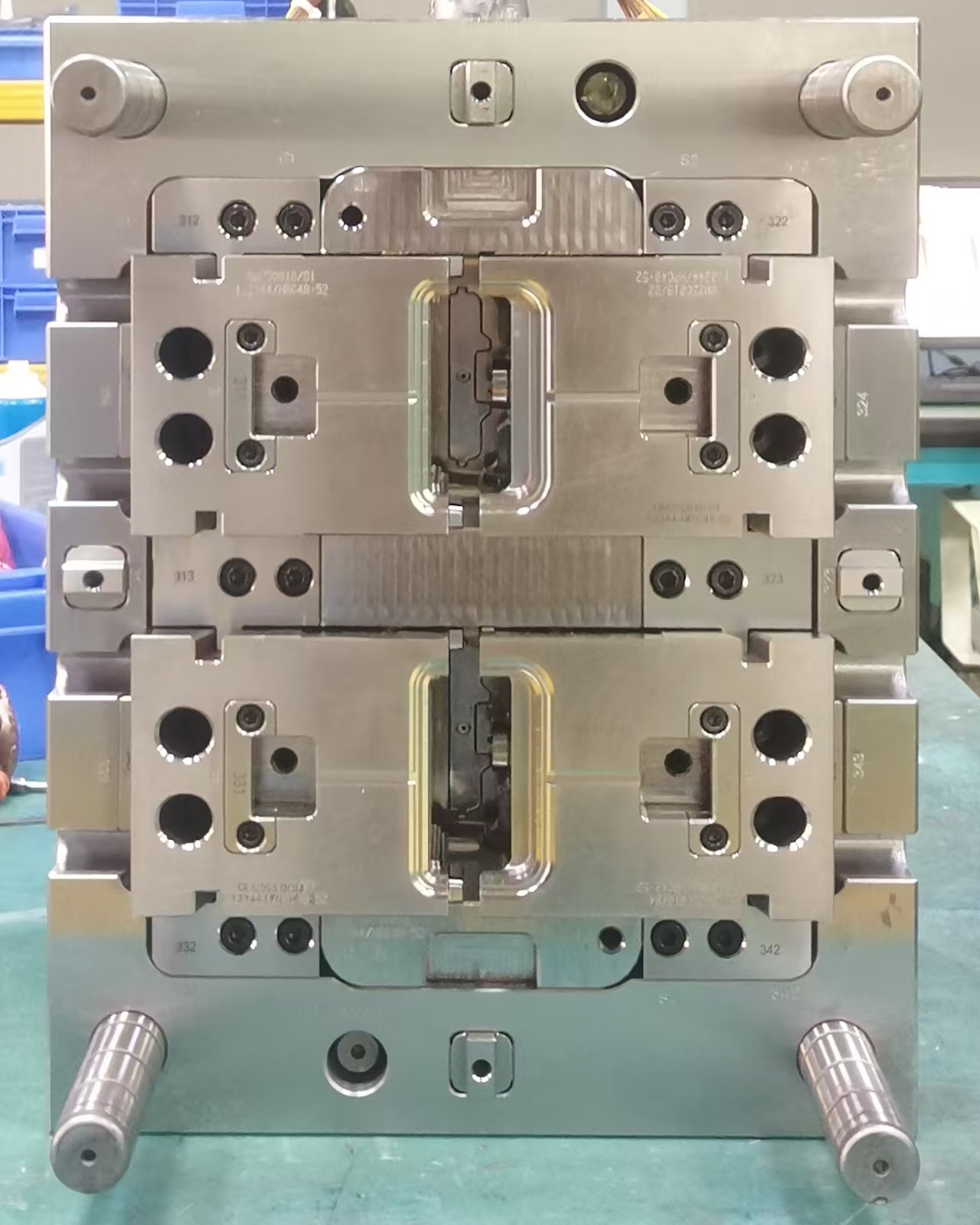
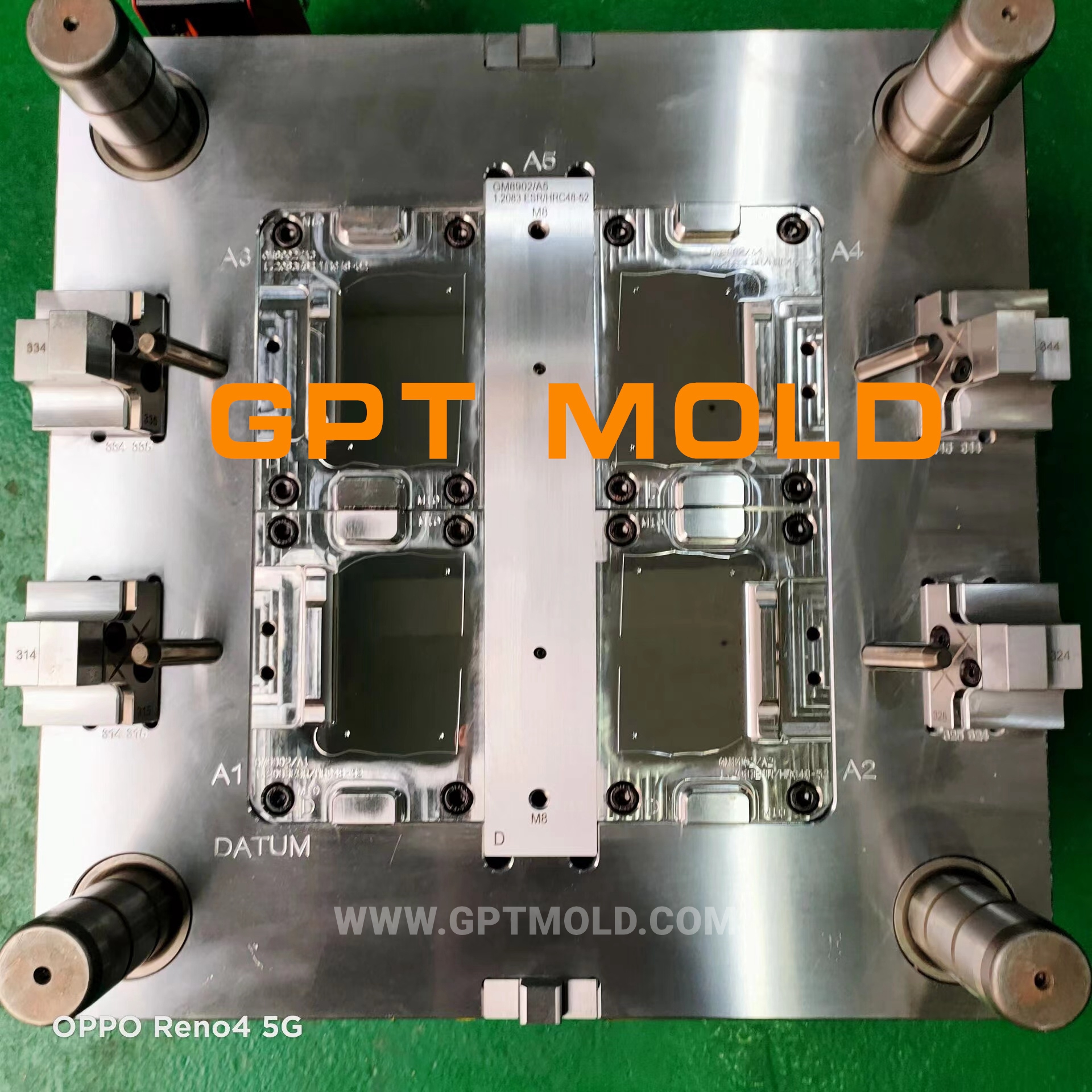
Liste de contrôle de la qualité pour la fabrication de moules d'objectifs optiques de haute précision
Demande- Description
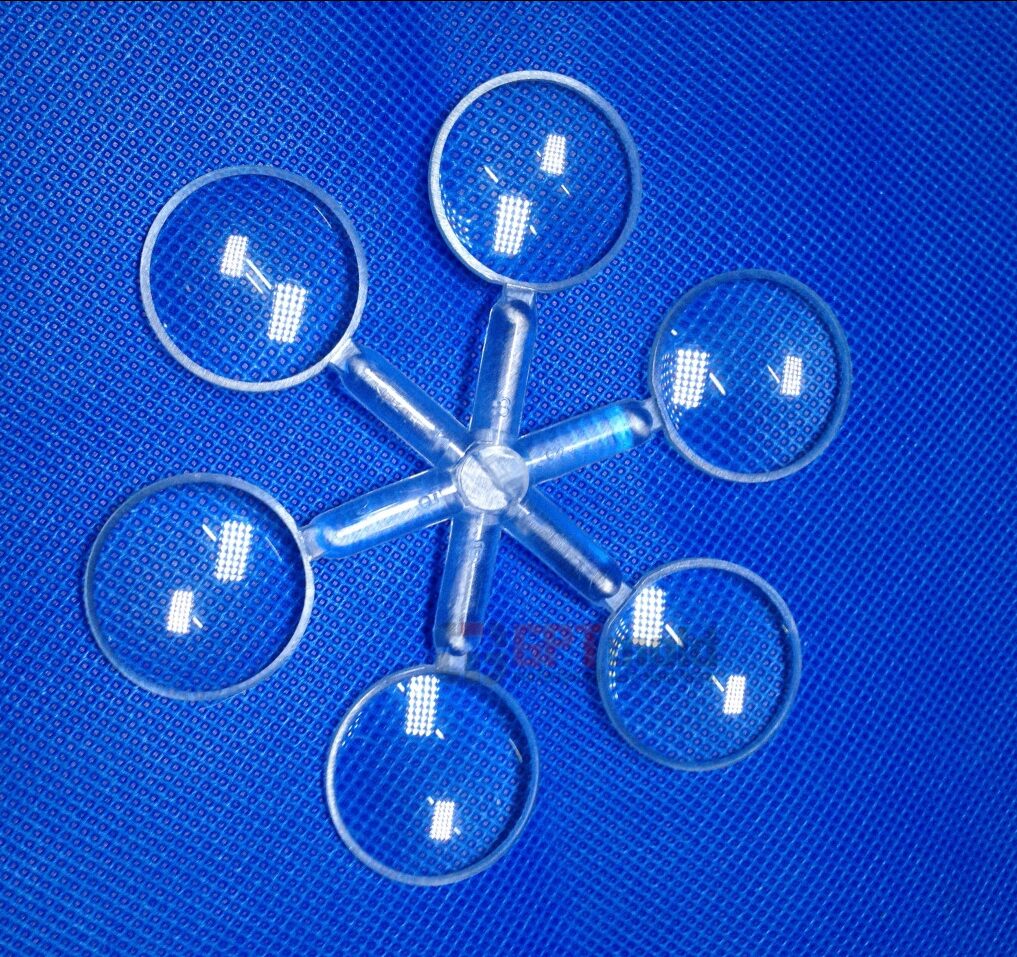 Liste de contrôle de la qualité pour la fabrication de moules d'objectifs optiques de haute précision
hecklist applies to the production of molds for optical lenses (Par exemple,, camera lenses, les lentilles optiques pour LED, non-spherical lenses) with precision requirements of concentricity ≤0.003mm and surface roughness Ra ≤0.005μm. It covers 5 core stages: material preparation, precision machining, surface treatment, mold assembly, and trial validation, with clear acceptance criteria and inspection methods for each item.
| Stage | Check Item | Technical Requirement | Inspection Method | Acceptance Standard | Responsible Party | Remarks |
| 1. Material Preparation & Pré-traitement | 1.1 Mold blank material certification (cavity/core) | Matériau: S136/STAVAX stainless steel; chemical composition compliance with ASTM standard; for COP high-temperature lenses, utiliser de l'acier à revenu (maraging) (18Ni-300) | Review material certificate + spectral analysis | Certificate matches batch number; chemical composition deviation ≤±0.05% of standard value | Material QC Team | Vacuum degassing required for maraging steel to eliminate internal pores |
| 1.2 Forging and stress relief annealing (rough machining stage) | Forging grain flow direction consistent with cavity contour; stress relief annealing at 600–650°C for 4–6h, cooling rate ≤50°C/h | Metallographic inspection + hardness testing | Grain uniformity ≥Grade 2; surface hardness after annealing: 30–36 HRC | Heat Treatment Team | Avoid rapid cooling to prevent new stress | |
| 1.3 Vacuum quenching & tempering (final heat treatment) | Vacuum quenching at 1020–1050°C, 3× tempering at 500–520°C; hardness target: 55–58 HRC (S136) / 50–55 HRC (maraging steel) | Rockwell hardness tester (3 points per component) + ultrasonic flaw detection | Hardness variation ≤±1 HRC; no internal cracks or inclusions (flaw size ≤0.01mm) | Heat Treatment Team | Tempering time extended by 1h for large mold cores to ensure hardness uniformity | |
| 2. Usinage de précision | 2.1 Mold plate flatness and perpendicularity (semi-finishing) | Flatness ≤0.002mm/100mm; perpendicularity between mold plate surface and guide pillar holes ≤0.01mm | Precision surface grinder + laser interferometer | Full-area measurement, maximum deviation ≤0.0015mm | CNC Machining Team | One-side grinding to avoid repeated clamping errors |
| 2.2 Locating pin hole machining (wire EDM) | Hole diameter tolerance: ±0.001mm; concentricity between paired holes ≤0.002mm | MMT (machine de mesure par coordonnées, précision ±0,001 mm) | 100% inspection of all 8 locating holes, no out-of-tolerance items | EDM Team | Machining completed in one clamping to ensure positional accuracy | |
| 2.3 Cavity/core semi-finishing (Moore jig grinder) | Machining allowance: 0.03mm for cavity surface; concentricity of core hole ≤0.001mm | MMT + optical comparator | Concentricity deviation ≤0.0008mm; allowance uniform (variation ≤0.005mm) | Precision Grinding Team | Jig grinder spindle runout ≤0.0005mm during processing | |
| 2.4 Ultra-precision diamond turning (non-spherical surface) | Cutting depth: 2–4μm (nickel-phosphorus plating layer); surface roughness target: Ra ≤0.01μm; non-spherical surface profile error ≤0.5μm | Optical profilometer + diamond tool wear monitor | Profile deviation ≤0.3μm; Ra ≤0.008μm; tool wear ≤0.001mm per 10 components | Ultra-Precision Machining Team | Processed in Class 1000 cleanroom to avoid dust scratches | |
| 3. Traitement de surface | 3.1 Mirror polishing (cavity/core surface) | Polishing sequence: 6μm→3μm→1μm→0.25μm diamond paste; target grade: SPI A-1 (Ra ≤0,005 μm) | Atomic force microscope (AFM) + visual inspection (10× magnifying glass) | No scratches, pits or orange peel; Ra ≤0.004μm; surface flatness ≤0.001mm | Polishing Team | Final polishing with colloidal silica to improve surface gloss |
| 3.2 DLC/TiN coating (core surface) | Coating thickness: 2–5μm; adhesion strength ≥50N (pull-off test); friction coefficient ≤0.15 | Coating thickness gauge + pull-off adhesion tester | Thickness variation ≤±0.5μm; no coating peeling or bubbling | Surface Treatment Team | Coating applied after final polishing to avoid damage | |
| 3.3 Nickel-phosphorus plating (micro-structured inserts) | Plating thickness: 2–4μm; plating uniformity ≤±0.2μm; surface hardness: 50–55 HRC | Eddy current thickness gauge + micro-hardness tester | Uniformity meets requirement; no plating voids on micro-patterns | Plating Team | Plating pre-treatment includes degreasing and activation to ensure adhesion | |
| 4. Assemblage du moule | 4.1 Precision locating pin assembly | Interference fit: pin diameter 0.001–0.003mm larger than hole; mold plate heated to 70°C for press-fitting | Torque wrench + MMT (post-assembly inspection) | No pin looseness; concentricity of mold plate after assembly ≤0.003mm | Assembly Team | Use heat-resistant lubricant during press-fitting to avoid pin jamming |
| 4.2 Core-cavity fit adjustment | Main fit clearance (small end): 0.002–0.003mm (moule fixe); 0.003–0.005mm (moule mobile); auxiliary fit clearance (large end): 0.008–0.015mm | Feeler gauge + MMT (coaxiality measurement) | Clearance within range; coaxiality of core and cavity ≤0.002mm | Assembly Team | Test fit with dummy core before formal assembly | |
| 4.3 Cooling circuit integrity test | Pressure test at 1.5× working pressure (1.5MPa); holding time 30min | Pressure gauge + bubble leak detector | No pressure drop (≤0.01MPa/30min); no water leakage at joints | Hydraulic Test Team | Conformal cooling channels to be inspected via industrial CT for blockage | |
| 4.4 Hot-runner system calibration (for large lenses) | Nozzle temperature variation ≤±3°C; temperature response time ≤10s | Temperature data logger (3 thermocouples per nozzle) | Temperature stability meets requirement; no nozzle clogging | Hot-Runner Team | Preheat for 30min before calibration to reach thermal equilibrium | |
| 5. Moulage d'essai & Performance Validation | 5.1 Trial resin material (optical grade) | Matériau: PMMA CR-39/PC LEXAN 141R/COP; purity ≥99.9%; no particulate impurities (≥0.1mm) | Material certificate + particle counter test | Impurity count ≤5 particles/kg; resin transmittance ≥92% | Injection Team | Resin dried for 4–6h at 80–100°C before molding |
| 5.2 Mold temperature stability during trial | Mold temperature variation ≤±3°C; cooling water flow rate: 5–8L/min per channel | Real-time thermocouple monitoring (4 points around cavity) | Temperature fluctuation ≤±2°C; flow rate stable (variation ≤±0.5L/min) | Process Control Team | Use constant temperature water chiller for precise control | |
| 5.3 Molded lens dimensional inspection | Concentricity ≤0.003mm; thickness variation ≤0.005mm; non-spherical profile error ≤0.5μm | Optical CMM + lens centering tester | All dimensions within tolerance; no eccentricity-induced astigmatism | Quality Inspection Team | Sample size: 20 lenses per batch, 0 acceptance for out-of-tolerance | |
| 5.4 Lens optical performance test | Light transmittance ≥90%; pas de marques de flux / marques de brûlure (visual inspection under 20× magnification); surface defect size ≤0.01mm | Spectrophotometer + optical microscope | Transmittance ≥91%; no visible defects; surface scratch count ≤0 per lens | Optical Lab Team | Test in darkroom to avoid ambient light interference | |
| 5.5 Mold durability test (accelerated) | 10,000 injection cycles; cavity surface wear ≤0.001mm; coating adhesion remains ≥45N | AFM (post-test surface inspection) + adhesion test | Wear within limit; no coating peeling; lens quality consistent (defect rate ≤0.5%) | Reliability Test Team | Maintenance (ultrasonic cleaning) after 5,000 cycles to remove residue |
Catégorie avec barre latérale Optical mold