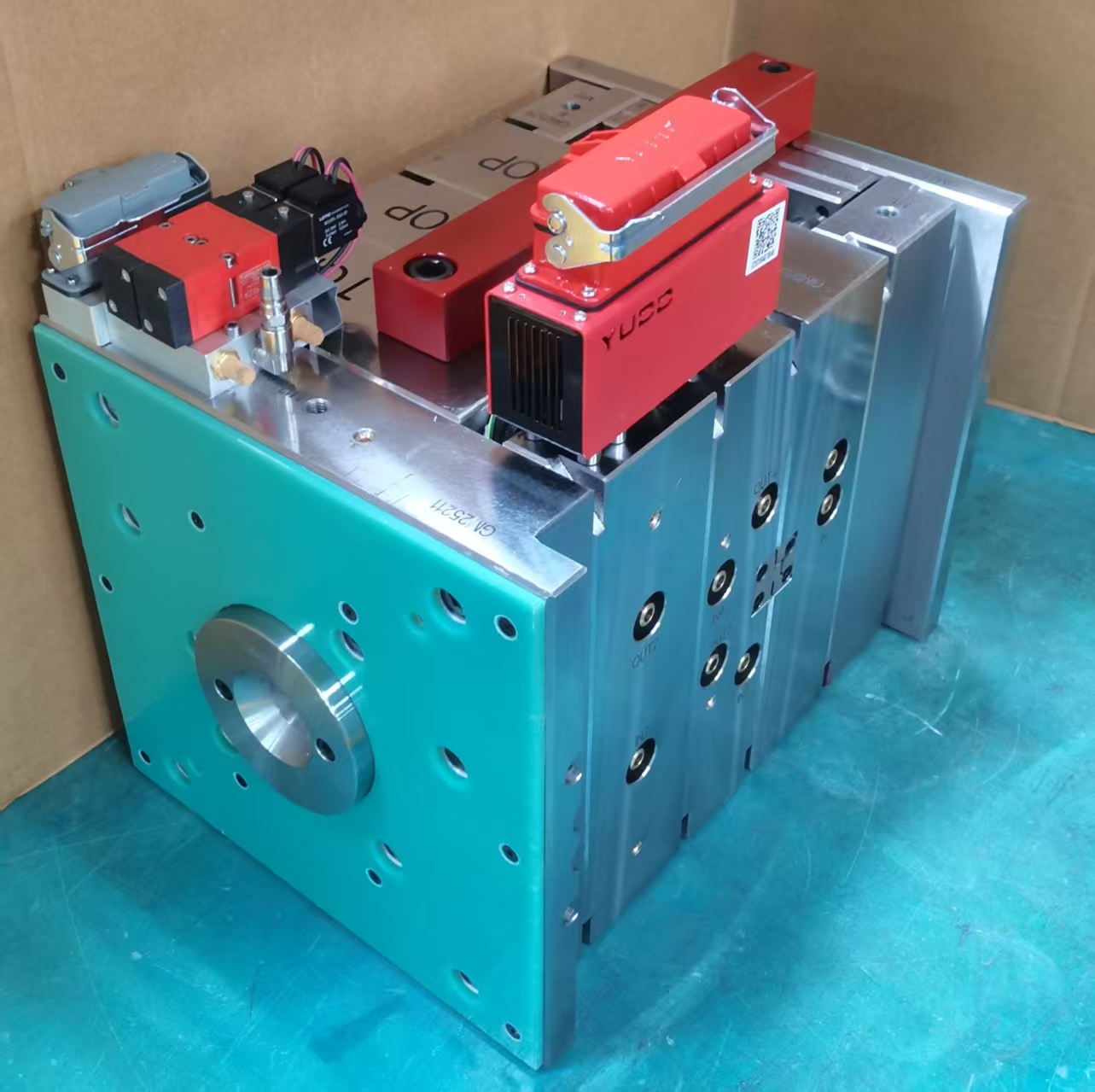
Precision Export Mold Tooling
Coûts des moules d'injection en Chine: Une analyse complète
The cost of injection molds in China varies dramatically based on mold complexity, de la qualité des matériaux, des exigences de précision, du volume de production, et des capacités de fabrication régionales. Alors que l'industrie des moules en Chine continue de se développer (avec une échelle de marché nationale prévue pour dépasser 400 milliards de ¥ en 2025, growing at over 8% annually), it offers a wide price spectrum for domestic and international buyers, ranging from low-cost prototype molds to high-precision mass-production tools.
1. Core Price Ranges by Mold Type
1.1 Prototype & Low-Volume Molds (Classe SPI 105-104, 000 cycles)
- Price Range: 500–10,000 per mold
- Détails:
- Prototype molds (≤500 cycles) use cost-effective materials like epoxy, cast iron, or aluminum, with prices starting as low as $500 for simple designs.
- Low-volume molds (10,000–100,000 cycles) typically adopt soft steel or aluminum, costing 2,000–10,000 for small-to-medium parts (Par exemple,, consumer electronics casings, small plastic components).
- Suitable for product testing, small-batch customization, or short-life-cycle items.
1.2 Medium-Volume Molds (Classe SPI 103, 00,000 cycles)
- Price Range: 10,000–30,000 per mold
- Détails:
- Made of medium-hard steel (min. 165 BHN for mold bases, 280 BHN for cavities/cores), these molds balance durability and cost.
- Common applications include household appliance parts, auto interior components, and industrial accessories with moderate precision demands.
- Multi-cavity designs (2–4 cavities) may push costs to the upper end of the range.
1.3 High-Volume & Precision Molds (Classe SPI 102-101, ≥500 000 cycles)
- Price Range: 30,000–200,000+ per mold
- Détails:
- Classe SPI 102 (≤1,000,000 cycles): 30,000–80,000, using hardened tool steel (min. 48 Rc for molding surfaces) and suitable for abrasive materials (Par exemple,, glass-filled plastics) or close-tolerance auto parts.
- Classe SPI 101 (≥1,000,000 cycles): 80,000–200,000+ for complex designs (Par exemple,, medical devices, automotive engine components) with features like guided ejection systems, corrosion-resistant cooling channels, and parting line locks. Ultra-precision molds for aerospace or microelectronics can exceed $500,000 for large or multi-functional tools.
2. Key Factors Driving Cost Variations
2.1 Mold Design & Complexity
- Simple vs. Complex Geometries: Basic single-cavity molds with no sliders or undercuts cost 30–50% less than multi-cavity molds with slides, lifters, or hot-runner systems (hot runners alone add 5,000–20,000 to the total cost).
- Precision Requirements: Molds for medical devices (±0.001mm tolerance) or micro-components demand advanced machining (Par exemple,, EDM, 5-axis CNC) and quality control, increasing costs by 50–100%.
2.2 Sélection des matériaux
- Mold Base Materials: Soft steel/aluminum (2–5 per kg) par rapport à. hardened tool steel (Par exemple,, H13, S136 at 8–15 per kg) can double the material cost for high-volume molds.
- Surface Treatments: Electroplating (Par exemple,, chrome plating for corrosion resistance) or PVD coatings add 2,000–8,000, while anti-corrosion cooling channel treatments (common in SPI Class 101 molds) increase expenses by 10–15%.
2.3 Regional Manufacturing Costs
- Pearl River Delta (PRD) & Yangtze River Delta (YRD): These regions (accounting for 40% of China’s mold output value) have concentrated supply chains and skilled labor, but costs are 15–25% higher than inland areas (Par exemple,, Chongqing, Chengdu). However, PRD/YRD molds offer better quality control and faster lead times (4–6 weeks vs. 8–12 weeks inland).
- OEM vs. Custom Factories: Large OEM factories (serving automotive/electronics giants) charge premium prices for certification (Par exemple,, ISO 9001, IATF 16949), while small workshops offer lower costs but limited quality guarantees.
2.4 Production Volume & After-Sales Services
- Mold Lifetime: Molds rated for 1 million+ cycles require thicker steel sections and wear-resistant components, raising upfront costs but lowering long-term per-unit production expenses.
- Maintenance & Warranty: Extended warranties (1–3 years) or on-site maintenance services add 5–10% to the mold price but reduce downtime for mass production.
3. Cost Comparison with Global Markets
China’s injection mold costs are typically 30–60% lower than those in North America or Europe for equivalent quality. For example:
- A 50,000 high-volume mold in China would cost 80,000–$100,000 in the U.S. due to higher labor and material expenses.
- Even precision medical molds in China are 20–30% cheaper than in Germany or Japan, though top-tier European molds may offer tighter tolerances for ultra-high-end applications.