




DFM Analysis
Discuss parting lines, dépouille, gating, undercuts and ejection before formal mold design.
Explore DFM ↗Review part risks, simulation results, mold design and trial findings before committing to the next step.
Send RFQ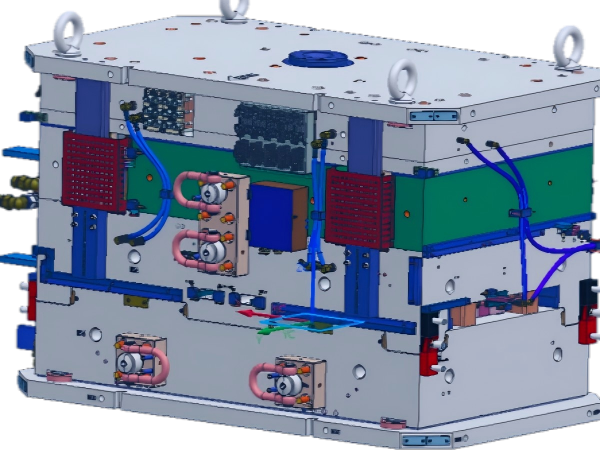
Start with the part function, géométrie, resin and acceptance criteria. The right review then clarifies manufacturability, mold concept and how samples will be evaluated.
Discuss parting lines, dépouille, gating, undercuts and ejection before formal mold design.
Explore DFM ↗Use simulation where flow, filling or cooling behavior could change a tooling decision.
Explore analysis ↗Turn agreed part requirements into a mold concept and reviewable design information.
Explore design ↗Compare trial parts with agreed dimensional, appearance and functional requirements.
Explore validation ↗Track drawing revisions, open questions, approvals and handover items across the project.
Explore coordination ↗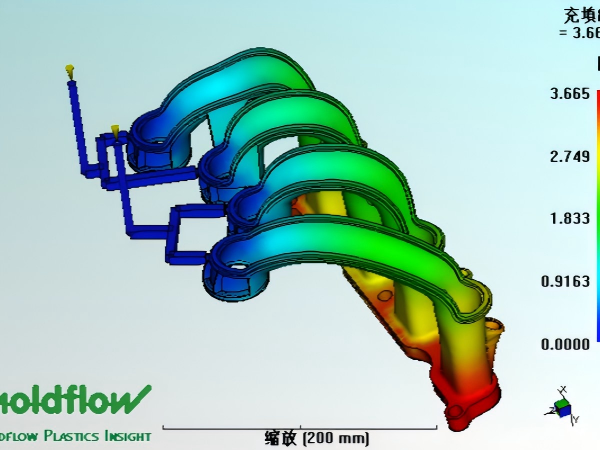
Simulation and design review are useful when their results are discussed against the actual part requirements. A colorful plot alone does not determine acceptance.
Matériau, géométrie, gate assumptions and processing requirements affect the interpretation.
Record what the result changes in the mold design or trial plan.
Clear inputs help the review focus on the actual purchase decision. Mark any requirement that is still open for discussion.
Send RFQ ↗3D CAD, 2D drawing and current revision.
Resin grade or a defined material requirement.
Expected volume, machine constraints and assembly needs.
Dimensions critiques, appearance and required records.
That depends on geometry, resin, quality risks and the decisions the team needs to make. Agree the scope before treating simulation as a standard deliverable.
It is most useful before the mold concept is finalized, while part and tooling options can still be discussed with the customer.
Confirm the drawing revision, agreed mold concept, open issues, acceptance criteria and customer approvals relevant to that stage.