


Gas Assist Injection Mold

Accueil Gas Assist Injection Mold

Gas Assist Injection Mold

HOLLOW-SECTION TOOLING

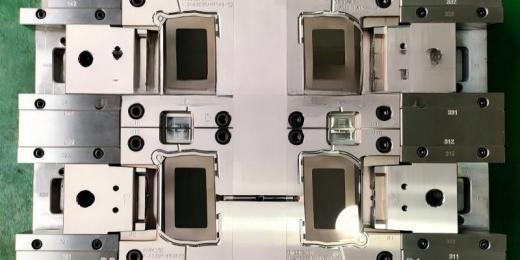
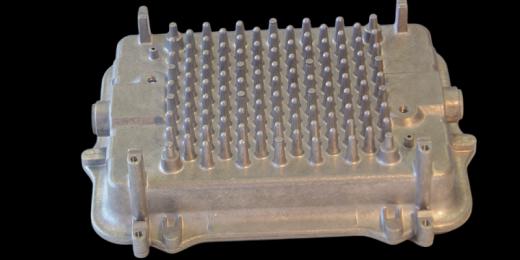
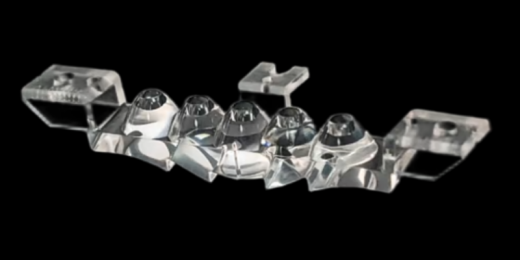
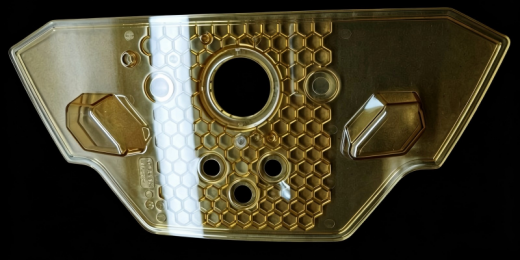
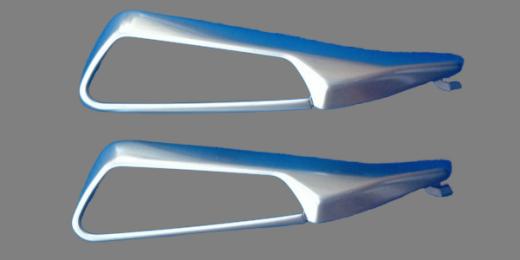
Assess gas-assist tooling against the part geometry and the result you need to validate. Gas-assisted injection molding uses gas within the molding process to help form hollow sections or support packing in an appropriate part design.

For thick sections, handles or structural shapes, start by identifying the appearance, poids, stiffness and assembly requirements. Share the model with GPTMOLD to discuss whether a gas-assist approach merits further engineering review for your component.

Discutez de Votre Projet

Connect the gas path with the part design

Geometry and hollow sections

Show where a hollow section is acceptable and where material must remain solid. Review wall transitions, ribs, ends and intersections that may affect the proposed gas path. Identify mounting points, fasteners and other areas whose function depends on the final internal geometry.


Appearance and functional requirements

Mark visible surfaces and define the acceptable finish, distortion and surface condition. Weight reduction or improved appearance should be treated as targets to evaluate, with agreed evidence from the actual part and process rather than a generic percentage or guarantee.

Tooling and production interfaces

Discuss gate and gas-entry locations, refroidissement, sealing and part removal as one mold concept. Confirm the intended molding machine, gas-control equipment and responsibilities for trials and process development. Equipment compatibility and the agreed scope need review before the tooling plan is released.

Ce qu'il faut inclure dans votre demande

  • Current CAD model, drawing revision and resin grade
  • Proposed hollow sections and areas that must remain solid
  • Visible surfaces, weight targets, critical dimensions and assembly references
  • Required load, fit or other functional checks
  • Expected volume, available production equipment and project timing
  • Trial quantity, inspection methods and required approval records

Planification de la révision et de l'acceptation

Use DFM analysis to clarify geometry and tooling questions. Discuss whether mold flow analysis can address the particular concern, and confirm the scope and assumptions of any simulation. The trial plan should examine external dimensions, appearance and the internal result where required. Agree how the hollow section will be assessed and how samples will be tested in their intended assembly. Mold validation records should distinguish observed results, proposed adjustments and outstanding acceptance decisions.

Outillage associé & Ingénierie

  • Informations de contact

    Email: sales@gptmold.com

    Heures de travail: Lun – Sam, 8:00 AM – 6:00 PM (GMT+8)

  • Confiance & Conformité