


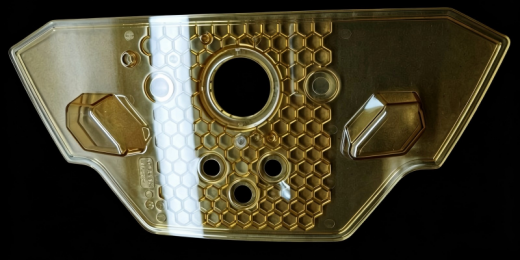
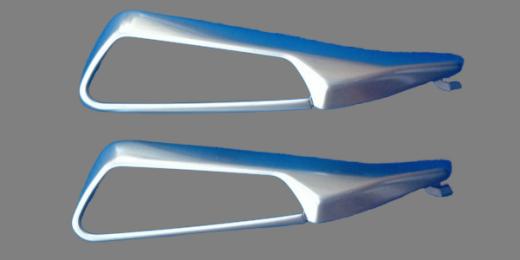

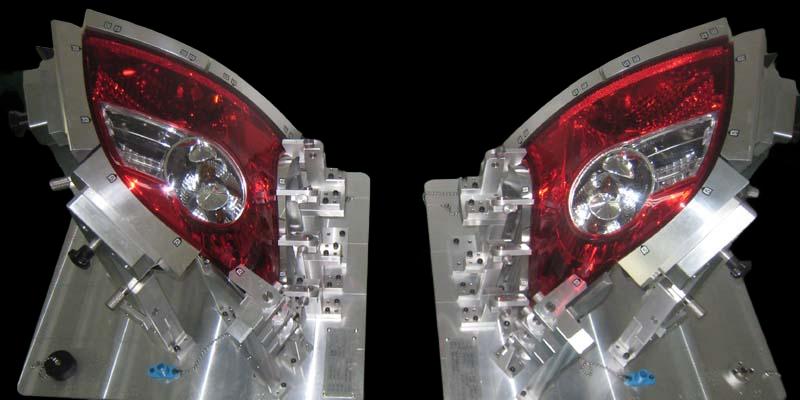
Housings and visible surfaces
Mark cosmetic zones, texture or gloss targets, acceptable gate locations and parting lines. Include mating parts and any appearance references used for review.
ELECTRONIC COMPONENT TOOLING
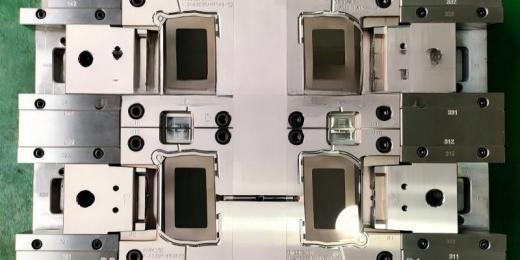
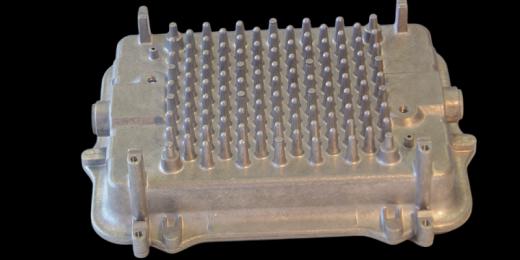
An electronics mold enquiry starts with the component and its role in the finished product. GPTMOLD reviews tooling enquiries for external housings, internal components, connectors, sensor-related parts and other detailed plastic components. Bring the geometry, resin and assembly criteria together so the mold discussion focuses on the features that matter.
Use this category alongside the related component guides to prepare your brief. A housing with visible surfaces raises different review questions from a small connector or an optical window. Identify the intended function and the evidence needed to accept the samples.
Discutez de Votre ProjetMark cosmetic zones, texture or gloss targets, acceptable gate locations and parting lines. Include mating parts and any appearance references used for review.
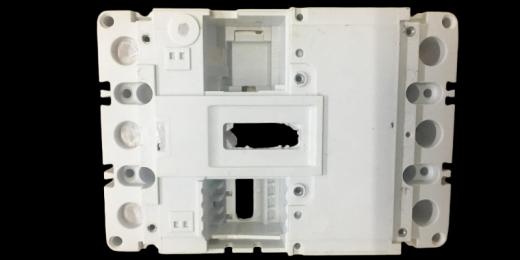
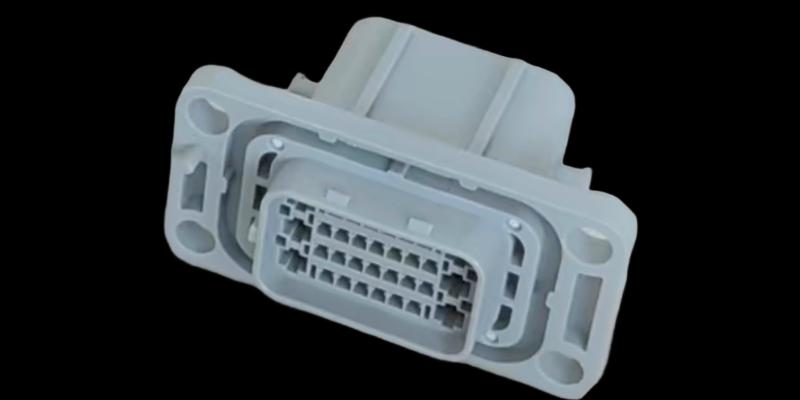
Highlight ribs, bosses, clips, locating surfaces and interfaces that control assembly. Provide drawing datums, critical dimensions and the method used to check fit.
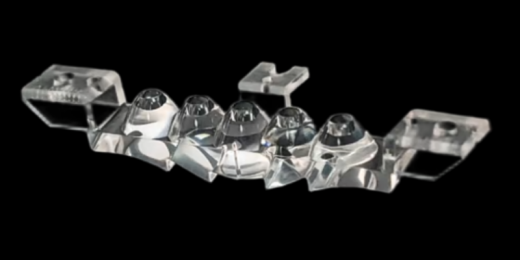
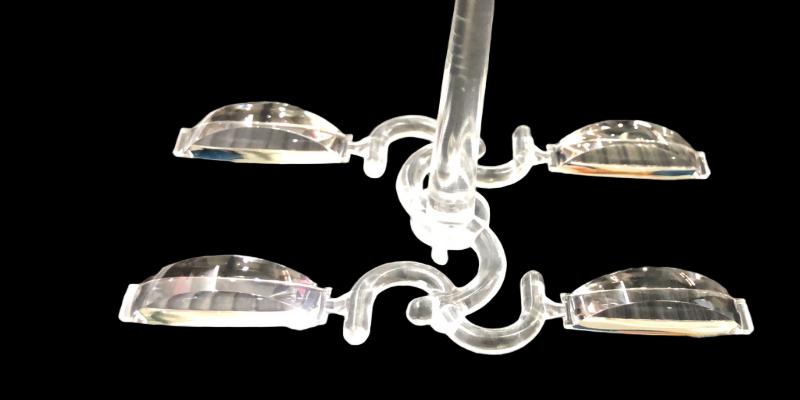
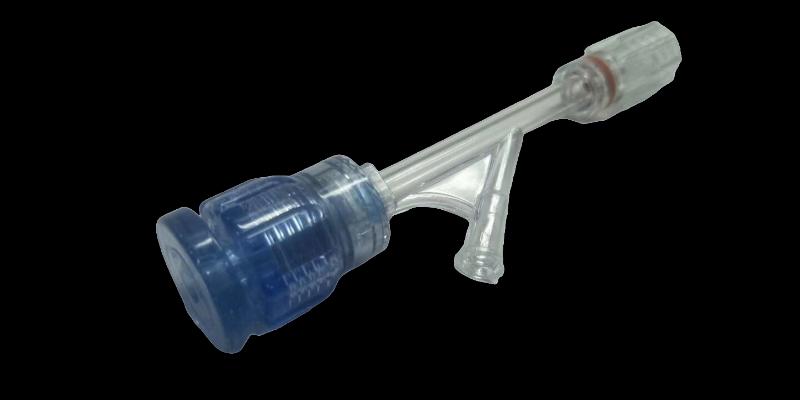
Explain the function of each area and the requirements at its interface. Review the actual CAD data before choosing an optical, two-shot or overmolding approach.
Begin with DFM analysis to review wall transitions, dépouille, gates and part-release questions. Connect each critical feature with a clear acceptance criterion. Discuss cavity planning and the inspection approach with the actual geometry, material and intended production conditions. Before samples are produced, agree the trial objectives and the dimensional, visual and functional evidence required. Check the resulting parts against the drawing and assembly references, record any changes and confirm the next review stage. See quality assurance and inspection for related acceptance-planning topics.