


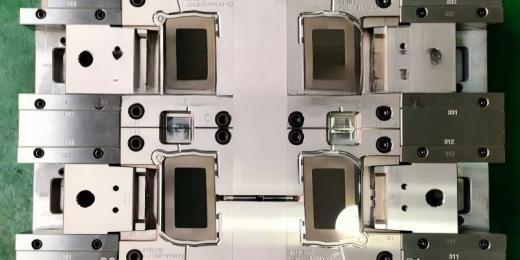
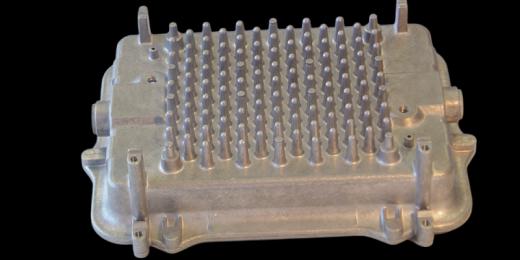
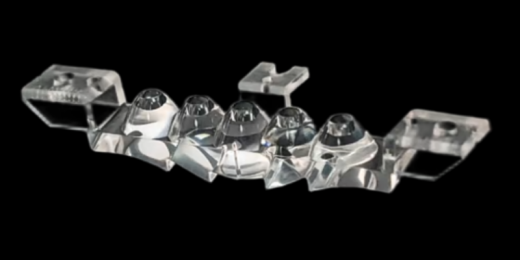
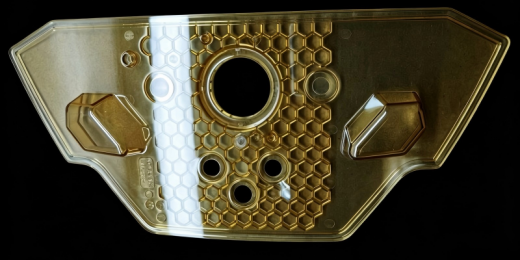
Technical Guide: Прозрачные & Transparent Plastic Injection Molding
Manufacturing transparent parts is considered one of the most challenging disciplines in the molding industry. It requires extreme precision, pristine environmental control, and mastery of material properties, as any minor defect is magnified in a clear component.
1. Tooling Technical Essentials
The core of a transparent part is its optical clarity, which depends entirely on the mold’s surface and structural integrity.
-
Steel Selection: Only high-purity, high-hardness stainless steels with excellent polishing properties are used, such as Assab S136, 420SS, или NAK80. These steels minimize impurities that could cause “pitting” or surface clouds.
-
Отделка поверхности (Polishing): Molds must undergo rigorous Зеркальная полировка to achieve SPI A1 стандарты. This process is performed manually by master technicians to ensure a surface free of ripples, царапины, или текстуры.
-
Стратегия вентиляции: Чтобы избежать “серебристых полос” или газовых ловушек, форма должна иметь сложную систему вентиляции. Вентиляционные каналы обычно проектируются на глубину от 0.01мм до 0,02 мм чтобы позволить газу выходить без образования облоя.
-
Углы наклона: Прозрачные смолы (особенно ПК/ПММА) хрупкие и имеют высокий коэффициент трения. Мы проектируем более крупные углы наклона (как правило >1.5°) чтобы предотвратить повреждение поверхности при извлечении.
2. Материал & Требования к процессу
Распространенные смолы включают PMMA (Акрил), PC (Поликарбонат), и ПЭТ. Их обработка требует абсолютной чистоты.
-
Качество чистой смолы: Только 100% новый материал используется. Любое вторичное сырье или загрязнение приведет к немедленному отклонению изделия из-за черных точек или снижения прозрачности.
-
Строгая сушка: Прозрачные смолы сильно гигроскопичны. ПК и ПММА должны быть высушены при 100°С–120 °С как минимум 4 часов с использованием осушителя. Несоблюдение этого приводит к серебристым полосам или внутренним пузырям.
-
Точная температура управления:
-
Температура формы: Специализированный Контроллеры температуры формы необходимы (ПК часто требует 80°C–120°C) для снижения внутреннего напряжения и улучшения блеска поверхности.
-
Температура плавления: Должна строго контролироваться, чтобы избежать пожелтения (теплового разложения) или “нерасплавленные” частицы (холодные пробки).
-
3. Ключевые меры предосторожности при инструментальной обработке & Производство
A. Во время фазы обработки инструментом
-
Равномерное охлаждение: Охлаждающие каналы должны быть стратегически расположены для обеспечения равномерного отвода тепла. Неровное охлаждение в толстостенных прозрачных деталях приводит к втяжинам или пустотам.
-
Входные каналы & Дизайн литниковой системы: Мы используем отсеки для холодных пробок чтобы поймать первоначальный “холодный” пластик до того, как он попадет в полость, предотвращая следы течения или помутнение.
B. Во время производственной фазы
-
Чистой комнате: Высококачественные оптические детали оптимально изготавливаются в Класс 10,000 Чистой комнаты чтобы воздушная пыль не загрязняла поверхность формы.
-
Специализированное оборудование: Мы используем специальные винты с низким коэффициентом сжатия для прозрачных материалов, чтобы минимизировать тепло сдвига и предотвратить изменение цвета материала.
-
Отжиг (Постобработка): Для линз с толстыми стенками, мы выполняем отжиг после формовки, чтобы устранить остаточные внутренние напряжения, что предотвращает растрескивание детали (появление сеточки трещин) со временем.
💡 Профессиональное резюме для GPT PRECISION
“В GPT PRECISION, мы преодолеваем разрыв между сложным оптическим дизайном и безупречным массовым производством. Сочетая сталь S136 зеркального качества, полировку SPI A1, и формование в чистых помещениях с сертификацией ISO, мы предоставляем прозрачные компоненты с непревзойденной прозрачностью и идеальной поверхностной целостностью без дефектов.”
| Категория функций | Технические стандарты / Требования |
|---|---|
| Основание формы & Сталь | Стандартное основание LKM; Вставки: Assab S136 (HRC 48-54), NAK80, или 420SS. |
| Отделка поверхности | Зеркальная полировка SPI A-1 (Стандарт); Ra < 0.0125 мкм. |
| Допуск точности | Размерные допуски: ±0.005 мм; Критические оптические профили: ±0.002 мм. |
| Совместимость с смолой | PMMA (Акрил), PC (Поликарбонат), ПЭТ, PS, и оптические сополимеры. |
| Угол снятия | Мин. 1.5° – 3° (Оптимизировано для извлечения без царапин). |
| Система охлаждения | Высокоэффективное конформное или сбалансированное охлаждение для равномерного распределения температуры. |
| Производственная среда | Класс 10,000 Литье под давлением в чистом помещении для отсутствия пылевых загрязнений. |
| Проверка качества | Измерение координатным измерительным устройством (КИМ), Оптический проектор, Анализ DFM, и Mold Flow Simulation. |
Developing a clear PC, PMMA or optical-grade component? Request a transparent mold review with your part data and appearance requirements.