


Technischer Leitfaden: Klar & Spritzguss für transparente Kunststoffe
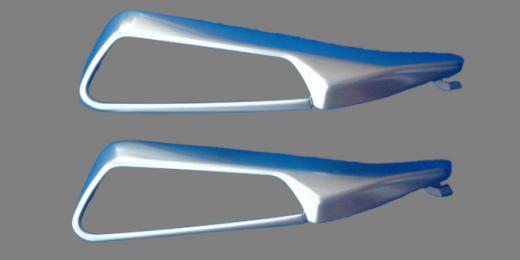
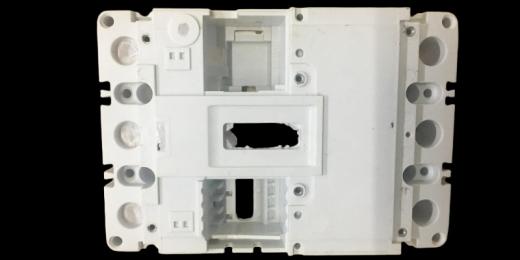
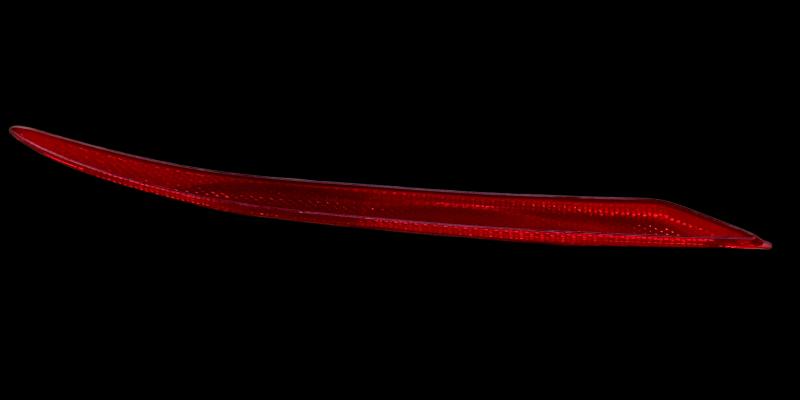
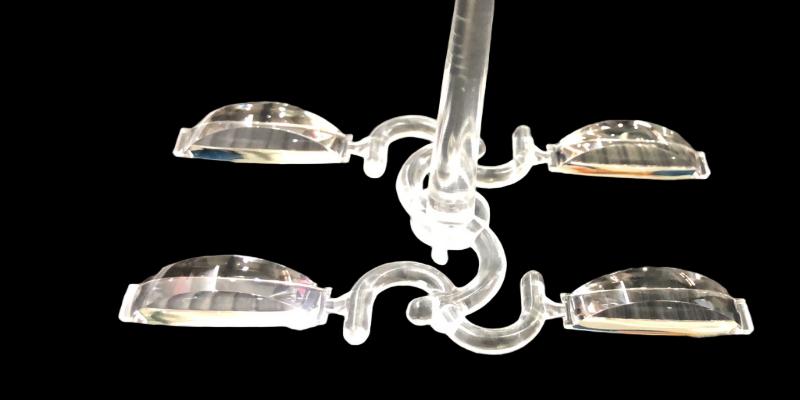
Die Herstellung transparenter Bauteile gilt als eine der anspruchsvollsten Disziplinen in der Gussindustrie. Es erfordert äußerste Präzision, makellose Umweltkontrolle, und Beherrschung der Materialeigenschaften, da jeder kleine Defekt in einem klaren Bauteil verstärkt wird.
1. Werkzeugtechnische Grundlagen
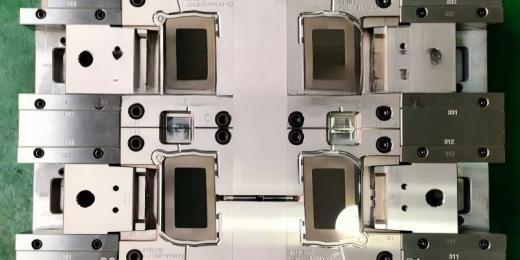
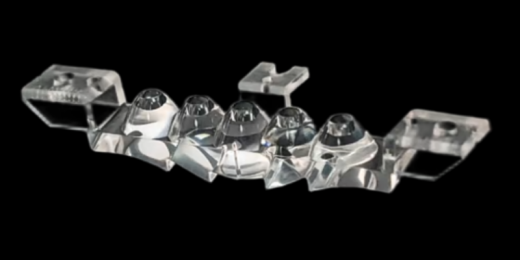
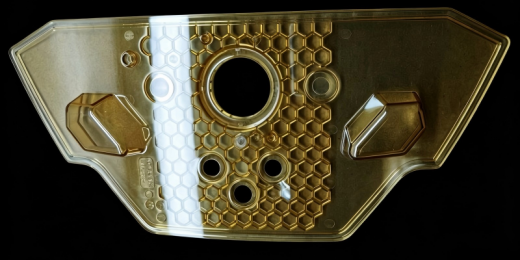
Der Kern eines transparenten Bauteils ist seines optische Klarheit, die vollständig von der Oberfläche und der strukturellen Integrität der Form abhängt.
-
Stahlauswahl: Nur hochreine, hochhärte Edelstahlstähle mit ausgezeichneten Poliereigenschaften werden verwendet, wie z.B. Assab S136, 420SS, oder NAK80. Diese Stähle minimieren Verunreinigungen “Grubenbildung” oder Oberflächenwolken.
-
Oberflächenoberfläche (Polieren): Formen müssen rigoros Spiegelpolitur um zu erreichen SPI A1 Standards zu erfüllen. Dieser Prozess wird manuell von Meistertechnikern durchgeführt, um eine Oberfläche frei von Wellen zu gewährleisten, Kratzer, oder Texturen.
-
Entlüftungsstrategie: Um zu vermeiden “Silberstreifen” oder Gasfallen, die Form muss über ein ausgeklügeltes Entlüftungssystem verfügen. Entlüftungen sind typischerweise in einer Tiefe von 0.01mm bis 0,02 mm damit Gas entweichen kann, ohne Flammen zu erzeugen.
-
Zugwinkel: Transparente Harze (Insbesondere PC/PMMA) sind spröde und haben einen hohen Reibungskoeffizienten. Wir entwerfen größere Zugwinkel (typischerweise >1.5°) um Oberflächenabschlüsse beim Auswerfen zu verhindern.
2. Material & Prozessanforderungen
Gängige Harze sind unter anderem PMMA (Acryl), PC (Polycarbonat), und PET. Ihre Verarbeitung erfordert absolute Reinheit.
-
Makellose Harzqualität: Nur 100% Virgin Material wird verwendet. Jeglicher Recyclinggehalt oder Kontamination führt durch schwarze Punkte oder reduzierte Transparenz sofort zur Ablehnung.
-
Strikte Entfeuchtung: Transparente Harze sind hoch hygroskopisch. PC und PMMA muss bei 100°C–120°C für mindestens 4 Stunden getrocknet werden unter Verwendung eines Trockenmitteltrockners. Unterlassung führt zu Silberstreifen oder inneren Blasen.
-
Präzise Temperaturkontrolle:
-
Formtemperatur: Spezialisiert Formtemperaturregler sind unerlässlich (PC erfordert oft 80°C–120°C) um innere Spannungen zu reduzieren und die Oberflächenglätte zu verbessern.
-
Schmelzetemperatur: Muss streng überwacht werden, um Gelbfärbung zu verhindern (thermische Zersetzung) oder “ungeschmolzene” Partikel (kalte Riegel).
-
3. Wichtige Vorsichtsmaßnahmen für Werkzeuge & Produktion
Eine. Während der Werkzeugphase
-
Gleichmäßige Kühlung: Kühlkanäle müssen strategisch platziert werden, um gleichmäßige Wärmeabfuhr zu gewährleisten. Ungleichmäßige Kühlung bei dickwandigen transparenten Teilen führt zu Sinkstellen oder Vakuumphasen.
-
Anguss & Läuferdesign: Wir verwenden kaltlaufbrunnen um das initiale “kalte” Kunststoff vor dem Eintritt in die Formhöhle einzufangen, Vermeidung von Fließspuren oder Trübungen.
B. Während der Produktionsphase
-
Reinraumumgebung: High-end optical parts are ideally produced in a Klasse 10,000 Cleanroom to prevent airborne dust from contaminating the mold surface.
-
Specialized Machinery: We use dedicated screws with low compression ratios for transparent materials to minimize shear heat and prevent material discoloration.
-
Annealing (Post-Processing): For thick-walled lenses, we perform annealing after molding to eliminate residual internal stress, which prevents the part from cracking (crazing) over time.
💡 Professional Summary for GPT PRECISION
“At GPT PRECISION, we bridge the gap between complex optical design and flawless mass production. By combining S136 mirror-grade steel, SPI A1 Polieren, und ISO-certified cleanroom molding, we deliver transparent components with unparalleled clarity and zero-defect surface integrity.”
| Feature Category | Technical Standards / Requirements |
|---|---|
| Mold Base & Stahl | LKM Standard Base; Einlagen: Assab S136 (HRC 48-54), NAK80, or 420SS. |
| Oberflächenoberfläche | SPI A-1 Mirror Polishing (Standard); Ra < 0.0125 μm. |
| Präzisions-Toleranz | Maßhaltigkeits-: ±0,005 mm; Kritische optische Profile: ±0,002 mm. |
| Harzkompatibilität | PMMA (Acryl), PC (Polycarbonat), PET, PS, und optische Copolymere. |
| Entwurfwinkel | Min. 1.5° – 3° (Optimiert für kratzfreie Auswurf). |
| Kühlsystem | Hocheffiziente konforme oder symmetrische Kühlung für gleichmäßige thermische Verteilung. |
| Produktionsumgebung | Klasse 10,000 Reinraumspritzguss für staubfreie Kontamination. |
| Qualitätsvalidierung | CMM-Inspektion, Optischer Projektor, DFM-Analyse, und Schimmelflusssimulation. |
Entwicklung eines klaren PC, PMMA- oder optisches Bauteil? Fordern Sie eine transparente Schimmelprüfung an mit Ihren Bauteildaten und Erscheinungsanforderungen.