


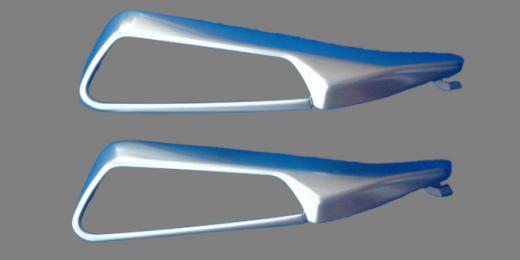
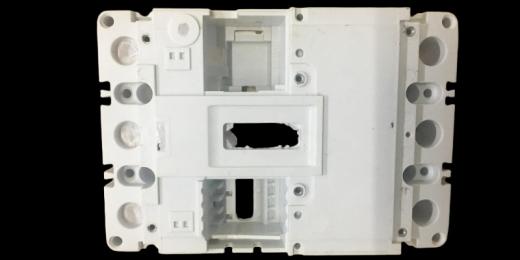
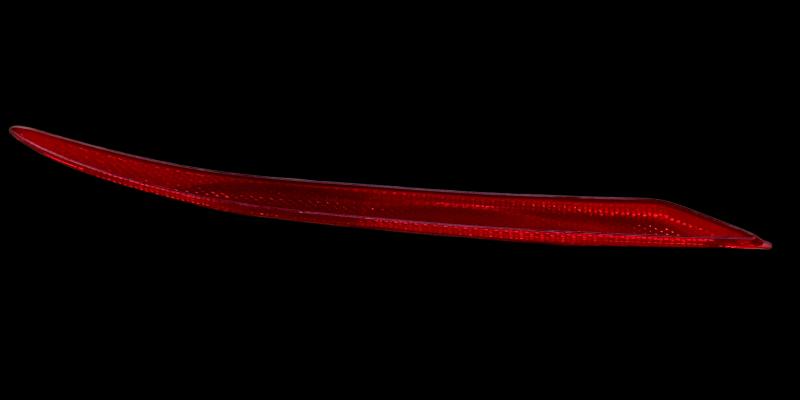
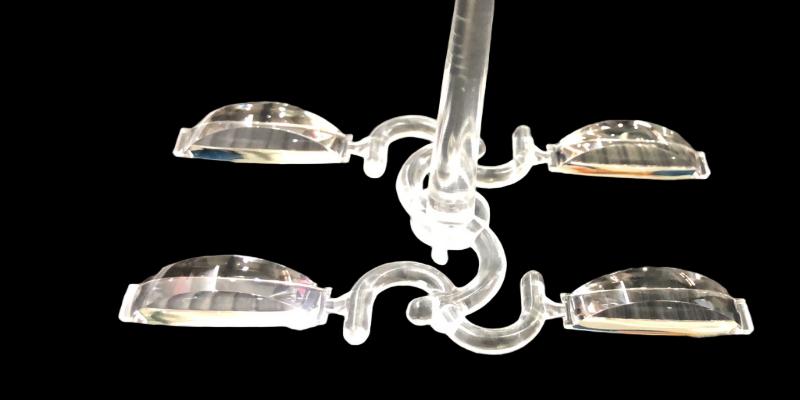
Technical Guide: Clair & Transparent Plastic Injection Molding
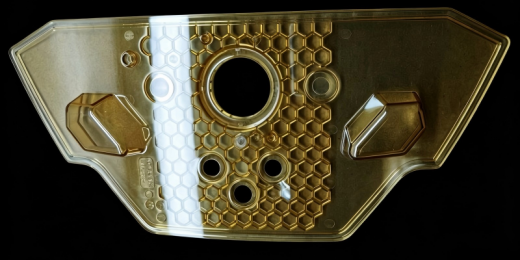
Manufacturing transparent parts is considered one of the most challenging disciplines in the molding industry. It requires extreme precision, pristine environmental control, and mastery of material properties, as any minor defect is magnified in a clear component.
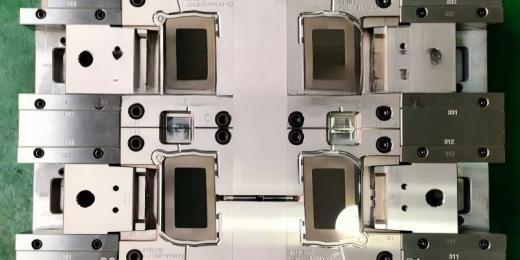
1. Tooling Technical Essentials
The core of a transparent part is its optical clarity, which depends entirely on the mold’s surface and structural integrity.
-
Steel Selection: Only high-purity, high-hardness stainless steels with excellent polishing properties are used, such as Assab S136, 420SS, Ou NAK80. These steels minimize impurities that could cause “pitting” or surface clouds.
-
Surface Finish (Polishing): Molds must undergo rigorous Polissage miroir to achieve SPI A1 normes. This process is performed manually by master technicians to ensure a surface free of ripples, rayures, ou textures.
-
Stratégie de ventilation: Pour éviter “des stries argentées” ou des poches de gaz, le moule doit disposer d'un système de ventilation sophistiqué. Les évents sont généralement conçus à une profondeur de 0.01mm à 0,02 mm pour permettre au gaz de s'échapper sans créer de bavure.
-
Angles de dépouille: Les résines transparentes (en particulier PC/PMMA) sont fragiles et ont un coefficient de friction élevé. Nous concevons des angles de dépouille plus grands (typiquement >1.5°) pour éviter les éraflures de surface lors de l'éjection.
2. Matériau & Exigences du processus
Les résines courantes incluent PMMA (Acrylique), PC (Polycarbonate), et PET. Leur traitement exige une pureté absolue.
-
Qualité de résine immaculée: Seul 100% le matériau vierge est utilisé. Tout contenu recyclé ou toute contamination entraînera un rejet immédiat en raison de points noirs ou d'une transparence réduite.
-
Déshumidification stricte: Les résines transparentes sont très hygroscopiques. PC et PMMA doivent être séchés à 100°C–120°C pendant au moins 4 heures en utilisant un sécheur à déshydratant. Le non-respect de cette opération entraîne des stries argentées ou des bulles internes.
-
Contrôle précis de la température:
-
Température du moule: Spécialisé Les contrôleurs de température de moule sont essentiels (Le PC nécessite souvent 80°C–120°C) pour réduire les contraintes internes et améliorer la brillance de surface.
-
Température de fusion: Doit être strictement surveillée pour éviter le jaunissement (dégradation thermique) Ou “non fondu” particules (bourrelets froids).
-
3. Précautions clés pour l'outillage & Production
A. Pendant la phase d'outillage
-
Refroidissement uniforme: Les canaux de refroidissement doivent être placés de manière stratégique pour assurer une dissipation uniforme de la chaleur. Un refroidissement inégal des pièces transparentes à paroi épaisse entraîne des marques de retrait Ou poches de vide.
-
Entrée & Conception du canal d'alimentation: Nous utilisons puits de bourrelets froids pour piéger le plastique initial “froid” avant qu'il n'entre dans la cavité, prévenant les marques de flux ou la turbidité.
B. Pendant la phase de production
-
Environnement en salle blanche: Les pièces optiques haut de gamme sont idéalement produites dans une Classe 10,000 salle blanche pour empêcher la poussière en suspension de contaminer la surface du moule.
-
Machinerie spécialisée: Nous utilisons vis dédiées avec des rapports de compression faibles pour les matériaux transparents afin de minimiser la chaleur de cisaillement et éviter la décoloration du matériau.
-
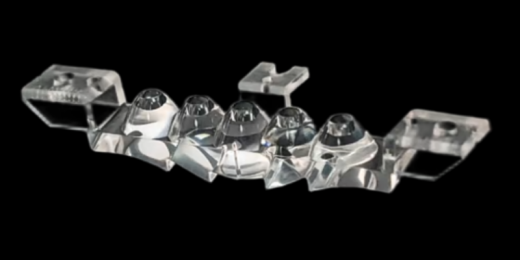
Recuit (Post-traitement): Pour les lentilles à paroi épaisse, nous effectuons le recuit après le moulage pour éliminer les contraintes internes résiduelles, ce qui empêche la pièce de se fissurer (craquelures) au fil du temps.
💡 Résumé professionnel pour GPT PRECISION
“Chez GPT PRECISION, nous comblons le fossé entre la conception optique complexe et la production de masse sans défauts. En combinant Acier miroir S136, Polissage SPI A1, et Moulage en salle blanche certifiée ISO, nous livrons des composants transparents avec une clarté inégalée et une intégrité de surface sans défaut.”
| Catégorie de fonctionnalités | Normes techniques / Exigences |
|---|---|
| Base de moule & Acier | Base standard LKM; Inserts: Assab S136 (HRC 48-54), NAK80, ou 420SS. |
| Surface Finish | Polissage miroir SPI A-1 (Standard); Ra < 0.0125 µm. |
| Tolérance de précision | Dimensions: ±0,005 mm; Profils optiques critiques: ±0.002mm. |
| Compatibilité des résines | PMMA (Acrylique), PC (Polycarbonate), PET, PS, et copolymères de qualité optique. |
| Draft Angle | Min. 1.5° – 3° (Optimized for scratch-free ejection). |
| Cooling System | High-efficiency conformal or balanced cooling for uniform thermal distribution. |
| Production Environment | Classe 10,000 Cleanroom Injection Molding for zero-dust contamination. |
| Quality Validation | CMM Inspection, Optical Projector, DFM Analysis, et Mold Flow Simulation. |
Developing a clear PC, PMMA or optical-grade component? Request a transparent mold review with your part data and appearance requirements.