
Moules optiques

Accueil Moules optiques

Moules optiques

OPTICAL PART TOOLING

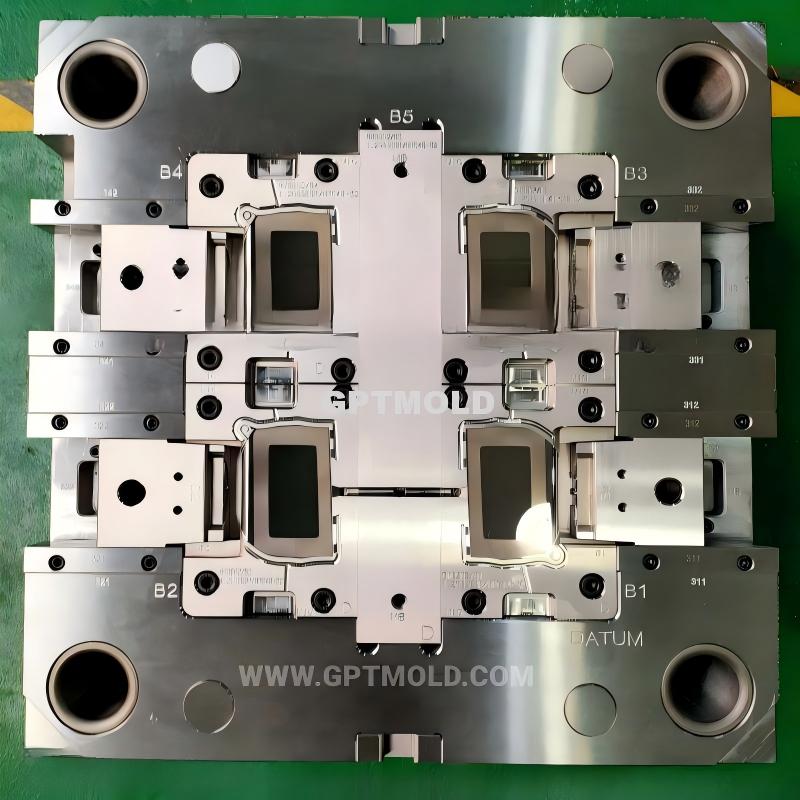
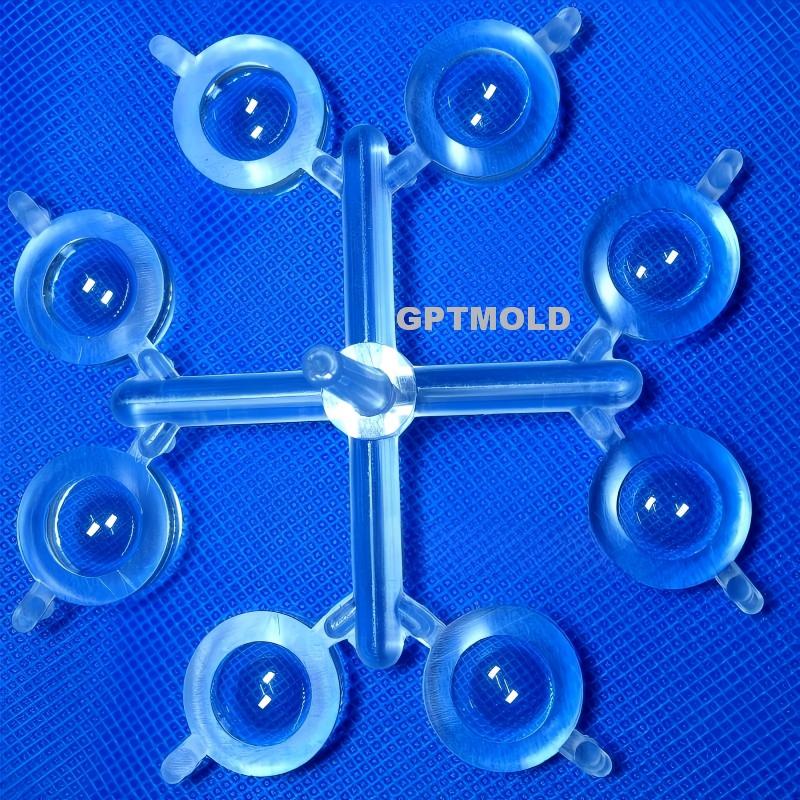
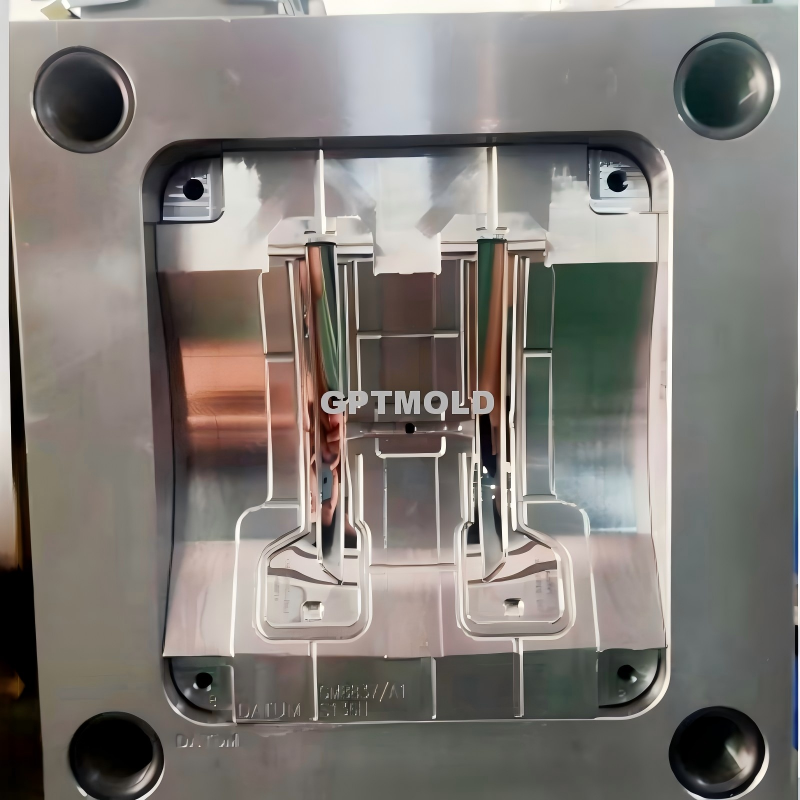
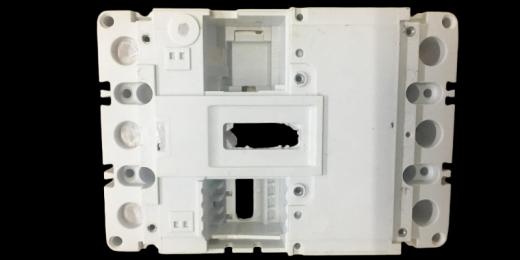
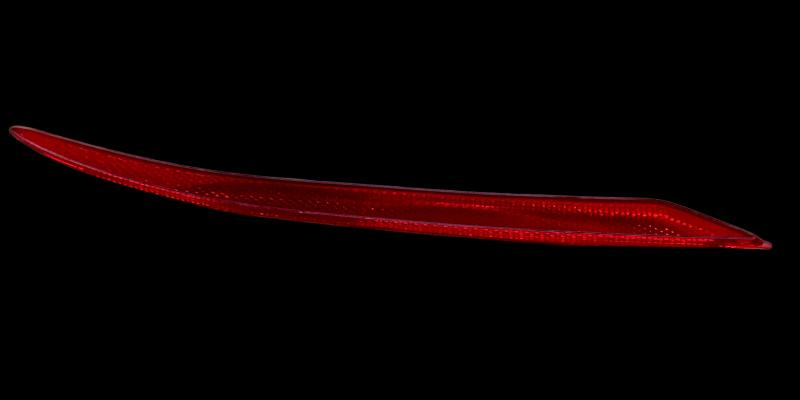
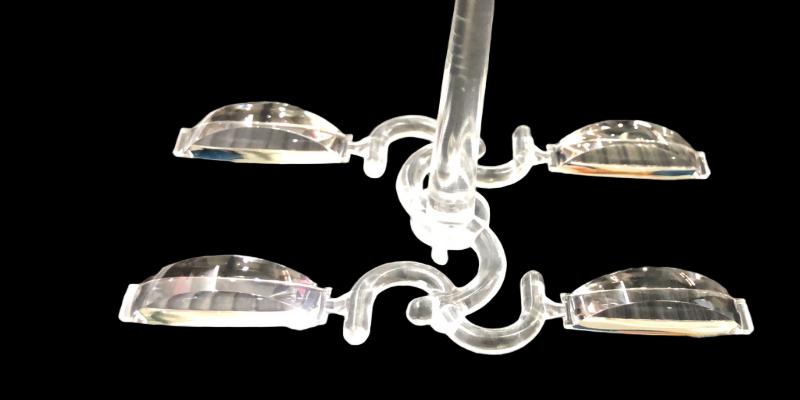
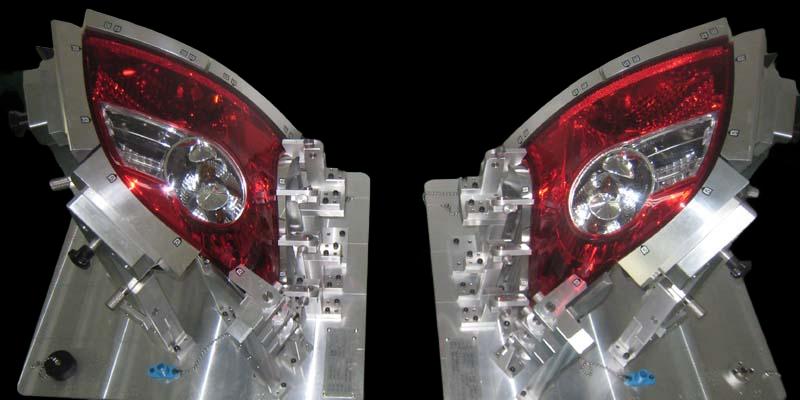
Explore optical mold examples and project guidance for lenses, light guides, reflectors and other transparent components. A useful tooling enquiry connects the optical function of the finished part with its geometry, selected resin and production requirements. Share those details with GPTMOLD to discuss the scope of a complete mold, the trial requirements and the evidence needed for approval.

A complete optical mold brief links the light-facing surfaces with the part’s fit, resin and production needs. Identify which requirements are fixed and which need engineering review before choosing the tooling approach.

Discutez de Votre Projet

Define the optical function and tooling requirements

Optical geometry and assembly

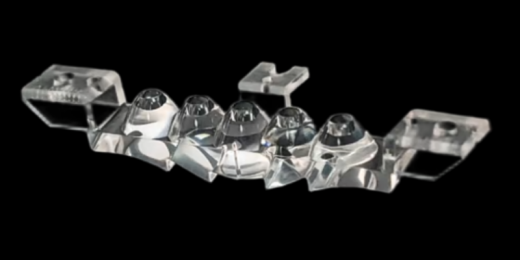
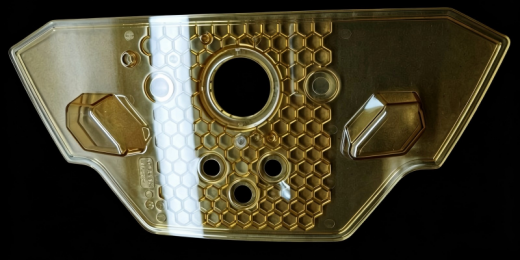
Identify the surfaces that transmit or direct light, the assembly datums and the dimensions that affect fit. For a lens, include the required surface form and optical test criteria. For a light guide, identify the functional features and how light distribution will be evaluated. For a transparent cover, describe the visible areas, viewing conditions and permitted appearance defects.
Surface and process decisions

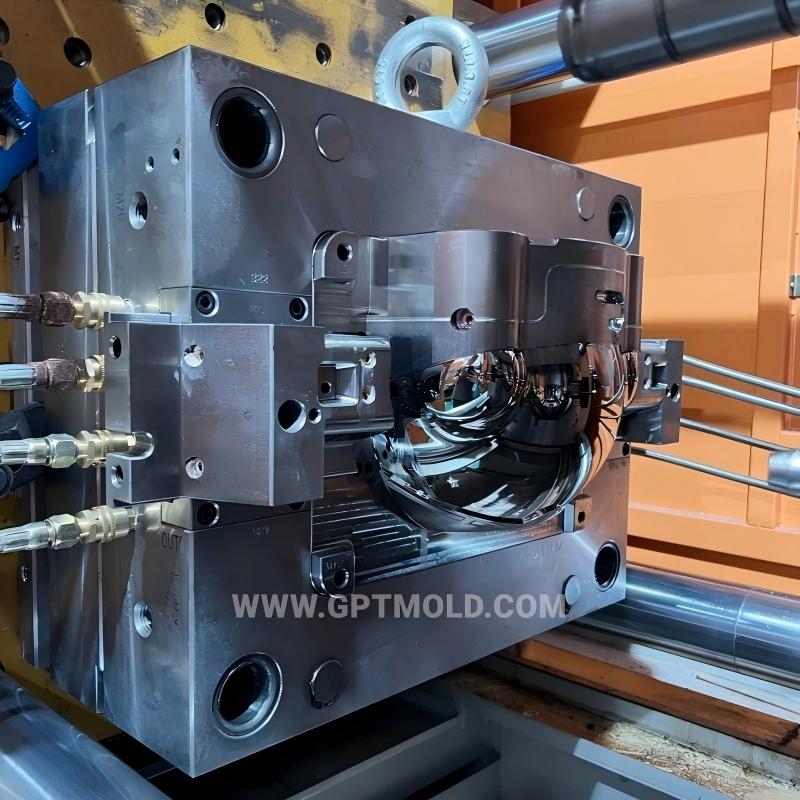
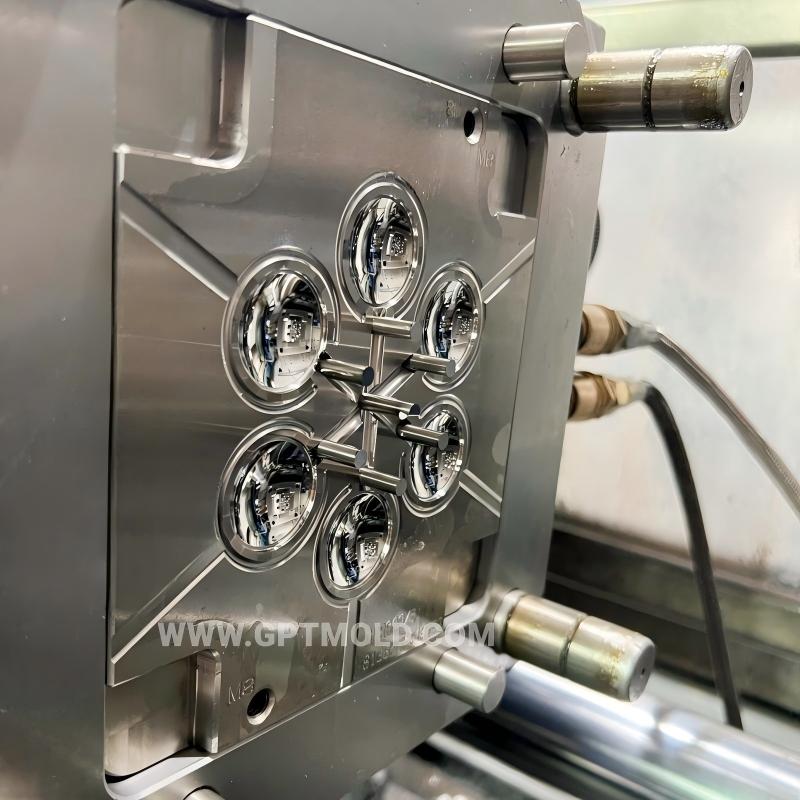
Review gate position, parting lines, la ventilation, cooling and ejection alongside these requirements. Specify where marks are acceptable and flag areas that need particular attention. Resin choice, wall thickness and trial conditions belong in the same discussion as the tooling geometry.

Trial and approval

Define the trial resin, sample quantity and dimensional and optical acceptance criteria together. The mold validation guide can help structure the evidence required for approval and the review of any open issues. Record which results must be accepted before the next project stage.

Articles de catégorie publiés

Explorer les enregistrements existants ci-dessous, puis utiliser vos exigences actuelles de pièce pour discuter du projet suivant.

Ce qu'il faut inclure dans votre demande

  • Current 3D part data and dimensioned drawings, with revision identifiers and critical tolerances.
  • Grade de résine, expected volume, cavity requirements and any specified molding machine interface.
  • Optical surface specifications, appearance criteria and required inspection methods or reference samples.
  • Tooling standards, material requirements, target timing, delivery destination and requested documentation.
  • Whether the enquiry includes trial samples, inspection fixtures or subsequent molding work.

Planification de la révision et de l'acceptation

Begin with a DFM review to identify drawing questions and tooling risks. Discuss whether Mold Flow Analysis is needed for filling, venting or cooling decisions. Then agree the design revision, portée de la fabrication, inspection plan and responsibilities before manufacture.

Outillage associé & Ingénierie

  • Informations de contact

    Email: sales@gptmold.com

    Heures de travail: Lun – Sam, 8:00 AM – 6:00 PM (GMT+8)

  • Confiance & Conformité