


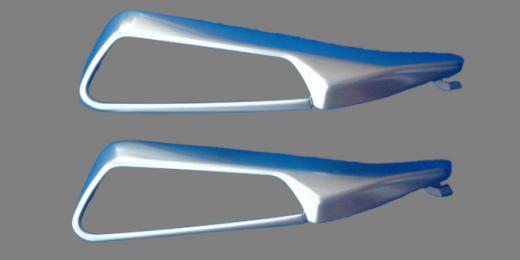
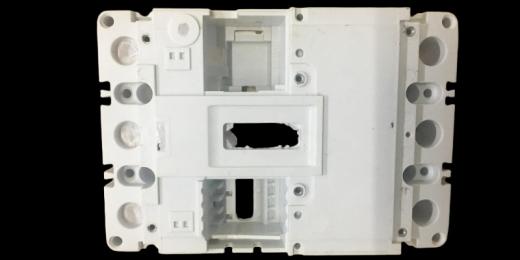
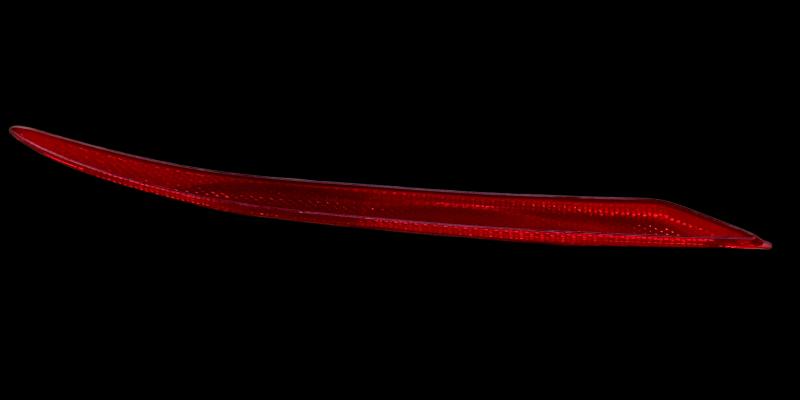
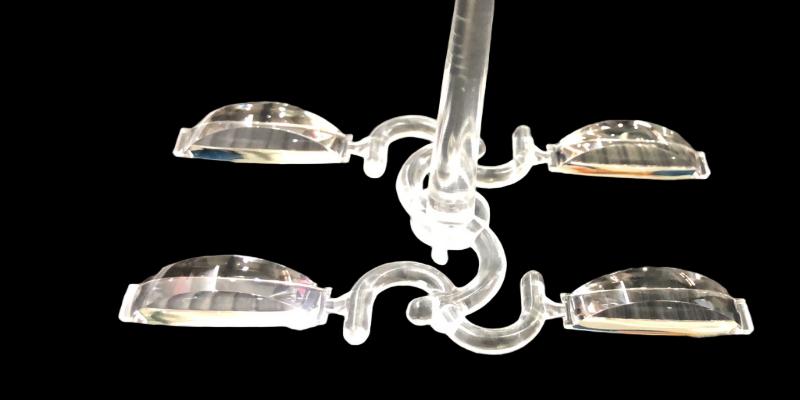

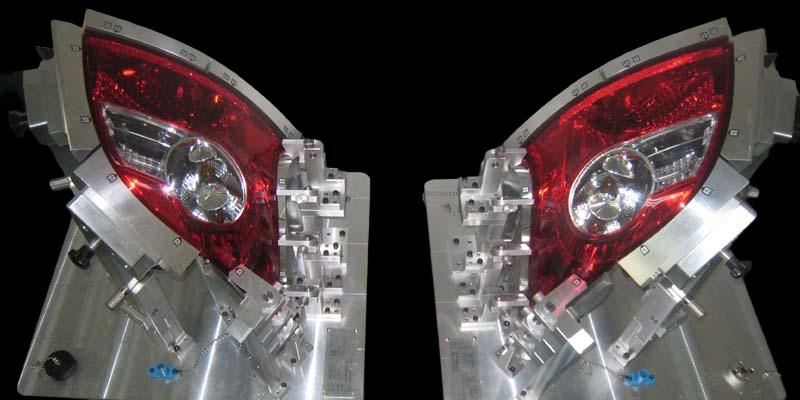
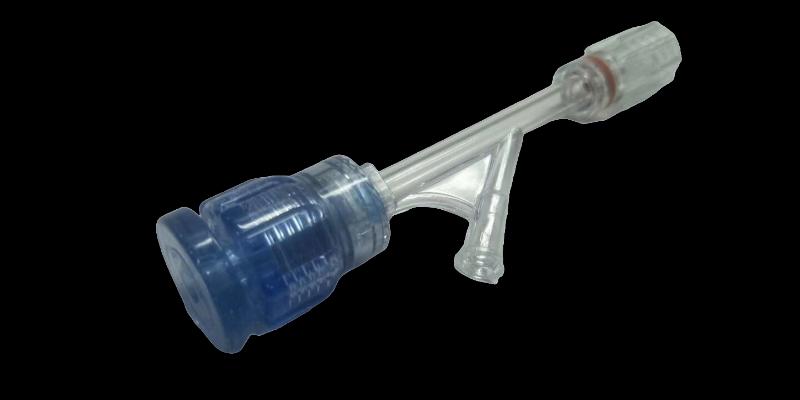
Technical Guide: Transparente & Transparent Plastic Injection Molding
Manufacturing transparent parts is considered one of the most challenging disciplines in the molding industry. It requires extreme precision, pristine environmental control, and mastery of material properties, as any minor defect is magnified in a clear component.
1. Tooling Technical Essentials
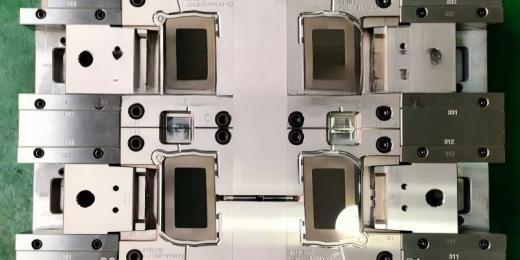
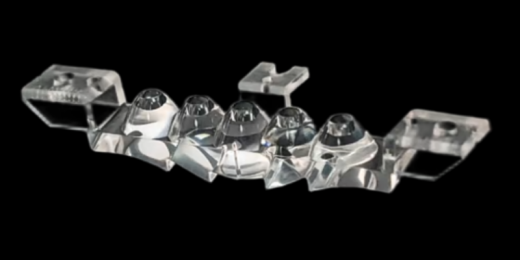
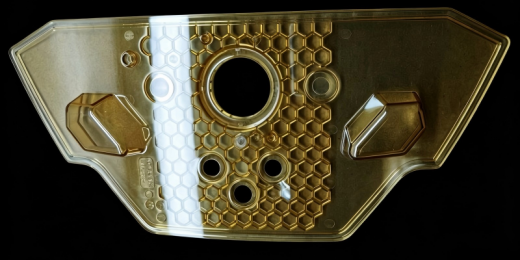
The core of a transparent part is its optical clarity, which depends entirely on the mold’s surface and structural integrity.
-
Steel Selection: Only high-purity, high-hardness stainless steels with excellent polishing properties are used, such as Assab S136, 420SS, o NAK80. These steels minimize impurities that could cause “pitting” or surface clouds.
-
Surface Finish (Polishing): Molds must undergo rigorous Pulido espejo to achieve SPI A1 standards. Este proceso se realiza manualmente por técnicos expertos para garantizar una superficie libre de ondulaciones, arañazos, o texturas.
-
Estrategia de ventilación: Para evitar “estrías plateadas” o atrapamiento de gas, el molde debe tener un sistema de ventilación sofisticado. Los respiraderos se diseñan típicamente a una profundidad de 0.01mm a 0,02 mm para permitir que el gas escape sin crear rebabas.
-
Ángulos de inclinación: Las resinas transparentes (especialmente PC/PMMA) son frágiles y tienen un alto coeficiente de fricción. Diseñamos ángulos de inclinación mayores (típicamente >1.5°) para prevenir marcas en la superficie durante la expulsión.
2. Material & Requisitos del proceso
Resinas comunes incluyen PMMA (Acrílico), PC (Policarbonato), y PET. Su procesamiento requiere pureza absoluta.
-
Calidad impecable de la resina: Solo 100% material virgen se utiliza. Cualquier contenido reciclado o contaminación resultará en rechazo inmediato debido a puntos negros o menor transparencia.
-
Deshumidificación estricta: Las resinas transparentes son altamente higroscópicas. PC and PMMA must be dried at 100°C–120°C for at least 4 hours uso de un secador desecante. No hacerlo conduce a rayas plateadas o burbujas internas.
-
Control Preciso de la Temperatura:
-
Temperatura del Molde: Especializado Controladores de Temperatura de Molde son esenciales (PC a menudo requiere 80°C–120°C) para reducir el estrés interno y mejorar el brillo de la superficie.
-
Temperatura de Fusión: Debe ser monitoreada estrictamente para prevenir el amarillamiento (degradación térmica) o “no fundido” partículas (tacos fríos).
-
3. Precauciones Clave para Herramientas & Producción
A. Durante la Fase de Herramientas
-
Enfriamiento Uniforme: Los canales de enfriamiento deben colocarse estratégicamente para asegurar una disipación de calor uniforme. El enfriamiento desigual en piezas transparentes de paredes gruesas conduce a marcas de hundimiento o vacíos por succión.
-
Puerta & Diseño del Canal de Inyección: Utilizamos pozos para tacos fríos para atrapar el inicial “plástico” frío antes de que entre en la cavidad, previniendo marcas de flujo o turbidez.
B. Durante la Fase de Producción
-
Ambiente de Sala Limpia: Las piezas ópticas de alta gama se producen idealmente en una Clase 10,000 Sala limpia para prevenir que el polvo en el aire contamine la superficie del molde.
-
Maquinaria especializada: Usamos tornillos dedicados con bajas relaciones de compresión para materiales transparentes para minimizar el calor por cizallamiento y prevenir la decoloración del material.
-
Recocido (Post-procesamiento): Para lentes de paredes gruesas, realizamos recocido después del moldeo para eliminar el estrés interno residual, lo que previene que la pieza se agriete (opalescencia) con el tiempo.
💡 Resumen profesional para GPT PRECISION
“En GPT PRECISION, cerramos la brecha entre el diseño óptico complejo y la producción masiva impecable. Combinando Acero para espejos S136, pulido SPI A1, y Moldeo en sala limpia certificada ISO, entregamos componentes transparentes con claridad inigualable e integridad superficial sin defectos.”
| Categoría de características | Normas técnicas / Requisitos |
|---|---|
| Base de molde & Acero | Base estándar LKM; Insertos: Assab S136 (HRC 48-54), NAK80, o 420SS. |
| Surface Finish | Pulido Espejo SPI A-1 (Estándar); Ra < 0.0125 µm. |
| Tolerancia de precisión | Defectos relacionados con la: ±0,005 mm; Perfiles Ópticos Críticos: ±0.002mm. |
| Resin Compatibility | PMMA (Acrílico), PC (Policarbonato), PET, PS, y Copolímeros de Grado Óptico. |
| Ángulo de Desmoldeo | Mín. 1.5° – 3° (Optimizado para eyección sin rayones). |
| Sistema de Enfriamiento | Enfriamiento conformal o equilibrado de alta eficiencia para distribución térmica uniforme. |
| Entorno de Producción | Clase 10,000 Moldeo por Inyección en Sala Limpia para contaminación cero de polvo. |
| Validación de Calidad | Inspección CMM, Proyector Óptico, Análisis DFM, y Simulación de Flujo de Molde. |
Desarrollando un PC transparente, PMMA o componente de grado óptico? Solicitar una revisión de molde transparente con los datos de su pieza y los requisitos de apariencia.