

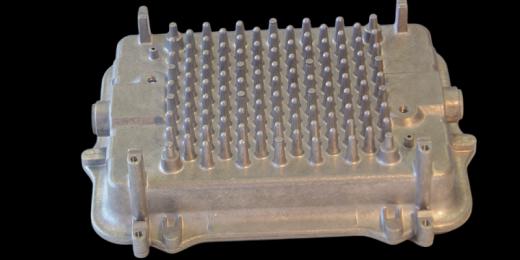
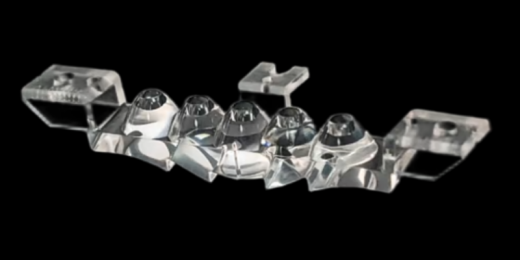
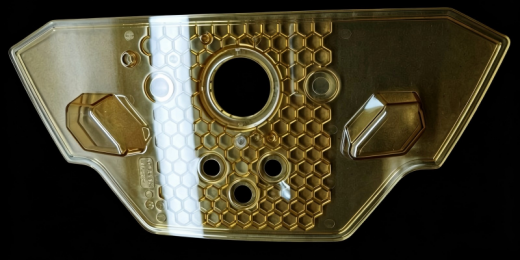
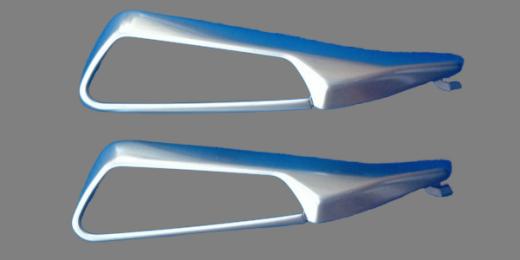
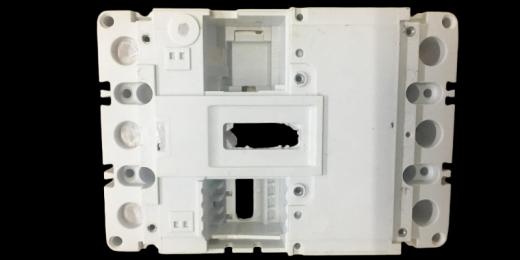
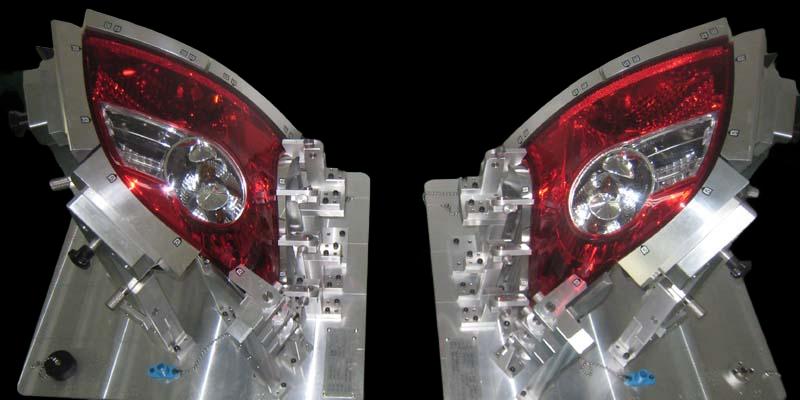
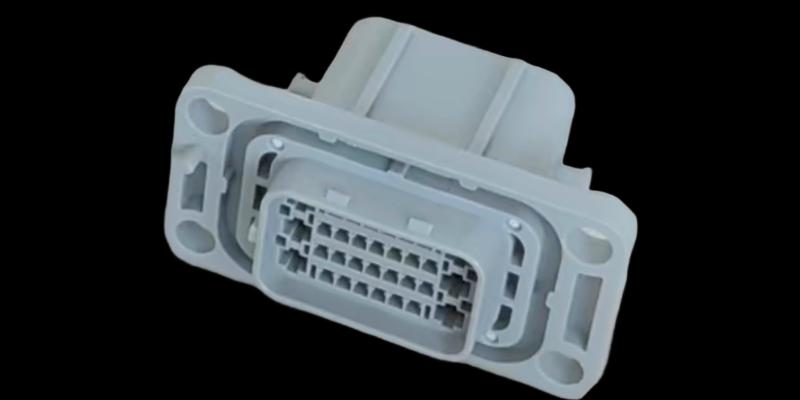
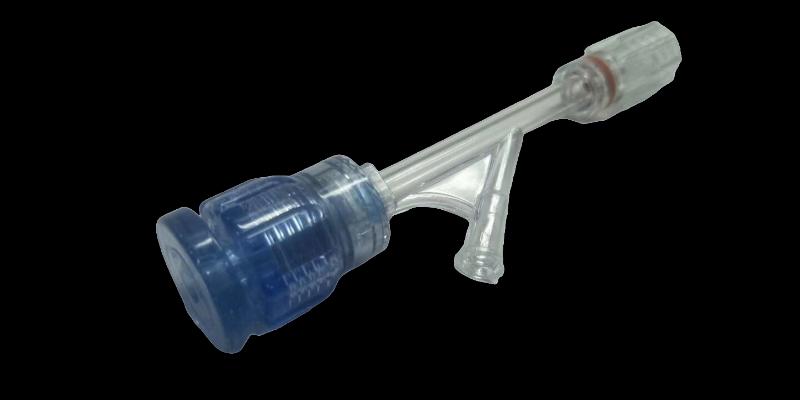
Diese technische Studie überprüft archivierte Füllanalyse-Folien für linke- und rechte hintere Gehäusekomponenten. Sie konzentriert sich auf die Berichts'Schweißnaht- und Endlochbelüftungsbeobachtungen, mit vorgeschlagenen Werkzeugüberprüfungs-Punkten anstelle einer Produktions-Ergebnisbehauptung.
Festlegen der gemeinsamen Studienbedingungen
Das Archiv gibt ABS PA-765A an, eine Formtemperatur von 50°C und eine Schmelzetemperatur von 250°C. Dies sind aufgezeichnete Simulationsbedingungen. Ihre Relevanz für ein neues Projekt hängt von der tatsächlichen Harzspezifikation, Teilüberarbeitung, Formanordnung und beabsichtigtem Verarbeitungsfenster.
Links- und rechte Beschriftungen machen einen kontrollierten Vergleich besonders wichtig. Die Überprüfung sollte zunächst feststellen, welche Geometrie zu jedem Bericht gehört und wie das Tor vertreten ist, Lauf- und Formreferenzen sind dargestellt. Sie sollte dann bestätigen, dass die zu vergleichenden Diagramme aus der beabsichtigten Studienüberarbeitung stammen.
Diese Vorbereitung gibt einer technischen Diskussion einen verlässlichen Ausgangspunkt. Ein visuell ähnliches Diagramm reicht nicht aus, Materialdaten oder Analyseaufbau haben sich zwischen den Läufen geändert.
Verbinden Sie eine Schweißlinienvorhersage mit einer Bauteilanforderung
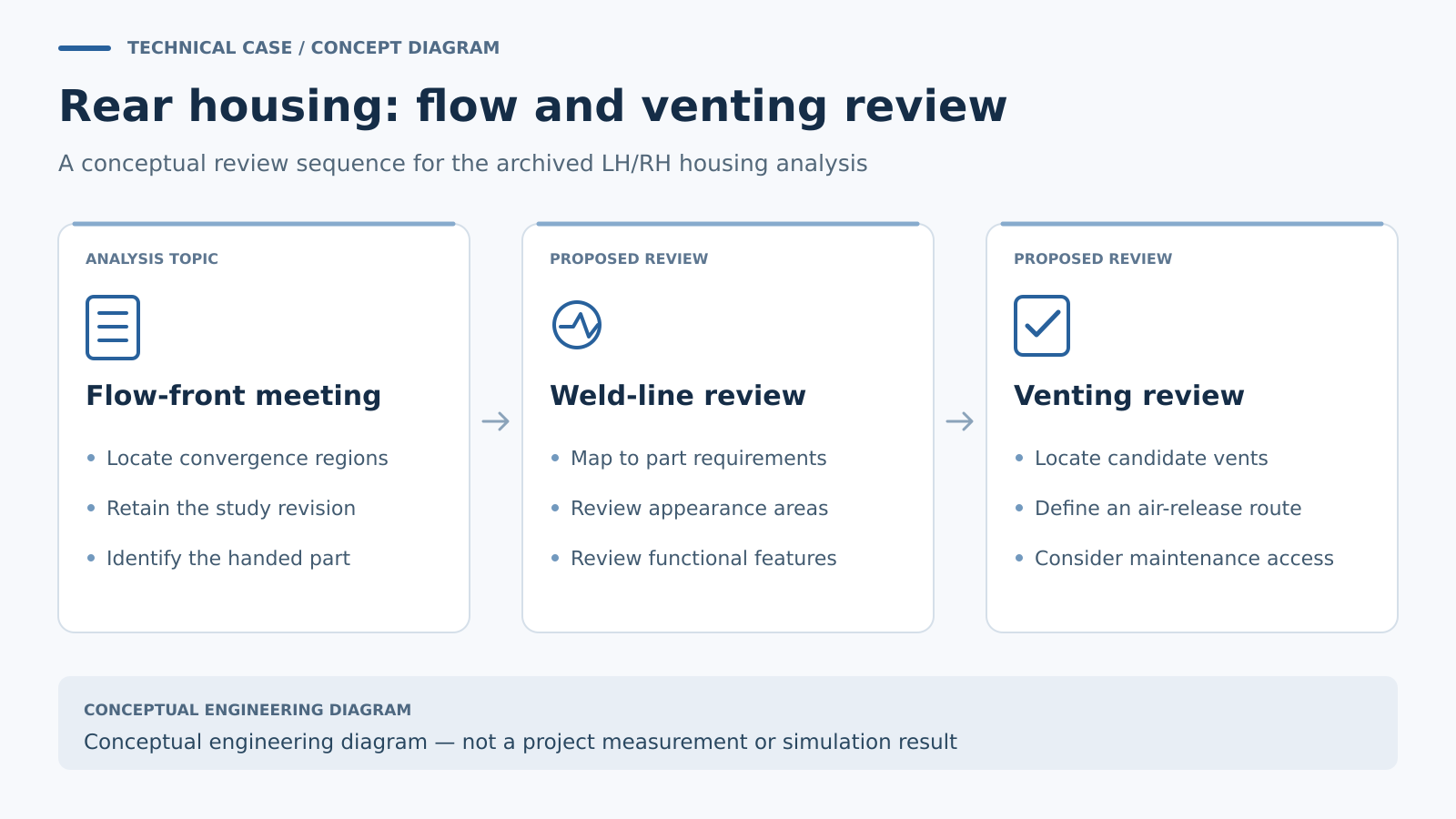
Der archivierte Bericht hebt die Schweißlinienpositionen hervor und empfiehlt die Aufmerksamkeit der Entlüftung. To turn that observation into a tooling decision, the next step would be to place each predicted convergence region on the current part drawing.
A reviewer can then ask whether the location intersects a specified appearance area, assembly feature or load-bearing region. The answer should come from the part requirements. The archive does not establish that a visible line caused a field failure or that any particular feature had a structural problem.
As general analysis guidance, Autodesk recommends reviewing how flow fronts converge and considering weld-line position together with processing conditions. Gate or thickness changes can move a convergence location, but any proposed change also needs to respect the part's functional constraints. Technischer Hinweis: Autodesk weld-line troubleshooting.
Turn end-of-flow observations into a vent review
A predicted late-filling region needs a practical discussion of where air can leave the cavity. For the rear housing, the report's recommendation provides the reason to inspect the relevant edge and tooling surfaces in the mold design.
The vent proposal should identify the actual cavity location, available route to atmosphere and how that route can be maintained. Any vent dimensions must be chosen for the resin and tool conditions; a generic depth copied from another project would be an incomplete design basis.
It is also worth distinguishing an air-trap indication from a fully defined venting analysis. If a detailed air-pressure result is required, the analysis setup needs to represent the intended vent conditions. Autodesk describes using vent-region pressure together with air-trap results when evaluating possible vent locations. Technischer Hinweis: vent-region pressure.
Carry a location-based plan into the trial
A useful trial plan would preserve the same location references used in the simulation review. It could compare the observed fill progression and surface condition with the selected report, while recording the machine settings and material preparation for each sample set.
For paired parts, the samples and records should remain identifiable as left-hand or right-hand throughout that comparison. Any proposed tooling change should then be linked to an observed issue, a specific location and an agreed verification step.
The technical value of this archive is the connection between a filling observation and an inspectable tool-design question. It supports a focused review before decisions are made about gates, vents or trial conditions.
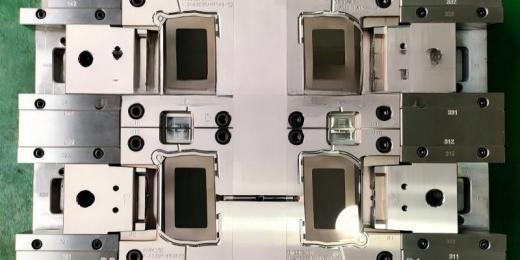
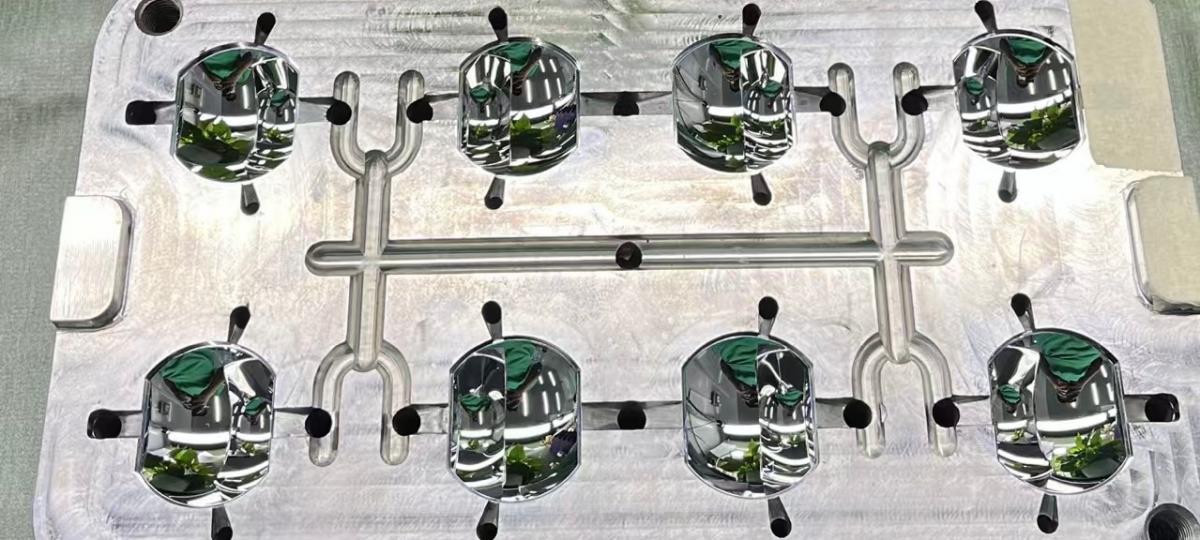
Discuss a paired-housing mold
Include both part models, Harztyp, marked appearance and functional areas, and the intended molding arrangement in your inquiry. Kontaktieren Sie GPTMOLD to discuss the review scope, or see the mold-flow analysis overview.