




Optical tooling & precision inserts
Optical Lens Molds & Precision Inserts
Discuss optical mold inserts and complete tooling with GPTMOLD by sharing the part geometry, mold interface and optical requirements. The quotation should define the deliverables, manufacturing scope, inspection records and delivery schedule for the agreed project.
Start with an optical tooling DFM review: provide 2D drawings or 3D data, resin grade, critical dimensions, surface specifications, expected volume and target timing.
Tooling Requirements
Optical Surface Requirements
Define the required surface form, finish and measurement method on the drawing. Machining and finishing routes, achievable tolerances and inspection arrangements should be agreed after a review of the geometry and material.
Optical Grade Steel Selection
Specify the required steel grade, material certification, resin compatibility and expected production volume. Material selection and surface treatment are subject to the agreed tooling specification.
Complex Geometry Control
For projects involving Aspheric Lenses, Light Guides, and LED Reflectors, define the optical surfaces, datums, profile tolerances and functional acceptance criteria before tooling approval.
Thermal Process Review
Review wall thickness, gating, cooling and trial conditions for transparent parts. Any special heating or cooling process should be confirmed for the project rather than assumed to remove all visible defects.
Customer Concerns & Engineering Review
Visual Defects (Weld lines, Bubbles, Sink marks)
Agree the viewing conditions and acceptable limits for visible defects in transparent parts.
Review whether Mold Flow Analysis is needed to evaluate gate positioning, venting and cooling risks. Confirm recommendations through the agreed mold trial and inspection plan.
Optical Distortion & Birefringence
Internal stresses can distort light as it passes through the part.
Define the permitted optical distortion and birefringence, where relevant, and agree the test method and trial conditions. Process settings should be evaluated against those criteria.
Surface Clarity & “Haze”
Specify the required clarity, permitted haze and inspection conditions for the selected resin.
Agree the required cavity finish, cleanliness controls and handling conditions. A named finish grade or controlled environment should be included only when it is part of the confirmed project specification.
Yellowing & Material Degradation
High temperatures can damage optical resins (PC/PMMA).
Review the resin supplier’s drying and processing guidance, residence time and temperature window. Confirm machine and trial requirements for the selected resin.
Manufacturing & Acceptance Planning
Surface Finishing Review
Agree the required surface finish and inspection method for automotive lighting and camera lens tooling before selecting the finishing route.
Manufacturing Route
Confirm the machining, finishing and assembly route against the approved drawings. Equipment selection and achievable tolerances should be reviewed for the individual geometry.
Optical Inspection Fixtures
Agree the datums, inspection fixtures, sample quantity and responsibility for dimensional and optical tests. Specify which records are required for acceptance.
Project Scope
Confirm whether the quotation covers an optical insert, a complete mold, trial samples or additional production work. Agree the documentation, delivery conditions and acceptance milestones before placing an order.
Application Requirements
Automotive Lighting
For headlamp lenses, light guides and multi-color (2K) tail lamp covers, review cavity layout, resin, wall thickness and optical acceptance requirements.
Consumer Electronics
For transparent window covers and VR/AR lens projects, specify the optical geometry, viewing conditions and allowable distortion for engineering review.
Industrial & Medical
For transparent diagnostic housings and industrial LED lenses, define dimensional, optical and application-specific requirements. Any regulatory or validation requirements should be agreed separately.
Home Appliances
For clear control panels and similar components, specify appearance, scratch-resistance test requirements and resin compatibility rather than assuming these properties from the mold alone.
Agree the manufacture and acceptance plan
Before manufacture and acceptance: agree the drawing revision, material and finish, tooling interfaces, trial resin, sample quantity, dimensional and optical test methods, and the approval responsibilities. Review the quality assurance approach and send your project requirements to confirm the scope.
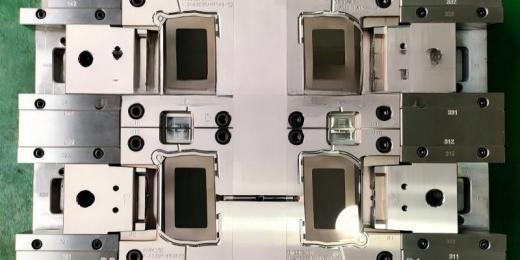
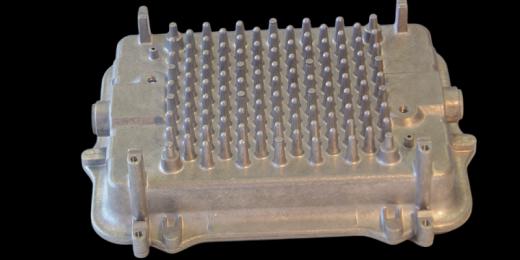
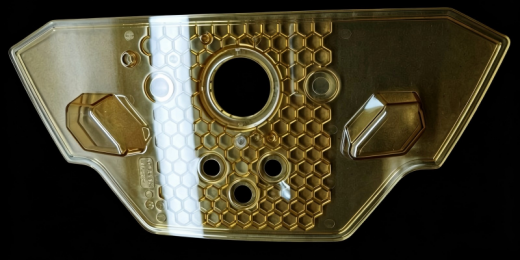
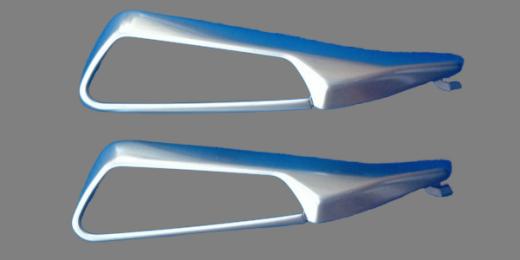
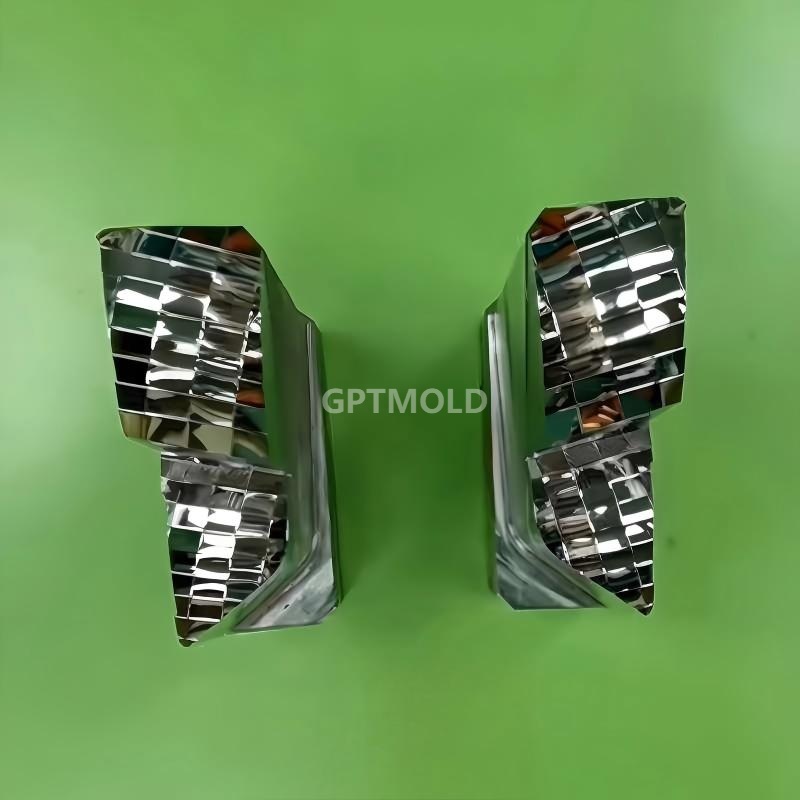
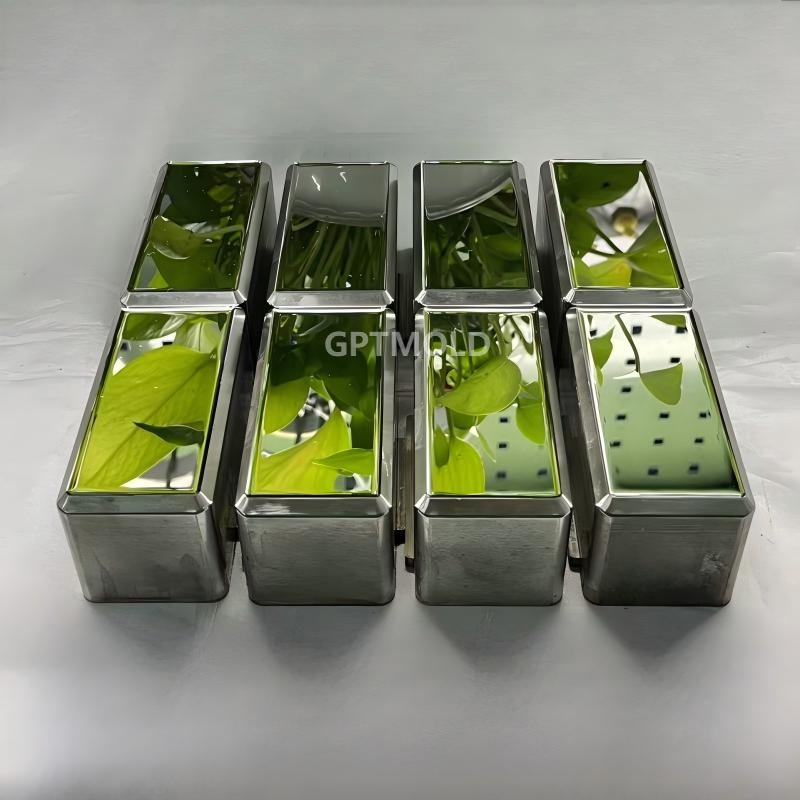
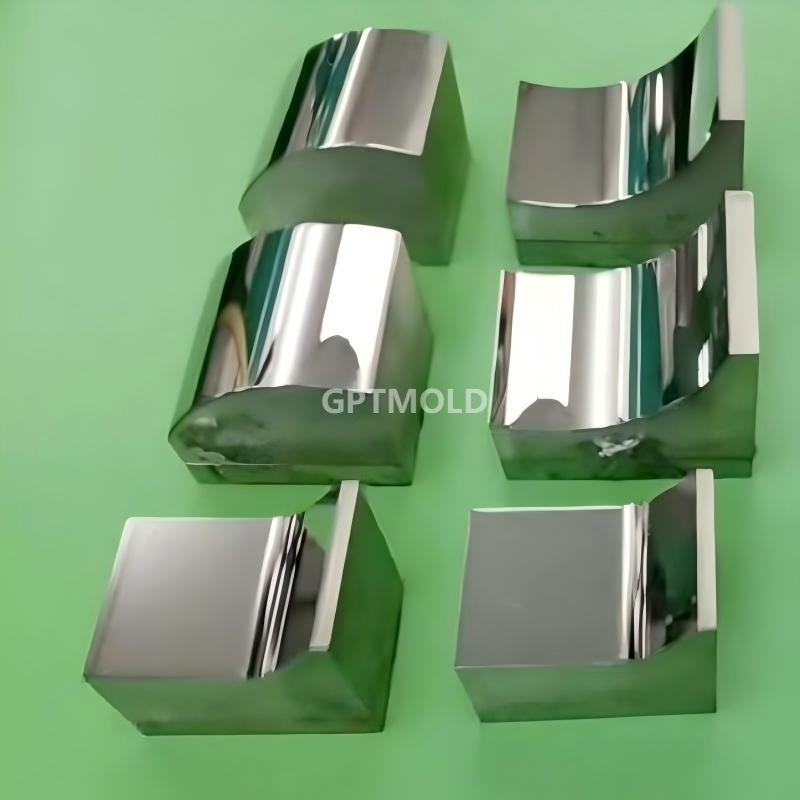
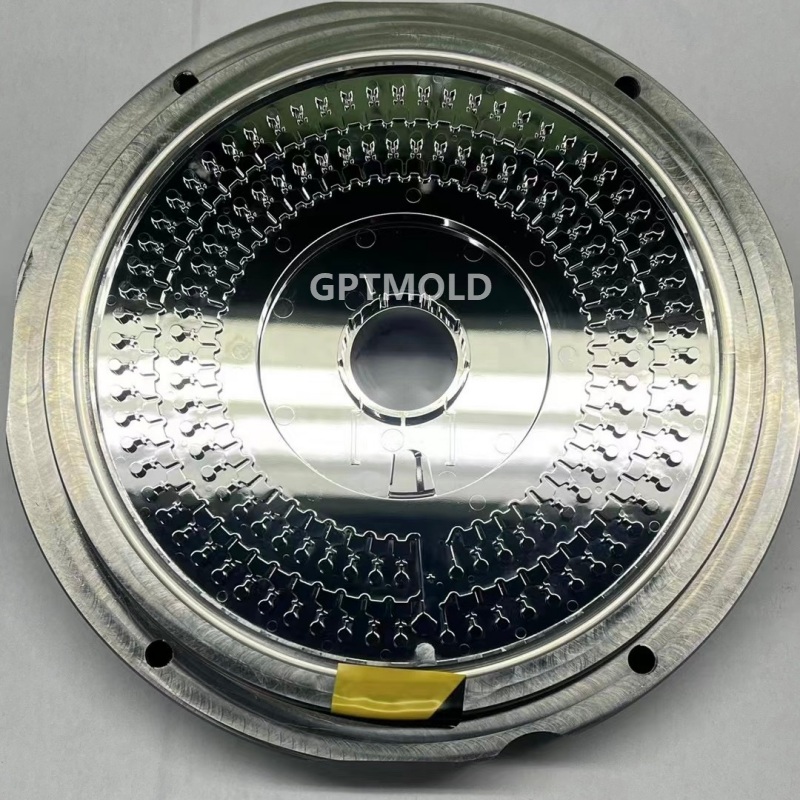
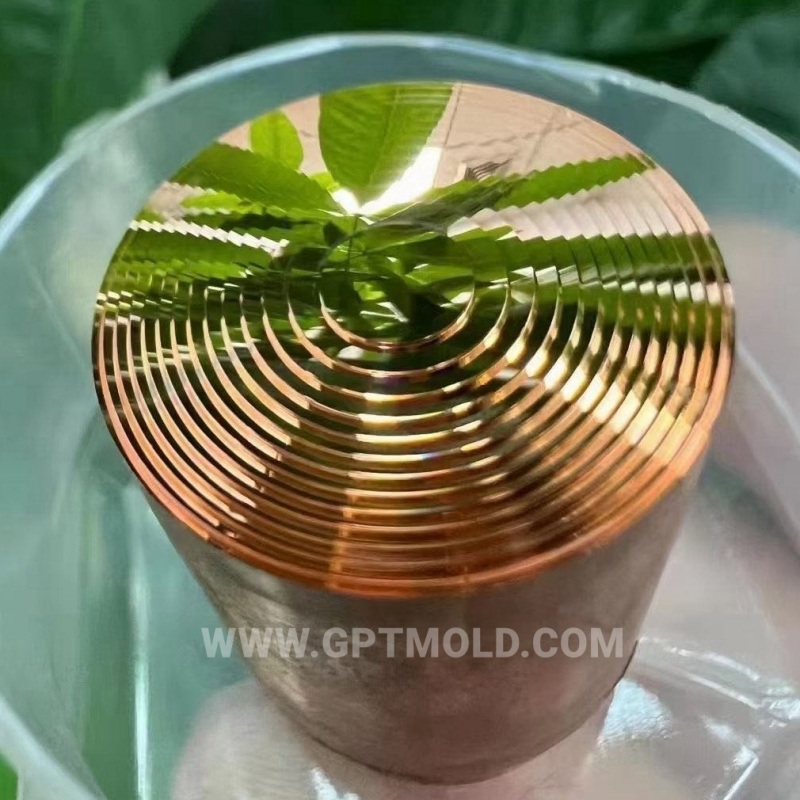
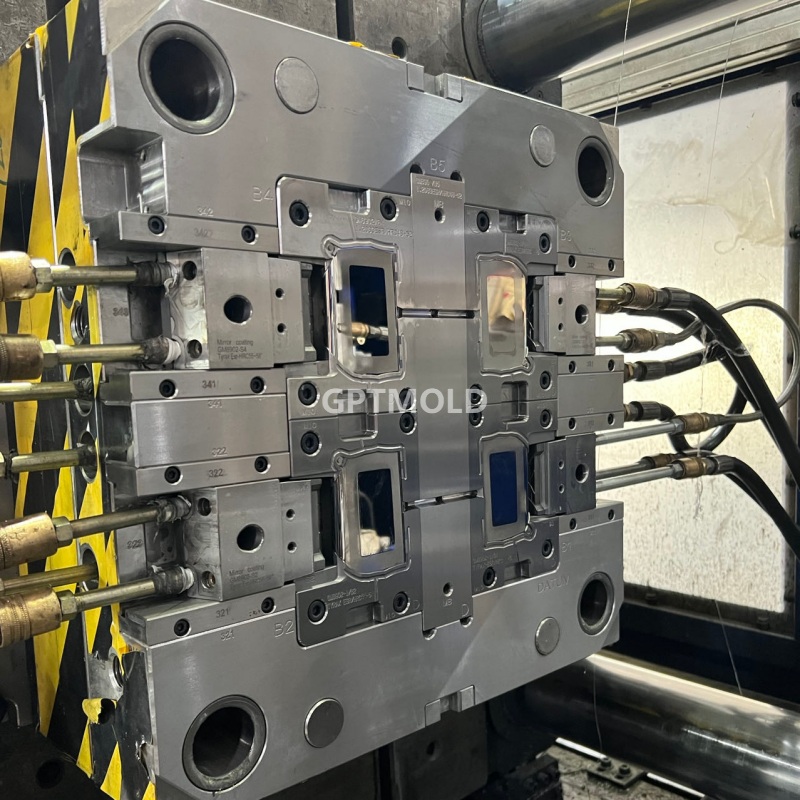
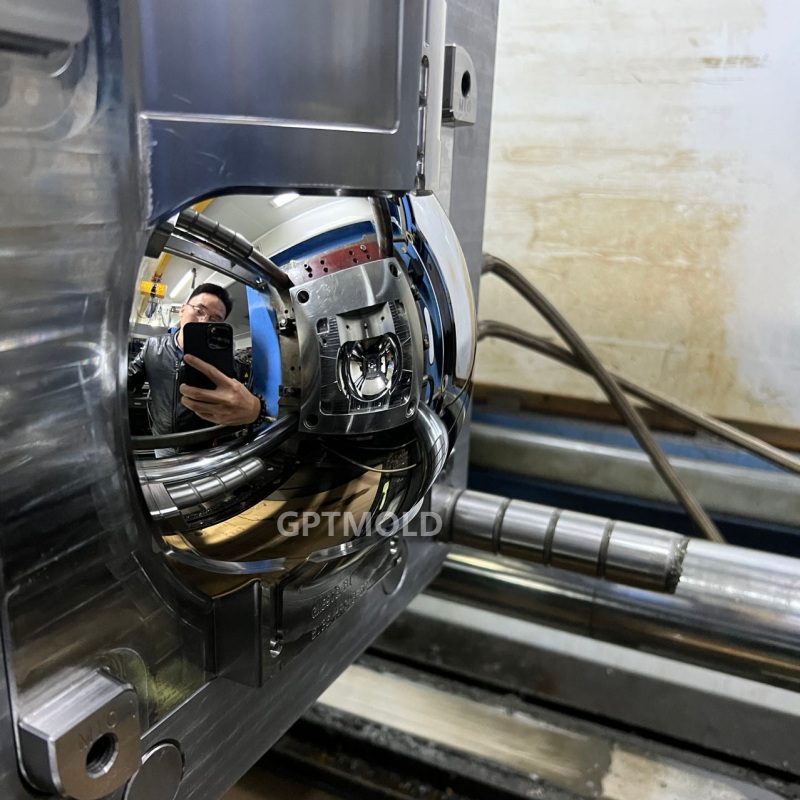
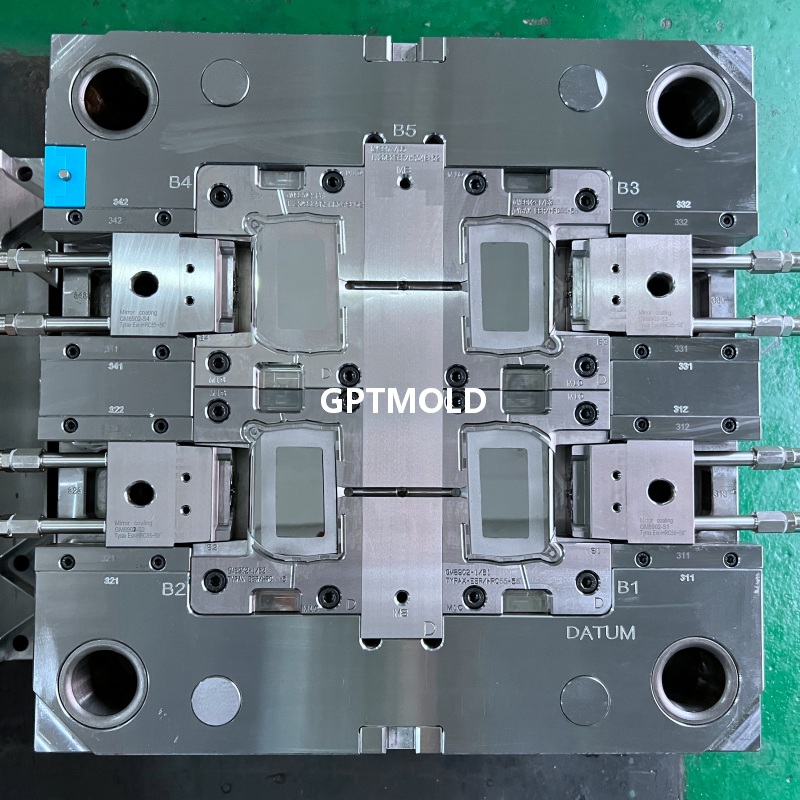
Optical Mold & Insert Gallery
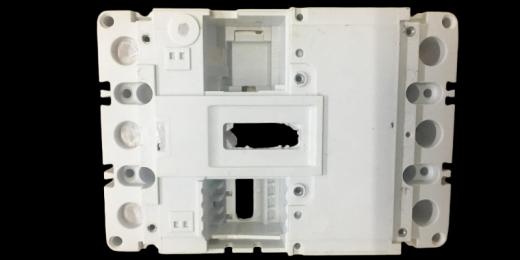
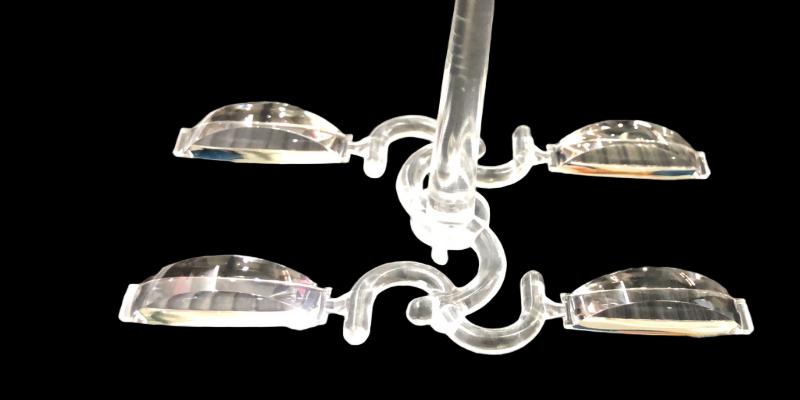
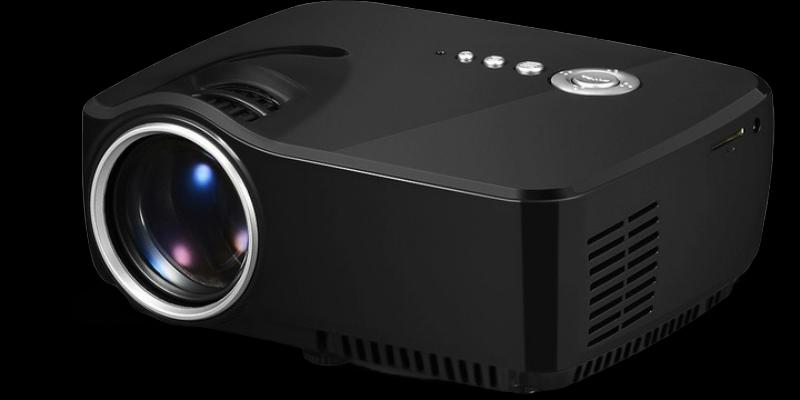
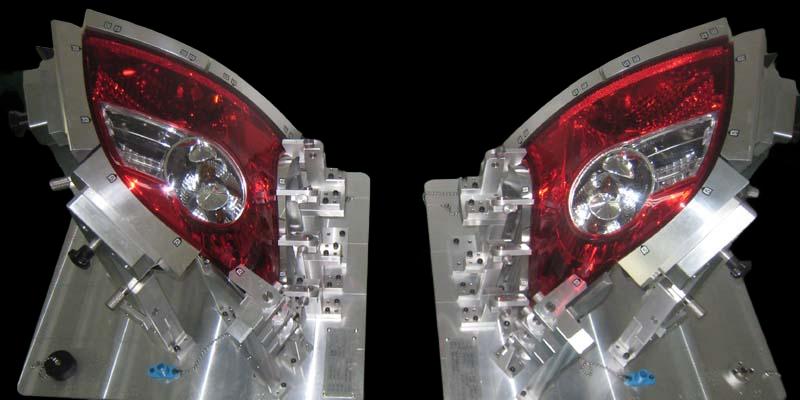
Published GPTMOLD tooling examples. Define the geometry, finish and inspection requirements for your own component during the project review.

Related Tooling & Engineering
Clear & Transparent Molds →
Define the resin, visible surfaces and appearance standard for transparent components.
Automotive Lighting →
Connect optical surfaces with lighting-part fit and assembly requirements.
Optical Components →
Review the molding scope and sample criteria for transparent plastic parts.
Related Reading
Use these guides to prepare the tooling brief and agree how the project will be reviewed.