



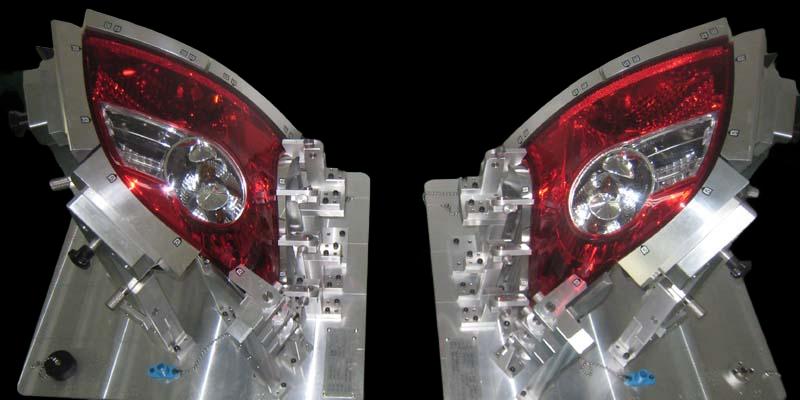
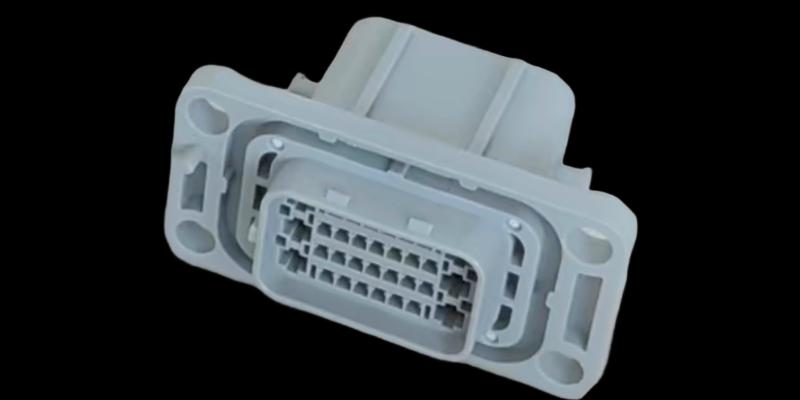
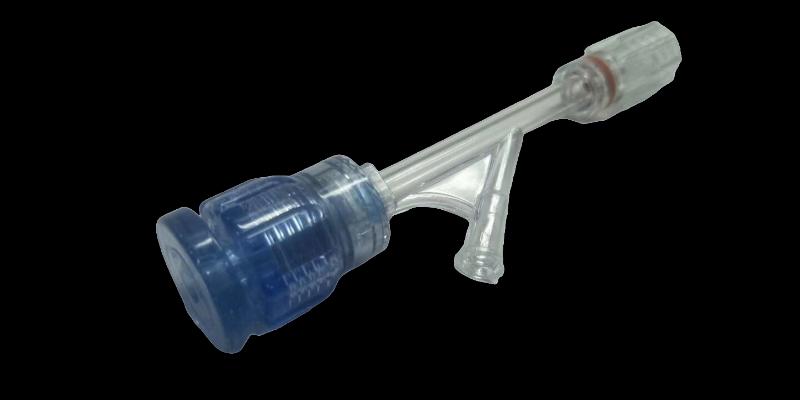
Dimensional checks
Identify critical features and the inspection method required to compare trial parts with the drawing.
Use trial parts and agreed inspection criteria to decide what is accepted, what changes and what needs another review.

The inspection plan should reflect the drawing, resin, appearance requirements and the sample conditions agreed for the project.
Identify critical features and the inspection method required to compare trial parts with the drawing.
Agree which surfaces and defects matter to function, assembly or appearance.
Where needed, check assembly, mating features and use-related characteristics.
Capture results, deviations, requested changes and the next approval decision.

Choose reports and sample evidence around the critical-to-quality features. A machine photo or a measurement alone does not establish acceptance.
For each issue, record the drawing revision, measured or observed condition, proposed action and customer response.
Keep the status of samples and changes clear across each review cycle.
Agree the intended sample quantity, material and review criteria.
Inspect the agreed features and share findings with the customer.
Document changes and retest items that affect acceptance.
Record approvals and the deliverables agreed for shipment or production transfer.
The required number of reviews depends on the result and the agreed acceptance criteria. Open issues may require another trial.
Confirm the sample status, drawing revision, required inspection evidence, remaining issues and handover items.