

Optical Mold Inserts

Home Optical Mold Inserts

Optical Mold Inserts

OPTICAL TOOLING COMPONENTS

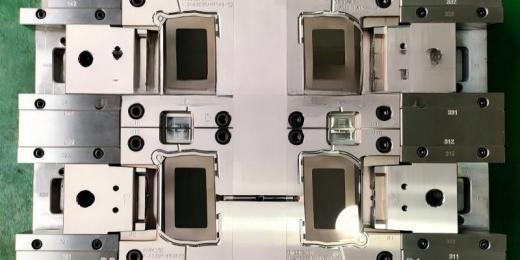
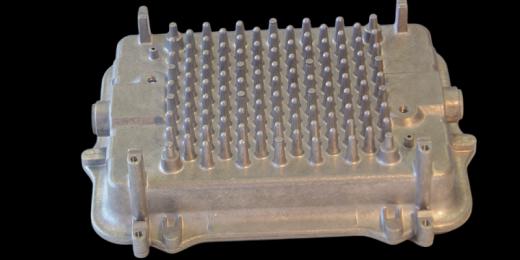
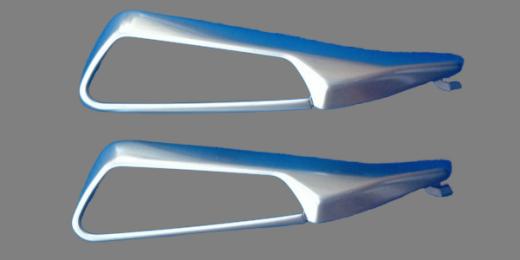
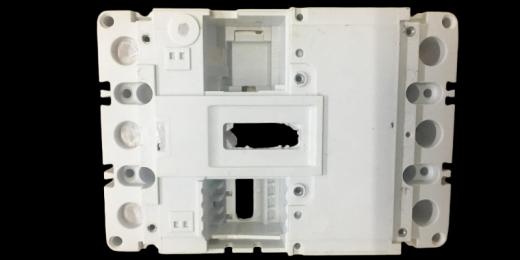
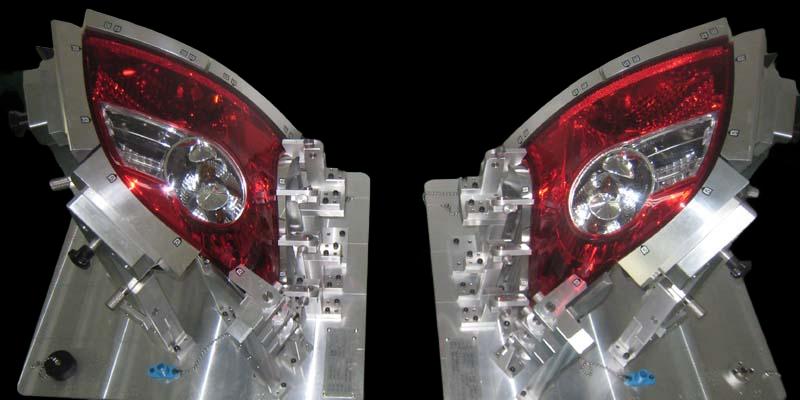
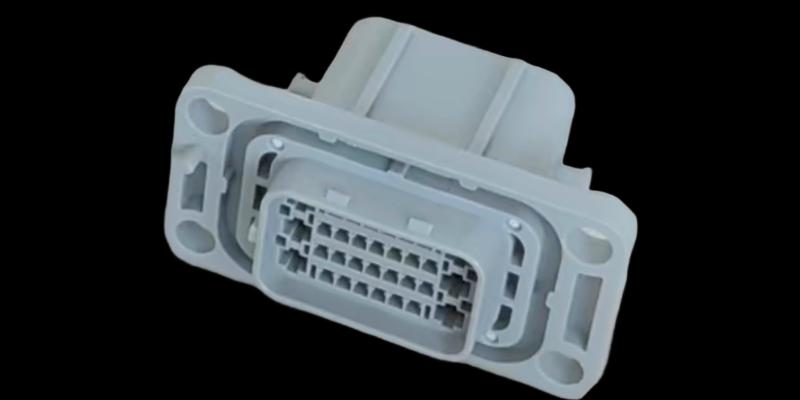
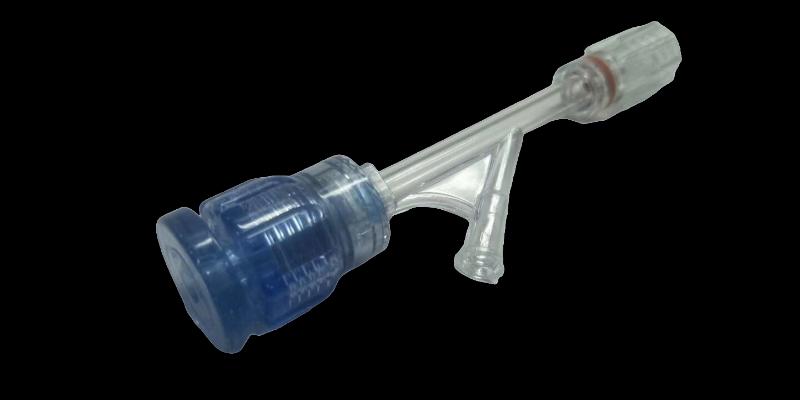
Optical insert enquiries can cover a core, cavity or smaller insert within an optical mold. Start by identifying the component, the surface it forms and its relationship to the surrounding tool. GPTMOLD's optical mold and insert overview brings together the surface, material and inspection questions to address before agreeing a manufacturing scope.

For a new insert, provide both the optical geometry and the tooling interface. For a replacement, include the existing drawing revision, mating-component information and the reason for replacement. Clearly identify any proposed changes so that the enquiry distinguishes a direct replacement from a design revision.

Discuss Your Project

Review optical surfaces and mechanical interfaces

Functional optical surface

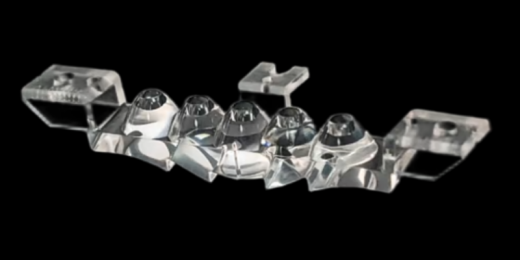
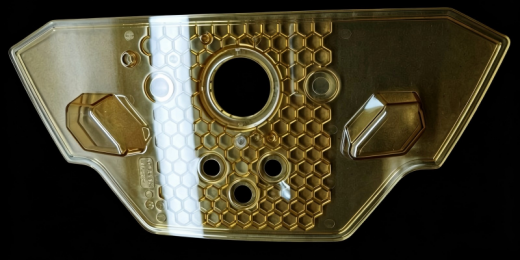
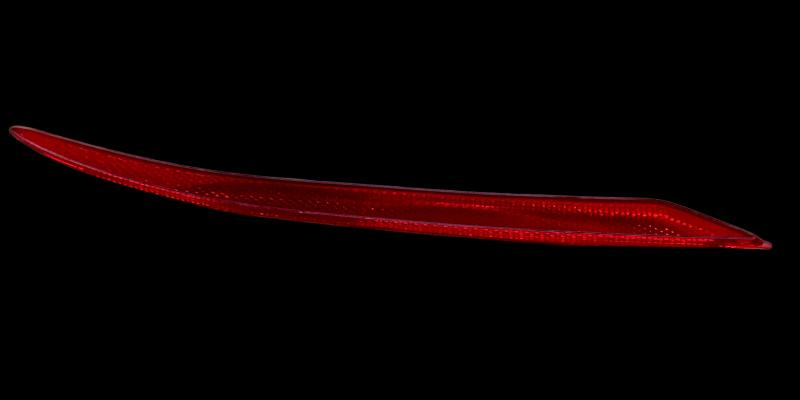
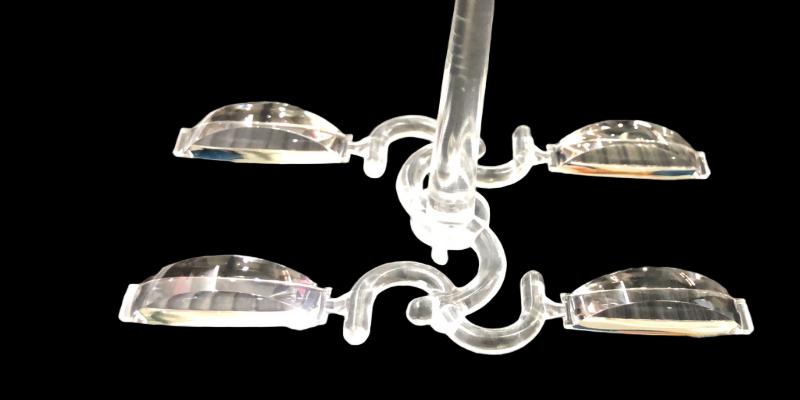
Define the functional surface form, finish and relevant profile tolerances on the drawing. Identify datums, edge details and any patterned features that require inspection. Lens, light-guide and reflector inserts may need different acceptance criteria; describe the optical function and specify how the finished surface will be assessed.


Fit within the mold

The surrounding mold also belongs in the review. Include seating faces, locating features, assembly orientation and applicable interface dimensions. Flag adjacent cooling or venting features and any restrictions on handling or assembly. Agree the material, machining and finishing route against the approved geometry rather than selecting a process from a generic description.

Drawing review and supply scope

Use an initial DFM discussion to resolve missing dimensions, surface requirements and interface questions. Agree the drawing revision and supply scope, including whether the work covers the insert alone or assembly and mold trials. Define inspection fixtures, sample quantities and responsibility for optical testing before manufacture.

What to include in your enquiry

  • 3D insert data, dimensioned drawings and the matching molded-part geometry, with current revisions.
  • Required quantity, steel or other specified material, certification requirements and any surface treatment.
  • Optical surface specifications, datums, dimensional tolerances and inspection methods.
  • Mold interface drawings, resin grade and relevant trial or production conditions.
  • Target timing, delivery requirements and the records needed for component acceptance.

Review and acceptance planning

At review, assess the agreed inspection records and any trial evidence against the approved specification. Record open points and the approval responsibilities before release. The quality assurance overview and mold validation guide offer related planning context.

Related Tooling & Engineering

  • Contact Info

    Email: sales@gptmold.com

    Working Hours: Mon – Sat, 8:00 AM – 6:00 PM (GMT+8)

  • Trust & Compliance